Patio Umbrella Sizing for Comfortable Shade
Share
A patio umbrella that stops at the edge of the table leaves guests chasing shade from seat to seat. One that is too large can crowd a compact deck, block a garden view, or feel awkwardly heavy over an intimate bistro set. Patio umbrella sizing is the detail that turns a sunny outdoor setup into a place people genuinely want to linger.
The goal is not simply to cover furniture. It is to create useful shade where people sit, eat, read, and gather, while leaving enough room for chairs to move and the patio to breathe. Start with the footprint of your furniture, then account for the sun, the umbrella shape, and the space surrounding it.
Start With the Area You Need to Shade
Measure the full usable footprint, not just the tabletop. For a dining set, pull chairs out as they would be when someone is seated. For a conversation set, include the outer edge of every chair, chaise, or sectional piece that should sit beneath the canopy.
A reliable rule for patio umbrella sizing is to choose a canopy that extends about 2 feet beyond the furniture on every side. That extra coverage matters most in the morning and late afternoon, when sunlight arrives at an angle rather than directly overhead. A canopy that only matches the table size may look proportionate from across the yard, but it will not offer much practical relief once the sun shifts.
For example, a 48-inch round dining table with chairs generally needs an umbrella around 9 feet wide. A 60-inch rectangular table often calls for an 11-foot umbrella, especially if it seats six. The size should support the experience of the space, not merely fill the center hole in the table.
Patio Umbrella Sizing by Furniture Type
Bistro tables and small balconies
A 6.5- to 7.5-foot umbrella is usually a comfortable fit for a small round table with two chairs. This scale keeps a petite patio or apartment balcony feeling open while still offering a sheltered place for morning coffee or a relaxed lunch.
If the umbrella sits beside the table rather than through its center, give yourself a little more coverage. An offset design can be especially useful where a central pole would interrupt legroom, but it needs a stable base and clear space for its cantilevered arm.
Four- to six-seat dining sets
For most standard 42- to 54-inch round or square tables, a 9-foot umbrella is the sweet spot. It has enough reach to cover seated guests and a serving area without visually overwhelming the arrangement.
An 8-foot canopy can work for a compact four-seat set, particularly in a protected courtyard or narrow patio. Still, if the table is used for long dinners, family meals, or entertaining, the added coverage of a 9-foot model is usually the better investment.
Rectangular dining tables
Rectangular tables benefit from rectangular umbrellas because the canopy follows the furniture’s footprint more efficiently. A 6-by-9-foot umbrella is often well suited to a table seating six, while an 8-by-10-foot or 9-by-11-foot canopy better serves a larger eight-seat table.
A round umbrella can still work over a rectangular table, especially if it is large enough. The trade-off is that it shades the ends less efficiently and may need a larger diameter to provide the same usable coverage. If clean lines and balanced proportions are part of the patio design, matching the umbrella shape to the table shape tends to create a more intentional result.
Lounge sets, sectionals, and poolside seating
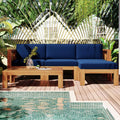
A 10- or 11-foot round umbrella works beautifully over a compact conversation set or two loungers placed side by side. For a deep outdoor sectional, a 10-by-10-foot square canopy or a large rectangular cantilever umbrella often provides more consistent coverage across the seating area.
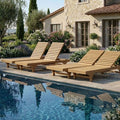
Poolside arrangements require a different kind of thinking. A single large offset umbrella can shade two loungers and a side table without placing a pole between them. For a broader pool deck, two smaller umbrellas may look more refined and give guests greater control over where they relax. One oversized canopy is not always the most graceful answer.
Choose a Shape That Fits the Layout
Round umbrellas are versatile, soft in appearance, and easy to place over round tables or casual lounge groupings. Square canopies create a more tailored look and use their corners to cover square tables, sectionals, and seating zones efficiently.
Rectangular umbrellas are the practical choice for elongated dining tables, outdoor kitchens, and rows of chaise lounges. They often provide generous shade without extending unnecessarily into walkways or planting beds. On a narrow deck, that precision can make the difference between a polished retreat and a cramped arrangement.
The canopy should complement the scale of nearby pieces, too. A slender bistro table under a massive square umbrella can feel top-heavy. Conversely, a substantial teak dining table deserves a canopy with enough presence to balance its material weight and generous proportions.
Leave Room for Movement and Clearance
Before choosing a size, look up and out. A standard patio umbrella needs clearance from rooflines, pergola beams, tree branches, string lights, and railings. Measure the available height with the umbrella open, not closed. Many open canopies reach 8 feet or more at their highest point, and the crank housing or tilt mechanism can add bulk near the top of the pole.
Around the perimeter, aim to preserve at least 2 to 3 feet of walking space beyond the canopy edge where possible. This is particularly valuable near sliding doors, grill zones, and main traffic paths. On a smaller patio, a tilting umbrella can give you shade flexibility without forcing you into a larger canopy.
Also consider how the umbrella opens. A market umbrella expands outward evenly, so it needs room above and around the table. A cantilever umbrella swings out from a side base and requires a dedicated footprint behind or beside the seating area. Measure that base area before falling in love with the floating-canopy look.
Do Not Underestimate the Base
A beautiful umbrella is only as secure as its base. The larger the canopy, the more wind resistance it creates. Table support helps stabilize a center-pole umbrella, but it does not replace a properly weighted base.
For smaller 6.5- to 7.5-foot umbrellas, a 35- to 50-pound base may be appropriate in calm, sheltered settings. Nine-foot models commonly need 50 to 75 pounds, while 10- and 11-foot umbrellas often call for 75 pounds or more. Large cantilever umbrellas generally require a much heavier base system, frequently made with fillable weights or interlocking plates.
Always follow the manufacturer’s recommendation, particularly in open yards, elevated decks, coastal areas, and places known for afternoon gusts. No base makes an umbrella safe to leave open during high wind. Close and secure the canopy when it is not in use, even on a bright day that appears calm.
Account for Sun Direction, Not Just Midday Shade
The sun at noon is rarely the sun that disrupts a weekend brunch or a late summer dinner. Watch where light falls across your patio at the times you use it most. If the glare arrives from the west in the evening, a tilt feature may provide more value than increasing the canopy diameter.
A center-pole umbrella is excellent for shade directly over a table. An offset umbrella offers more freedom when shade needs to shift across a seating area. Some homeowners find that a combination works best: a classic market umbrella for the dining table and a cantilevered canopy beside the lounge area.
Common Sizing Mistakes to Avoid
The most common mistake is sizing the umbrella to the tabletop and forgetting the chairs. The second is buying the biggest canopy that fits, then discovering it interferes with doors, railings, or a neighboring seating zone. The third is treating the base as an afterthought.
Color and fabric deserve consideration as well. Dark canopies can feel dramatic and grounding against pale stone or teak, while lighter fabrics brighten a covered area and may make a smaller patio feel more open. Performance fabric, UV resistance, venting, and a sturdy frame matter just as much as dimensions when the umbrella will be part of your outdoor routine season after season.
A well-sized umbrella does more than provide relief from the sun. It gives a dining table its sense of occasion, makes an uncovered deck feel more finished, and helps turn an ordinary patio into a destination worth lingering in. Measure generously, plan for real movement, and choose the canopy that makes your favorite outdoor hours feel comfortably unhurried.