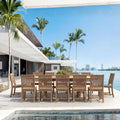
How to Style Poolside Loungers for a Resort Feel
Share
A pair of loungers can make a pool look finished, but a well-styled poolside setting makes people want to stay there. Learning how to style poolside loungers is less about piling on accessories and more about creating an easy, considered place to settle in after a swim, read in the shade, or linger over a cold drink. The best arrangements feel like a private resort: comfortable at first glance, practical in full sun, and polished from every angle.
Start by thinking about how your pool area is actually used. A quiet adults-only retreat calls for a different setup than a busy family pool deck or a backyard built for weekend entertaining. Once the function is clear, the materials, layout, and finishing layers become much easier to choose.
Begin With a Layout That Feels Intentional
Poolside loungers need breathing room. Placing them too close together can make even a generous deck feel crowded, while spacing them thoughtfully creates a calmer, more elevated look. Leave enough room to recline fully and to walk around each chair without stepping over towels, bags, or table legs.
For most pools, arranging two loungers side by side with a shared table between them is a classic starting point. It feels balanced and gives each person a place for a drink, sunscreen, and a book. If you have a larger pool deck, consider creating two distinct lounging zones rather than lining every chair along one edge. A pair near the shallow end may be ideal for sunbathing, while another grouping under a pergola or umbrella gives guests a cooler place to relax.
Angle matters, too. Loungers placed in a perfect row can look formal, especially beside a rectangular pool. Turning two chairs slightly toward each other encourages conversation and softens the geometry of the space. Just be sure the view still feels intentional. Most people prefer to face the water, a garden border, or an open backyard view rather than a fence or a busy service area.
Choose Materials That Belong Outdoors
A pool deck is one of the toughest environments for outdoor furniture. Sun, splashing water, sunscreen, chlorine, salt, and shifting temperatures all ask a lot of a lounger. Styling should never come at the expense of durability.
Teak brings natural warmth to stone, concrete, and tile, making it an especially strong choice when a pool area feels hard or visually cool. Its substantial profile also gives the setting a sense of permanence. Aluminum loungers offer a cleaner, lighter-lined look and are easy to move when you want to follow the sun or rearrange for company. Woven all-weather materials can introduce texture without making the space feel overly formal.
Cushions should be made with outdoor performance fabrics and quick-drying fills. White and cream are timeless beside the water, but they require a little more attention in an active household. If children, pets, frequent pool parties, or nearby trees are part of the picture, consider warm sand, soft gray, mineral blue, or muted green. These colors still read as refined while being more forgiving between cleanings.
The frame, cushion, and deck surface should work together rather than compete. For example, pale travertine pairs beautifully with teak and ivory cushions, while dark pool coping may call for lighter fabrics or airy aluminum frames to keep the area from feeling heavy.
Add Comfort in Purposeful Layers
The most inviting loungers look ready to use, not like a furniture showroom. A neatly folded towel, a lumbar pillow, and a light throw can add that welcoming, resort-ready finish. The key is restraint. One or two well-chosen layers per lounger will feel more luxurious than a stack of decorative pieces that must be moved before anyone can sit down.
Choose pool towels that support the overall color palette. Crisp white towels offer a hotel-inspired look, while striped towels can bring in a coastal or Mediterranean note. For a more modern backyard, try solid towels in tonal shades such as clay, oat, charcoal, or deep blue.
Lumbar pillows are particularly useful because they improve comfort without overwhelming the lounger. Look for fabrics with subtle texture, narrow stripes, or quiet botanical patterns. If your chair cushions are already patterned, use solid pillows. If the cushions are plain, a restrained pattern can add personality.
A lightweight outdoor throw is best reserved for covered loungers or cooler evenings. It is a thoughtful addition near a fire feature or beneath a pergola, but it may be impractical on an uncovered chair that gets frequent splashing. Good styling accounts for real life, not just the first photo.
Give Every Lounger a Place to Set Things Down
A side table is one of the smallest additions with the biggest impact. Without one, even beautiful loungers can feel incomplete. Guests need a stable spot for a drink, sunglasses, a phone, or a bowl of fresh fruit. A shared table works well between two chairs, while individual tables may be better around a larger pool where loungers are spread apart.
Choose a table that is proportional to the chair. It should be high enough to reach from a reclined position and substantial enough to stay steady in wind or around energetic guests. Teak, powder-coated aluminum, stone, and ceramic are all smart options, depending on your overall design direction.
Keep the tabletop edited. A small tray can neatly hold sunscreen and bug spray, while a carafe of water or a simple planter adds hospitality. Avoid leaving too many loose items outdoors. The goal is relaxed and useful, not cluttered.
Build Shade Into the Styling Plan
Full sun has its place, but a poolside retreat should offer relief when the afternoon gets hot. Shade also protects cushions and helps your loungers feel usable for more hours of the day.
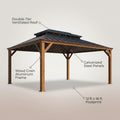
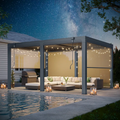
An offset umbrella is a flexible choice for a pair of loungers, especially if you want open sky most of the time. For a more architectural look, a pergola or gazebo can define an entire lounge zone and create a natural transition between the pool and the rest of the backyard. Adjustable louvers, privacy panels, and outdoor drapery can add control over sun, airflow, and sightlines.
Consider the direction of the sun before committing to placement. Shade that is perfect at noon may miss the chairs entirely by late afternoon. If your pool deck is exposed, movable umbrellas or chaise loungers with adjustable backs give you more flexibility than a fixed arrangement alone.
Use Greenery and Light to Soften the Edges
Pool decks often have strong lines and reflective surfaces. Planters, garden beds, and warm lighting keep the area from feeling stark. Place tall containers near the outer edge of a lounging zone to create a sense of enclosure, but do not block pathways or the view of the pool.
Architectural plants such as ornamental grasses, palms, olive trees, and leafy tropical varieties can bring a resort addition to life, depending on your climate and local growing conditions. For a low-maintenance option, use a few larger planters rather than many small pots. Repeating the same planter material helps the space look composed.
As daylight fades, lighting takes over the styling work. Soft path lights, lanterns, and low-glow fixtures near seating make the poolside feel welcoming without creating glare on the water. Warm light is generally more flattering and restful than bright white light. Keep any candles enclosed and positioned well away from fabric, wind, and foot traffic.
How to Style Poolside Loungers for Different Moods
A coastal setting might pair weathered teak, white cushions, blue-striped towels, and woven accents. A contemporary poolscape can lean into black or bronze aluminum, tailored neutral cushions, oversized planters, and clean-lined tables. For a warmer, desert-inspired retreat, combine natural wood, sand-colored textiles, terracotta vessels, and soft sage green.
The strongest designs use a limited palette. Choose two or three core colors, then repeat them across cushions, towels, planters, and nearby dining or seating areas. This creates visual continuity from the pool to the patio, even when the furniture pieces are not part of a matching set.
If your backyard already has a statement feature, such as a dramatic fire pit, a covered pergola, or a sculptural pool, let the loungers support it rather than compete with it. Quiet, beautifully made pieces often create the most memorable setting.
Keep the Resort Feel Easy to Maintain
A poolside arrangement only feels luxurious when it is easy to reset. Store extra towels, pillows, and throws in a weather-protected deck box or nearby cabinet. Rinse away chlorine or saltwater splashes regularly, wipe sunscreen from frames and tabletops, and follow the care guidance for your furniture material.
Cushions may be water-resistant, but they should still be stood on edge or brought under cover after a heavy storm. Furniture covers are useful during extended periods of nonuse, though breathable materials are preferable in humid climates. A little routine care protects the color, comfort, and finish that made you choose premium outdoor furniture in the first place.
Set out only what the day calls for, then let the rest of the space breathe. When the towels are fresh, the shade is in the right place, and every chair has a reason to be there, your poolside loungers become more than seating. They become an invitation to make the most of being home.