Gazebo Roof Buying Guide for Every Backyard
Share
A gazebo roof does more than keep a lunch table dry. It determines whether your outdoor room feels airy on a bright July afternoon, protected during a passing shower, and comfortable enough to enjoy long after the first season. This gazebo roof buying guide focuses on the decisions that shape daily use: material, roof style, drainage, ventilation, size, and the level of maintenance you are happy to take on.
The best choice is rarely the one with the most features. It is the roof that suits your climate, your patio layout, and the way you gather outdoors. A quiet morning coffee spot has different needs than a poolside entertaining area that hosts eight people under full summer sun.
Start With the Weather You Actually Get
Before choosing a finish or roofline, consider the conditions your gazebo will face most often. Strong sun, heavy rain, snow accumulation, coastal moisture, and regular wind all change what a sensible purchase looks like.
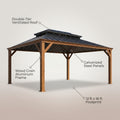
In hot, sunny regions, a roof needs to provide dependable shade without trapping too much heat. A double-roof or vented canopy design can be particularly valuable here. The raised upper section allows hot air to escape, helping the covered area feel more pleasant when the temperature climbs. It will not create air conditioning outdoors, but paired with open sides, a ceiling fan, or well-placed seating, it makes a noticeable difference.
In rainy climates, focus on roof pitch, panel overlap, gutters, and the way water leaves the structure. A roof that sheds water quickly protects not only the people beneath it but also the furniture, rugs, and cushions that make the space feel finished. If your gazebo sits near a doorway or pool deck, consider where runoff will land. You do not want a beautiful new shelter directing water onto a high-traffic walkway.
For snowy areas, verify the manufacturer’s stated snow-load rating rather than assuming any hardtop can carry winter conditions. Snow load depends on the roof design, span, local weather patterns, and installation. A structure built for occasional light snow is not necessarily suited to repeated, heavy accumulation.
Wind deserves equal attention. Permanent hardtop gazebos generally offer more security than lightweight fabric structures, but proper anchoring is essential in either case. A roof is only as dependable as the frame and foundation holding it in place.
Choose the Right Gazebo Roof Material
Roof material influences appearance, durability, noise, heat management, and upkeep. There is no single best option, but each material serves a distinct kind of backyard.
Galvanized steel and aluminum hardtops
Metal hardtop roofs are a natural choice for homeowners building a long-term outdoor destination. Galvanized steel delivers a substantial, architectural look and stands up well to sun and rain when it has a quality protective finish. Aluminum is lighter and naturally corrosion resistant, making it especially appealing in humid or coastal-adjacent environments.
Both materials are low-maintenance compared with fabric. They provide reliable shade and can stay in place year-round in many regions. The trade-off is that rain can be more audible on metal than on a softer canopy. Many homeowners find the sound pleasant, particularly when the roof is well designed and the gazebo is used as a sheltered place to enjoy summer rain. If quiet conversation during storms is a priority, consider the roof’s construction and whether an insulated or layered design is available.
Polycarbonate roof panels
Polycarbonate panels offer a lighter, more translucent look. They can bring daylight into a covered patio while blocking direct exposure more effectively than an open pergola. This makes them a strong fit for spaces that would otherwise feel too shaded, such as a gazebo beside the home or beneath mature trees.
The consideration is solar control. Clear or lightly tinted panels can allow more light and heat than a solid metal roof. Look for UV protection and choose tinting carefully based on your exposure. In a high-sun backyard, a deeply shaded roof may feel more comfortable than a bright, greenhouse-like cover.
Fabric and soft-top canopies
Fabric roofs offer a relaxed, resort-inspired profile and are often the most approachable option for seasonal use. They can be a smart solution for a smaller patio, a rental-friendly space, or homeowners who prefer a lighter visual footprint.
Quality matters greatly. Look for weather-resistant fabric, secure attachment points, and a canopy that can be removed, cleaned, or replaced when needed. Soft tops require more attention during storms, high winds, and winter storage. They can be beautiful and practical, but they are not a set-it-and-forget-it investment in the same way a well-built hardtop gazebo can be.
Wood, shingles, and architectural finishes
A wood-framed gazebo with a shingled roof can create a striking, custom-built feel, especially in traditional gardens and established landscapes. It can also coordinate beautifully with a home’s existing roofline. However, this route usually requires more maintenance and a deeper commitment to installation, sealing, and long-term care.
For homeowners who want a polished look with less upkeep, a metal hardtop in a warm neutral finish often provides a similarly substantial presence without the maintenance demands of natural wood roofing.
Roof Shape Changes How the Space Feels
A roof shape is not just a design detail. It affects headroom, drainage, airflow, and how the gazebo relates to the rest of your outdoor setting.
Hip roofs, with slopes on all sides, have a balanced, tailored appearance and work well in open backyard settings. They direct water away from the structure from every side and often complement classic patio furniture arrangements.
A peaked or gabled roof creates a stronger vertical statement and generous center height. This can make a gazebo feel more like an outdoor room, especially when it shelters a dining table or sectional. The higher profile may also support better heat release, though ventilation openings remain the more important feature.
Double-tier roofs are especially useful for comfort. Their layered profile creates a path for warm air to rise and escape while adding architectural character. For a sunny patio where people linger through afternoon and evening, that airflow is worth prioritizing.
Flat or low-slope roofs suit clean-lined contemporary spaces, but they need careful engineering for drainage. Water should never sit on a roof after rainfall. If you love a modern silhouette, choose a structure designed with enough slope and an intentional drainage system rather than a roof that only appears flat from the ground.
Size the Roof Around the Living Area Below
A gazebo roof should cover the furniture arrangement, not simply occupy an empty patch of patio. Measure the full footprint of your intended setup, including chair pull-back room, side tables, and circulation around the perimeter.
For a dining area, allow enough space for guests to slide chairs out without moving beyond the protected zone. For lounge seating, account for the depth of a sectional, coffee table, and the open pathway that keeps the arrangement from feeling crowded. A roof that is technically large enough can still feel undersized when the seating reaches its edges.
Ceiling height matters, too. A taller peak makes larger furniture feel appropriately scaled and helps the structure maintain an open, inviting character. On a smaller patio, however, an oversized roof can dominate the home’s exterior. The goal is presence without crowding - a destination worth lingering in, not a structure that overwhelms the yard.
Do Not Treat Ventilation as an Upgrade
On a warm day, heat naturally collects beneath any covered roof. Good ventilation is one of the clearest differences between a gazebo that looks appealing online and one that feels comfortable during a long weekend gathering.
Look for a vented top, louvered elements where appropriate, or an open roofline that encourages air movement. If you plan to add a ceiling fan, confirm that the gazebo is designed to support it and that electrical work will meet local requirements. Mosquito netting and privacy curtains can make the space more usable, but closing every side can reduce airflow. The right approach depends on whether bugs, privacy, direct sun, or breezes are your biggest concern.
Think Through Installation Before Delivery Day
A premium gazebo needs a stable, level base. Concrete patios, properly constructed decks, and paver surfaces with a suitable foundation are common choices. Grass and bare soil may work for temporary structures, but a permanent hardtop gazebo benefits from a more secure surface and proper anchoring.
Check dimensions carefully, including roof overhangs and the clearance needed to assemble the frame. Consider nearby trees, eaves, fences, and doors. A gazebo positioned too close to the house can interfere with drainage or block natural light indoors; placed too far away, it may feel disconnected from the kitchen and the flow of entertaining.
Large structures also require a realistic plan for delivery, moving cartons to the installation site, and assembly. Having a second set of hands - or professional installation for more complex setups - can turn a major backyard upgrade into a far more enjoyable project.
A Gazebo Roof Buying Guide for Long-Term Enjoyment
The right roof is one you will barely have to think about once it is installed. It should suit your weather, protect the moments you plan to have beneath it, and complement the furniture and landscape around it. A hardtop with ventilation may be the right investment for year-round hosting; a quality soft canopy may be exactly right for a flexible seasonal retreat.
Choose the roof that gives your outdoor space a reason to stay open a little longer - after the sun gets intense, when the forecast changes, and when the people you enjoy most are not ready to head inside.