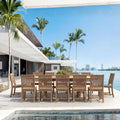
Gazebo Rain Protection Options That Work
Share
A light rain should not be the reason a relaxed dinner moves indoors or a poolside afternoon ends early. The right gazebo rain protection options let your backyard keep its sense of occasion when the forecast changes, turning a covered structure into a true extension of the home rather than a fair-weather feature.
The best solution is rarely one accessory. A dependable rain-ready gazebo starts with a roof designed to shed water, then adds the right level of side coverage, drainage, and furniture planning for how you actually use the space. A family that hosts Sunday dinners has different needs from a couple building a quiet garden retreat. Start with the rain conditions in your area, then choose protection that feels considered, not closed in.
Start With a Roof That Sheds Water
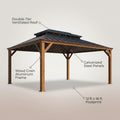
A gazebo roof is your first and most consequential line of defense. Hardtop gazebos with sloped, pitched, or dual-tier roofs are generally the most reliable choice for regular rain exposure. Their fixed panels direct water away from the seating area without needing to be adjusted before every passing shower.
Look beyond the fact that a roof is labeled weather-resistant. Its shape matters. A roof with enough pitch encourages runoff instead of allowing water to collect, while a well-designed overhang helps keep drips from falling directly along the perimeter of your dining table or sectional. Dual-tier roofs can also improve ventilation, which is especially welcome in humid climates where a fully enclosed structure may feel warm after rain.
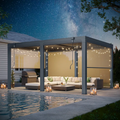
Louvered roof systems offer a different kind of flexibility. Open the louvers for sunlight and airflow, then close them when rain arrives. This is an elegant option for homeowners who want adjustable shade rather than a permanently shaded patio. Still, the details deserve attention: louvers must close tightly, their internal gutter channels need to be kept clear, and water will be directed through posts or drainage points. They are excellent for controlled coverage, but they are not a substitute for thoughtful site drainage.
Fabric canopy gazebos can work beautifully for seasonal entertaining or areas with occasional light rain. Choose a taut, properly tensioned canopy made from a water-repellent outdoor fabric, and pay close attention to its frame and drainage design. A loose canopy creates low spots where water can pool, stretch the material, and eventually cause damage. For regions with frequent storms, snow, or heavy downpours, a hardtop structure is usually the more enduring investment.
Gazebo Rain Protection Options for Wind-Driven Showers
Rain rarely falls straight down. A roof can keep the center of a gazebo dry while wind sends mist and rain across the open sides. That is where privacy panels, curtains, screens, and retractable shades become valuable.
Outdoor curtains create a soft, resort-inspired finish and can be drawn closed on the windward side when a shower rolls through. They are best for light rain and added privacy, especially around a lounge area or swing bed. Choose mildew-resistant fabric, secure tiebacks, and a system that lets the panels dry fully after use. Curtains that stay bunched while wet are more likely to develop odor or mildew.
Weather-resistant side panels offer more meaningful coverage. Fixed slat walls, bamboo-style privacy panels, and aluminum screens can reduce the amount of rain that reaches the interior while making the gazebo feel more intentional in the landscape. Partial walls are often the sweet spot: they protect the seating zone and create privacy without blocking every breeze or turning the structure into a dark enclosure.
Retractable zippered panels and clear vinyl curtains provide the highest level of temporary side protection. They are practical in cooler or rainier climates where you want to keep a gathering comfortable through a longer shower. Clear panels preserve views of the garden or pool, though they can trap heat on sunny days and may show condensation. Use them as changeable weather protection rather than leaving the gazebo sealed year-round.
Mosquito netting serves a different purpose. It makes evenings more comfortable, but most netting will not stop rain. Pair it with a solid roof and optional rain panels if you want both insect control and all-weather usability.
Drainage Makes the Difference
A beautiful gazebo can still feel disappointing if water pours off the roof edge, pools beside the posts, or travels across the patio toward your door. Rain protection should include the ground beneath and around the structure.
Position the gazebo on a level, stable foundation that has a slight plan for runoff. Pavers, concrete, and decking should direct water away from the home and avoid low spots around the footprint. If the gazebo sits on a lawn or gravel area, consider how saturated ground will behave after repeated rain. Mud splashing onto cushions and furniture quickly takes away from the polished retreat you intended to create.
Integrated gutters are particularly useful on larger hardtop gazebos and louvered systems. They collect water instead of creating a curtain of runoff around the roofline. Downspouts can then guide water toward a suitable drainage area. In a compact backyard, this feature can make a noticeable difference because water has fewer places to go without affecting walkways, planting beds, or the patio itself.
Keep roof channels, gutters, and surrounding drainage clear of leaves, seed pods, and debris. This simple seasonal task protects the structure and prevents overflow during the exact storm when you want coverage to perform well.
Choose Furnishings That Can Handle the Edges of the Storm
Even a well-protected gazebo has exposed edges, particularly during sideways rain. Place your most cushion-heavy pieces toward the center or against the most protected wall, rather than directly along an open side. A dining table, teak bench, or metal accent table can occupy a more exposed position with less concern.
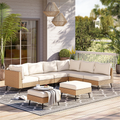
For upholstered seating, select quick-drying cushions with performance fabric covers and breathable interiors. Water-resistant does not mean waterproof, so removable covers and a dry storage plan still matter. If your gazebo will be open on multiple sides, furniture covers or a nearby deck box can preserve cushions during extended wet weather.
Materials also shape the maintenance experience. Powder-coated aluminum and quality teak are well suited to outdoor conditions, while wicker-style resin furniture offers an easygoing, textured look with practical durability. Natural materials can be beautiful, but they need a finish and care routine appropriate for your local climate. The goal is not to eliminate maintenance. It is to choose pieces that make care feel manageable.
Match the Protection Level to Your Climate and Use
In dry regions where rain comes in short bursts, a hardtop roof with one or two adjustable side panels may be all you need. You will retain open views and airflow for most of the year while gaining a reliable place to wait out a shower.
In coastal, humid, or storm-prone areas, prioritize corrosion-resistant framing, a strong roof, secure anchoring, and drainage. Wind ratings, installation requirements, and local building codes deserve careful review before you buy. No gazebo should be treated as a guaranteed shelter in severe weather, high winds, lightning, or hurricanes. Close retractable features, secure loose furnishings, and follow the manufacturer’s guidance when storms are expected.
If the gazebo is intended for dining and entertaining, give more thought to side protection and a dry route from the house. For a quiet reading corner or a poolside escape, you may prefer a more open structure with just enough coverage to protect the main seating area. The right answer depends on whether rain protection is an occasional convenience or central to how you plan to use your outdoor room.
A Rain-Ready Gazebo Should Still Feel Open
The temptation is to solve every weather concern by enclosing the entire structure. But outdoor living is at its best when protection and openness stay in balance. A sculptural hardtop, partial privacy wall, clean drainage line, and weather-ready seating can create a destination worth lingering in without hiding the landscape that made you want to be outside in the first place.
Choose the level of coverage that gives you confidence to leave the table set, keep the lounge inviting, and welcome guests even when clouds gather. When rain protection is planned as part of the design, every evening outside has a better chance of feeling like a getaway.