How to Install Gazebo Anchors for Lasting Stability
Share
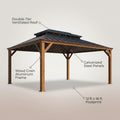
A gazebo can turn an exposed patio into the most inviting place at home: a shaded lunch spot, a rain-ready dining area, or a quiet corner beside the pool. But the finished structure is only as dependable as its connection to the ground. To install gazebo anchors correctly, start with the surface beneath your structure, the anchor points built into its frame, and the weather your backyard regularly sees.
Anchoring is not merely a finishing step after assembly. It protects the investment you have made in a more comfortable, resort-inspired outdoor space. A properly secured gazebo feels composed and permanent, helps keep doors and roof panels aligned, and gives you greater confidence when a summer storm moves in. The right method depends on whether your gazebo sits on concrete, a wood deck, pavers, or soil.
Start With the Gazebo and the Site
Before choosing hardware, read the gazebo's assembly manual from beginning to end, especially the foundation and wind guidance. Use only the mounting locations specified by the manufacturer. Adding fasteners in unapproved spots can damage the frame, interfere with drainage, or affect warranty coverage.
Confirm that the structure is positioned exactly where you want it before drilling. Measure from the house, fence, pool edge, and property lines, then check that doors, louvers, curtains, and screens will have room to operate. For a hardtop gazebo, allow practical clearance for roof runoff and access for seasonal cleaning.
The surface needs to be level, sound, and able to carry the combined weight of the gazebo and the people, furniture, lighting, and accessories it will hold. A gazebo leg can look level on a patio while resting partly over a cracked edge, a weak deck board, or an unstable paver. That is not a secure starting point.
Local building rules, HOA requirements, and wind exposure can also shape the installation. Coastal homes, open hillsides, and large yards with little wind protection often require a more conservative approach than a sheltered courtyard. If the structure is substantial, permanently placed, or near a property boundary, verify local requirements before installation.
Gather the Right Tools Before You Install Gazebo Anchors
The correct anchor kit is determined by the base material, not by what happens to be in the garage. Most installations also call for a tape measure, permanent marker, level, socket set or wrench, drill, safety glasses, work gloves, and a shop vacuum or brush for clearing debris.
For concrete, you will typically need a hammer drill, a masonry bit sized for the anchor, and anchors rated for exterior structural use. Wedge anchors and sleeve anchors are common choices when the slab is thick, sound, and free of serious cracks. Concrete screws can be appropriate for certain lighter-duty applications, but follow the gazebo manufacturer's specifications rather than assuming they provide equivalent holding power.
For a wood deck, use hot-dip galvanized or stainless steel lag screws or through-bolts sized for the gazebo's base plate and the supporting framing. A drill and appropriate wood bit are essential. For soil, ground anchors, auger-style anchors, or concrete footings may be required. The best choice depends on soil density, frost conditions, and the structure's wind rating.
Stainless steel hardware is often worth the added cost in humid, coastal, or poolside settings. It helps preserve the clean, finished look of the installation while resisting corrosion over time.
Anchoring a Gazebo to Concrete
A level concrete slab is one of the strongest, cleanest foundations for a gazebo. It is ideal for patios and poolside entertaining areas, provided the slab is in good condition and thick enough for the specified hardware.
Set the fully assembled gazebo in its final position and check it for square. Measure diagonally from opposite corners of the frame. Matching diagonal measurements indicate that the structure is square, which matters before any anchor holes are drilled. Use a level at each post, making small adjustments as needed.
Mark each mounting hole through the gazebo base plate. Move the structure only if necessary to give yourself clear drilling access, while preserving the marks. Drill perpendicular to the slab at the depth required by the anchor manufacturer. A depth stop or a piece of tape on the bit can help prevent drilling too shallow or too deep.
Remove all concrete dust from each hole. This step is easy to rush, but dust can reduce an anchor's grip. Position the base plate over the holes, insert the anchors, and tighten them evenly. Work around the gazebo rather than fully tightening one corner first. This keeps pressure balanced across the frame.
Do not anchor into the very edge of a slab, over a major crack, or into thin decorative concrete without verifying its construction. If your patio is compromised, a concrete contractor can advise whether a new reinforced pad or dedicated footings are the safer solution.
Avoid Anchoring Only Into Pavers
Pavers create a beautiful, tailored setting for an outdoor retreat, but the paver itself is rarely an adequate structural anchor point. It can shift, crack, or lift under wind loads. Removing individual pavers and installing concrete footings below the frost line, then cutting the pavers neatly around the posts, produces a far more dependable result.
In some designs, a gazebo may span a reinforced concrete pad concealed beneath the paver field. Either way, the anchor needs to engage a stable structural base, not just the surface finish.
Anchoring a Gazebo to a Wood Deck
A gazebo on a deck can make a compact backyard feel like a destination worth lingering in, but it requires thoughtful support. Deck boards alone are not designed to resist the uplift and lateral forces created by a gazebo roof. The posts must be anchored into framing members, blocking, or a properly engineered beam system below.
Locate the joists before marking holes. If a gazebo post does not land over a joist, install substantial blocking between joists so the load is transferred into the deck frame. Depending on the size and design of the gazebo, through-bolting with washers and nuts below the framing may provide a stronger connection than lag screws alone.
Inspect the deck first. Look for rot, loose fasteners, undersized framing, and signs of movement. A beautiful new gazebo should not conceal a deck that is nearing the end of its service life. When in doubt, ask a qualified deck professional to assess the framing and load capacity.
Use exterior-rated hardware and tighten it firmly without crushing the gazebo's base plate or splitting the wood. Recheck the hardware after the first few weeks, once the deck and frame have settled into regular use.
Anchoring a Gazebo in Soil or a Garden Setting
For a freestanding gazebo in a lawn or garden, temporary screw-in anchors may work for lightweight, portable canopies in mild conditions. They are not the same as a permanent foundation for a hardtop or heavy-gauge aluminum gazebo. The more substantial the structure, the more important properly sized concrete footings become.
Footings should extend below the local frost depth where freezing occurs, and each footing should be placed according to the gazebo's post layout. After excavation, set forms if needed, pour concrete, and allow it to cure fully before fastening the structure. Post bases or anchor brackets can create a cleaner, more durable connection than embedding parts of the gazebo frame directly into concrete.
Soil conditions matter. Loose sandy soil, fill dirt, and areas that stay wet may need larger or deeper footings than dense, well-drained ground. Keep the finished grade sloping away from the footings so water does not collect around the base.
Final Checks That Keep the Retreat Secure
Once every anchor is installed, walk around the gazebo and inspect each connection. The posts should be plumb, base plates should sit flat, and all hardware should be snug and evenly tightened. Open doors, screens, or adjustable louvers to ensure the frame has not shifted out of square.
Anchors are part of ongoing care, not a one-time task. Check them at the start of each outdoor season and after unusually strong wind, heavy snow, or severe storms. Look for loose nuts, cracked concrete, corrosion, deck movement, and water pooling around the base. Addressing a small issue early helps preserve both the structure and the polished setting around it.
A gazebo deserves to feel like a natural extension of your home, not a seasonal structure you worry about when the forecast changes. Give the foundation the same care as the furniture, lighting, and finishing touches beneath the roof, and every dinner, slow morning, and backyard gathering can feel comfortably settled in place.