Do Pergolas Increase Home Value? What Buyers See
Share
A bare patio can make even a beautiful backyard feel unfinished. Add shade, architectural definition, and a comfortable place to gather, and the same square footage can become the part of the home everyone uses. So, do pergolas increase home value? They can, but the bigger benefit is usually stronger buyer appeal and a more convincing sense that the home offers complete outdoor living.
A pergola is not a guaranteed dollar-for-dollar return in the way a major kitchen renovation is often measured. Its value depends on the quality of the structure, the local climate, the property price point, and whether it makes the backyard more useful. When it is thoughtfully chosen and properly installed, a pergola can turn an underused exterior into a destination worth lingering in.
Do Pergolas Increase Home Value in a Meaningful Way?
A well-designed pergola may increase a home's perceived value because it improves how buyers experience the property. Real estate decisions are emotional as well as practical. A buyer who can picture weekend dinners under a pergola, children playing nearby, or a quiet morning coffee in filtered shade is seeing more than a patio. They are seeing a lifestyle.
That impression can matter most in markets where outdoor entertaining is part of daily life. In warm or temperate regions, a defined outdoor room is often expected in higher-end homes. In four-season climates, a pergola still adds appeal when it extends the patio's use from early spring through fall and gives the yard a polished, intentional look.
The financial result is rarely isolated as “pergola value” in an appraisal. Instead, the structure contributes to the overall presentation, functionality, and desirability of the property. It can help a listing photograph better, stand apart from similar homes, and encourage buyers to spend more time imagining themselves there. Those advantages may support a stronger sale price or a faster sale, especially when the rest of the outdoor area is equally well maintained.
Why Buyers Respond to a Pergola
A pergola does something landscaping alone cannot always do: it gives the backyard a focal point and a purpose. It visually anchors a dining table, outdoor sectional, fire pit, or lounge area so the space reads as an extension of the home rather than furniture placed on an open slab.
It creates an outdoor room
The strongest backyard upgrades create zones. A pergola defines one without closing it off from fresh air, garden views, or conversation with guests in the pool area. That balance feels open yet intentional, which is especially appealing on larger patios that would otherwise feel exposed.
For homeowners who entertain, this structure gives gatherings a natural center. Add comfortable seating, layered lighting, and a substantial dining set, and the backyard begins to feel like a resort addition rather than a seasonal afterthought.
It adds shade without sacrificing atmosphere
Sun exposure is one of the biggest reasons patios go unused. Traditional open-slat pergolas provide filtered shade and visual texture, while louvered or covered options can offer more control over direct sun and light rain. Buyers tend to appreciate outdoor areas they can actually use at noon, not just at sunset.
The right shade solution depends on the setting. A home in Arizona may benefit from greater coverage and weather-resistant materials built for intense sun. In a wooded backyard, an airy slat design may be enough to make a dining area feel sheltered without making it dark.
It signals care and completion
A pergola can make the entire property appear more finished. This is not just about visual luxury. It signals that the homeowner invested in comfort, circulation, and the way the space lives. When paired with clean hardscaping, healthy landscaping, and appropriately scaled furnishings, it helps buyers feel they will not need to take on a backyard project immediately after moving in.
What Makes a Pergola Add Appeal Rather Than Cost
Not every pergola helps a home's value. A poorly built, undersized, or overly decorative structure can feel like a maintenance obligation. The goal is not to install the largest possible pergola. It is to choose one that fits the architecture, lot, and way people will use the space.
Match the home and patio scale
A compact pergola can look lost over an expansive patio, while an oversized structure may overwhelm a modest yard or block desirable views. Consider the footprint of the furniture first. There should be enough room for chairs to slide out, guests to move comfortably, and pathways to remain clear.
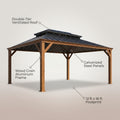
Style matters too. A clean-lined aluminum pergola often complements contemporary homes and pool decks. Wood or teak designs can bring warmth to traditional, coastal, and garden-forward properties. A thoughtful color palette and proportion will always feel more valuable than a structure chosen simply because it is on trend.
Choose durable materials for your climate
Buyers notice weathering. Peeling finishes, warped boards, rusted hardware, and sagging canopies quickly turn an amenity into a future expense. Premium materials and solid construction help a pergola retain its presence through heat, rain, wind, and changing seasons.
Aluminum offers a crisp, low-maintenance choice for many climates. High-quality wood delivers natural character but needs periodic care. Steel can be exceptionally strong when properly finished, while fabric components should be selected with UV resistance and replacement needs in mind. The best material is the one you are prepared to maintain and that suits the conditions in your backyard.
Install it correctly and follow local rules
A permanent pergola may require permits, setback compliance, or homeowners association approval. Requirements vary by municipality and by whether the structure is freestanding or attached to the house. Skipping this step can create a problem during a sale, particularly when buyers or lenders request documentation.
Professional installation or careful assembly according to manufacturer guidance is equally important. Secure footings, proper drainage, and wind-rated anchoring protect both the structure and the investment. A pergola should feel permanent, safe, and considered - never improvised.
The Return Depends on the Rest of the Backyard
A pergola is most valuable as part of a complete outdoor living plan. On its own, it adds structure and shade. With furnishings and finishing touches, it creates a setting buyers can understand immediately.
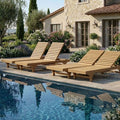
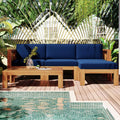
Start with the use case. A pergola beside the kitchen may be best suited to outdoor dining, with a table sized for family meals and relaxed hosting. A poolside pergola may call for deep seating, loungers, and side tables that support long afternoons outdoors. Near a garden, a swing bed or intimate seating arrangement can create a quieter private retreat.
Lighting extends the mood after dark. Warm string lights, integrated fixtures, or discreet lanterns make the structure feel inviting without turning the backyard into a stage set. Privacy panels, curtains, or strategically placed planters can also add comfort where neighboring homes are close, provided they do not make the area feel closed in.
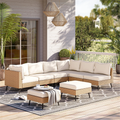
This is where quality furniture matters. An elegant, weather-ready dining set or outdoor sectional shows the scale and purpose of the pergola. It also makes listing photos work harder, because buyers can immediately see the space as a place for dinner parties, celebrations, and ordinary evenings that feel like a getaway.
When a Pergola May Not Raise Value
There are situations where a pergola is better viewed as a personal enjoyment upgrade than a resale strategy. If the home needs foundational repairs, a roof replacement, dated interior updates, or neglected landscaping, those priorities usually deserve attention first. Buyers are unlikely to pay a premium for a beautiful backyard feature if larger maintenance concerns remain.
It may also have limited impact when the structure is too specialized. An elaborate design that consumes most of a small yard, blocks natural light into the house, or clashes with the home's architecture can narrow appeal. Likewise, a pergola installed in a region where outdoor living is rarely practical may contribute less to buyer demand than it would in a sun-friendly market.
That does not mean the project is a mistake. Enjoyment has real value. If a pergola gives your family more reasons to eat outside, host friends, or step away from the day's noise, it is already improving how your home serves you.
How to Make the Investment Feel Worthwhile
Think beyond resale math. A pergola is most successful when it solves a real problem: a patio that is too hot, a backyard with no gathering place, or an outdoor area that looks disconnected from the home. Choose a design that feels architectural, use materials made for your climate, and furnish it with pieces that invite people to stay awhile.
For homeowners preparing to sell, keep the area clean, well lit, and simply styled. For homeowners planning to stay, invest in the version of outdoor living you will use often. A well-chosen pergola can make every evening outside feel less like time in the yard and more like time away.