Are Pergolas Waterproof in Rain? What to Know
Share
A summer dinner can move from relaxed to rushed the moment rain begins to fall. So, are pergolas waterproof in rain? Some are, but many are not. The answer comes down to the roof design, how it channels water, and how the structure is installed. A classic open-roof pergola creates beautiful architectural shade, but it will not keep a table, cushions, or guests dry during a shower.
For a backyard that feels like a private retreat in more than perfect weather, look beyond the word “pergola” and pay attention to the roof system. A covered, louvered, or properly fitted canopy pergola can offer meaningful rain protection. The right choice lets you enjoy the atmosphere of being outdoors without having to abandon the patio at the first sign of rain.
Are Pergolas Waterproof in Rain? It Depends on the Roof
Traditional pergolas were designed with open rafters or slatted beams. Their purpose is partial shade, visual definition, and a sense of enclosure without closing off the sky. Rain passes through those openings, sometimes lightly and sometimes directly onto the space below. They are not waterproof, even if the frame itself is made from weather-resistant aluminum, cedar, vinyl, or treated wood.
A pergola becomes rain-ready when it has a roof that creates a continuous water-shedding surface. That may be a fixed solid roof, an adjustable louvered roof, or a tightly tensioned canopy designed for wet weather. Each approach has a different look, level of protection, and maintenance requirement.
The distinction matters when you are planning a dining area, an outdoor sectional, or a fire feature beneath the structure. If your goal is a destination worth lingering in through changing weather, shade alone is not enough. You need a system built to direct water away from the living area.
The Pergola Roof Styles That Handle Rain Best
Louvered pergolas
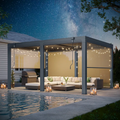
A louvered pergola uses rotating horizontal blades that can open for sunlight and airflow, then close when rain arrives. Premium systems are engineered so the closed louvers overlap and guide water into integrated channels, usually within the frame and posts. From there, water exits at the base of the structure rather than spilling across the seating area.
This is often the most versatile option for homeowners who want control. Open the roof for a bright morning coffee, tilt it for filtered afternoon shade, and close it for a passing shower. It is especially appealing over patios near the house, poolsides, and outdoor kitchens where the space gets frequent use.
Still, “waterproof” should be understood realistically. Even well-made louvers can allow a few drops through around moving parts during heavy wind-driven rain, particularly as the roof is opening or closing. Proper installation is essential. A level frame, correctly aligned louvers, and clear drainage channels make the difference between a polished experience and water dripping onto the dining table.
Fixed solid-roof pergolas
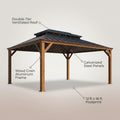
A fixed roof provides the most consistent shelter because there are no moving roof panels. These structures may use metal panels, insulated roof systems, polycarbonate sheets, or other solid coverings. When designed with the right slope, flashing, and gutters, they can perform much like a patio cover.
The trade-off is less flexibility. A solid roof creates dependable protection from rain and stronger shade, but it can make a compact patio feel darker. Choosing a light-colored roof, adding integrated lighting, or pairing solid coverage with open sides can preserve an airy, resort-inspired feeling.
Fixed roofs are a smart fit for outdoor dining sets, built-in grilling areas, and seating layouts that need reliable protection for cushions and tabletops. If keeping the space usable after a surprise storm is the priority, this is a confident choice.
Retractable canopies and fabric covers
A retractable canopy offers a softer, more relaxed look and can be extended when the sun is intense or a light rain begins. However, not all fabric canopies are made for rain. Shade sails, basic retractable fabric panels, and woven covers may resist some moisture but can sag, leak, or collect standing water during a sustained shower.
Look for a canopy specifically rated for rain exposure, with tightly woven waterproof fabric and a frame that maintains enough pitch for drainage. Even then, it should usually be retracted before high winds, snow, or severe storms. Fabric systems can be beautiful and practical, but they require more attention than a solid or louvered roof.
Water Resistance Is Not the Same as Waterproofing
Outdoor product descriptions often use terms such as water-resistant, water-repellent, weather-resistant, and waterproof. They are related, but they do not promise the same result.
A weather-resistant pergola frame is made to hold up against outdoor exposure. Powder-coated aluminum, for example, resists rust and fading far better than unfinished steel. That durability protects the structure itself, but it does not mean rain cannot fall through an open roof.
Water-resistant fabric may cause light rain to bead and roll off for a period of time. Under prolonged rainfall, water can eventually penetrate the material or collect in low spots. Waterproof roofing, by contrast, is designed to stop water from entering the area beneath it when installed and maintained correctly.
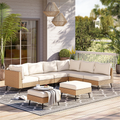
For furniture, the same distinction applies. Quick-drying cushions and outdoor performance fabrics are ideal for everyday splashes and occasional moisture, but they are not a substitute for overhead rain protection. If you plan to leave a premium outdoor sectional in place through the season, a roof with real drainage gives you more freedom and less cleanup after each storm.
Drainage Determines How Dry the Space Feels
A roof can be made from excellent materials and still disappoint if water has nowhere to go. The best rain-ready pergolas have a deliberate drainage plan: a slight roof pitch or louver angle, channels that collect runoff, gutters that move it away, and posts positioned so water exits away from foot traffic and foundations.
This is particularly valuable beside a home. Water spilling off one edge of a roof may splash onto doors, soak a walkway, or create erosion around the patio. Integrated gutters give the structure a cleaner appearance while protecting the surrounding hardscape.
Before buying, consider where rainwater will travel after it leaves the roof. Check the slope of your patio, nearby landscaping, and the location of electrical outlets, grills, and seating. A well-planned pergola should make rainy weather feel uneventful, not create a new puddle problem.
Wind, Snow, and Placement Change the Equation
Rain rarely arrives alone. In many parts of the US, a rainstorm also brings wind, and wind-driven rain can enter from the sides of any open-air structure. A waterproof roof keeps water from above out, but it cannot fully enclose a pergola unless you add side panels, curtains, screens, or privacy walls.
For exposed yards, a louvered pergola with optional side protection can make an outdoor room feel far more comfortable. Privacy panels can also soften wind, define a dining zone, and make a large backyard feel more intentional without sacrificing its open-air character.
Snow load deserves equal attention in colder climates. A roof system that performs beautifully in rain may not be rated to support heavy, accumulated snow. Review the structure’s local load rating and follow guidance on keeping louvers open or cleared when conditions require it. If permits or homeowner association approvals apply in your area, address them before installation rather than after delivery.
How to Choose a Pergola for a Rain-Ready Patio
Start with how you genuinely want to use the space. If you mainly want sculptural shade over a pair of loungers, an open-roof pergola may be exactly right. It frames the view, adds dimension to the landscape, and keeps the patio feeling connected to the sky.
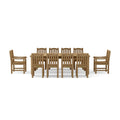
If you host dinners, want to protect a high-end teak table, or plan to use the patio as an everyday extension of the home, prioritize a solid or louvered roof with drainage. Think about the furniture footprint, not just the pergola dimensions. A roof that barely covers the table may leave the outer dining chairs wet, especially in a slanting rain.
Measure for clearance, too. Consider doors that swing outward, grill lid height, ceiling fans, and the sightline from inside the home. A pergola should feel proportionate to the house and generous enough for people to move around comfortably. Its presence should elevate the patio, not crowd it.
Material selection also shapes long-term ownership. Aluminum offers a clean, contemporary profile and minimal upkeep. Wood brings warmth and character but needs periodic sealing or staining, particularly where moisture is common. Whichever style suits your home, secure anchoring and professional-quality assembly are nonnegotiable for a structure meant to face changing seasons.
A rain-ready pergola is not simply a cover overhead. It is the detail that lets the patio remain inviting when the forecast is uncertain. Choose the level of shelter that matches your real life, and your backyard can stay ready for slow breakfasts, long dinners, and the kind of evenings that do not end when a few raindrops arrive.