Outdoor Shelters That Make Backyards More Livable
Share
A bare patio may have plenty of square footage, but without cover, it rarely becomes the place everyone chooses to gather. The right outdoor shelters change that equation. They define a destination, soften harsh sun, offer a little privacy, and make a backyard feel more like a private retreat than an open patch of pavement.
For homeowners who want to host dinner outside, create a poolside lounge, or claim a quiet spot for morning coffee, a shelter is often the first meaningful investment. The best choice is not simply the largest structure that fits. It is the one that matches how you live, the weather where you live, and the feeling you want your outdoor space to create.
What an Outdoor Shelter Actually Does
A well-chosen shelter does more than cast shade. It gives an outdoor room a sense of purpose. Once a dining table, sectional, or pair of loungers sits beneath a defined roofline or canopy, the space feels intentional. Guests know where to settle in. Furnishings feel grounded rather than scattered across the yard.
Shelter also extends the hours your patio can be enjoyed. Afternoon glare becomes more manageable. A light rain does not have to end a dinner party. On a breezy evening, privacy panels or curtains can make seating feel protected without closing off the view.
That said, no single structure solves every weather concern. A slatted pergola provides beautiful filtered light but will not keep cushions dry during a steady rain. A hard-top gazebo offers greater coverage, but may feel too substantial for a compact balcony or narrow deck. The right balance depends on whether shade, rain protection, privacy, or architectural presence is your first priority.
Choosing Between Gazebos, Pergolas, and Canopies
The most useful way to compare outdoor shelters is by the experience they create, not just by their silhouette.
Gazebos for dependable coverage
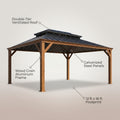
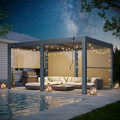
A gazebo is often the strongest choice for homeowners who want a true outdoor room. Its roof provides reliable overhead protection, while its posts establish a clear footprint for dining, lounging, or a fire-pit conversation area. Many designs include vents for airflow, and some offer curtains, netting, or privacy panels that help you adapt the space as the day changes.
Hard-top gazebos are especially appealing in regions with intense sun, frequent summer storms, or long outdoor seasons. They bring a substantial, resort-inspired presence to a pool deck or backyard and can help protect furniture from constant exposure. The trade-off is scale. A gazebo needs room to breathe around its perimeter, and it may require more planning for site preparation and assembly.
Pergolas for architectural shade
A pergola is a natural fit when the goal is atmosphere and visual structure. Open rafters create a rhythm of sun and shade that feels relaxed and refined, especially over a dining set, outdoor sectional, or walkway between the home and garden. It can frame a view without making the yard feel enclosed.
For more shade control, consider a pergola with an adjustable louvered roof or retractable canopy. These options let you welcome sun on a cool day and create more coverage when the afternoon heats up. A fixed-slat design can still be a beautiful choice, but it is best for spaces where dappled shade is enough and rain protection is not essential.
Canopies for flexibility
Canopies and soft-top structures work well when flexibility matters most. They can bring welcome shade to a seasonal seating area or provide coverage for occasional entertaining without making a permanent visual commitment. They are often lighter on the budget and easier to reposition than a larger gazebo.
Their limitations are worth respecting. Fabric tops need proper tension, seasonal care, and secure anchoring. In areas with high winds, heavy snow, or frequent severe weather, a temporary canopy should be treated as a fair-weather feature rather than a year-round structure.
Start With How You Want to Use the Space
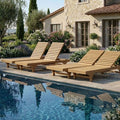
Before comparing finishes or roof styles, picture a normal Saturday at home. Is the shelter for long, unhurried dinners? A shaded place where children can play within view? A quiet pair of chaise lounges near the pool? The answer determines the footprint and the furnishings that belong beneath it.
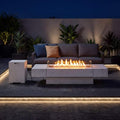
For dining, leave enough clearance to pull chairs out comfortably and move around the table without brushing the posts. A lounge setting needs room for side tables, ottomans, and a natural walking path. If you plan to add a fire pit, check recommended clearances and choose materials suited to the heat source. Comfort comes from proportion, not from filling every available inch.
Placement matters just as much. A shelter close to the house makes serving food, carrying drinks, and stepping outside feel effortless. A structure farther into the yard can create a more transportive escape, particularly when it overlooks a garden, pool, or sunset view. Neither approach is automatically better. Consider the route you will take most often, the views you want to preserve, and where sun lands throughout the afternoon.
Size, Scale, and Site Preparation
An outdoor shelter should look settled into its surroundings. A structure that is too small can make a generous patio feel underused. One that is too large can crowd the yard and block sightlines from inside the home.
Measure the usable area, then account for the structure's posts, roof overhang, and entry points. Keep clearance from fences, rooflines, trees, and property boundaries. If your community has HOA rules or local permit requirements, confirm them before ordering. This is especially important for permanent structures, anchored installations, and larger roofed gazebos.
The surface below deserves equal attention. Level concrete, pavers, and properly built decks typically provide the most stable foundation. Grass can work for certain temporary options, but legs may settle unevenly after rain, and anchoring becomes more important. A beautiful shelter cannot compensate for a poorly prepared base.
Materials Built for Real Weather
Premium outdoor living should feel easy to maintain, not delicate. Look for frames made from powder-coated aluminum, steel with protective finishes, or naturally durable wood, depending on the look you want and the climate you call home.
Aluminum is lightweight, corrosion-resistant, and well suited to contemporary patios. Steel can offer reassuring weight and strength, though protective coatings matter in wet or coastal environments. Wood brings warmth and timeless character, particularly alongside teak seating and dining collections, but it benefits from occasional care to retain its finish.
Roof material changes the experience, too. Metal roofs offer lasting coverage and a more substantial architectural profile. Polycarbonate panels can filter light while maintaining a brighter feel below. Fabric canopies create softness and flexibility, but they require more attention during storms, strong winds, and winter storage.
Do not overlook airflow. A shelter that blocks sun but traps heat will not feel inviting in July. Vented roofs, open sides, adjustable louvers, and strategically placed curtains can keep the area more comfortable while preserving the sense of enclosure.
Add Privacy Without Closing In
Privacy is one of the quiet luxuries a shelter can provide. It is not always about hiding the backyard from neighbors. Sometimes it is about creating a more intimate setting for a meal, a conversation, or an afternoon nap.
Curtains offer the most adaptable approach. Draw them when the sun is low or when you want a cozier mood, then open them to reconnect with the landscape. Bamboo or wood privacy panels add texture and a more tailored look, while climbing plants can soften a pergola over time. Plants are beautiful, but they are not instant coverage, so pair them with a shelter that already meets your needs.
Aim for selective screening rather than a fully walled-off box. Preserving one or two open sightlines keeps breezes moving and makes the space feel generous. The goal is refuge, not isolation.
Furnish the Shelter Like an Outdoor Room
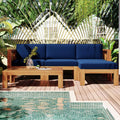
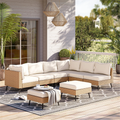
Once the structure is in place, choose fewer, better pieces. A substantial dining table beneath a gazebo invites lingering meals. A deep-cushioned sectional under a pergola creates an easy place to gather after dinner. Teak lounge chairs, an outdoor rug, and warm lighting can turn a simple covered corner into a destination worth lingering in.
Coordinate the materials and proportions. A slim, airy pergola pairs naturally with streamlined furniture, while a large hard-top gazebo can carry more generous seating and a statement dining set. Keep cushion fabrics and finishes suited for outdoor use, even beneath a roof. Wind-driven rain, humidity, pollen, and daily sun still reach protected spaces.
Lighting completes the transition from patio to retreat. Soft overhead string lights, lanterns, or integrated fixtures make the shelter useful after sunset without overpowering the landscape. A warm glow is usually more inviting than bright, direct illumination.
Make the Investment Feel Effortless
The best outdoor shelter earns its place in your routine. It should make you more likely to eat outside on a weeknight, invite friends over without checking the forecast every hour, or take a quiet break before the rest of the house wakes up.
Choose a structure that gives your furniture, your guests, and your everyday rituals a comfortable place to land. When the scale is right, the materials suit your climate, and the design feels at home with your property, stepping outside can feel like arriving at your favorite resort without leaving your own backyard.