How to Install Gazebo Privacy Curtains Right
Share
A gazebo can provide welcome shade, but privacy curtains are what make it feel like a true outdoor room. When you install gazebo privacy curtains with the right fit and hardware, a wide-open structure becomes a more comfortable place for slow mornings, poolside afternoons, dinner parties, and evenings that feel a little farther from the neighbors.
The best installation is not simply about hanging fabric. It is about preserving airflow, keeping panels easy to operate, and choosing a finish that looks intentional from every view of the yard. A few careful measurements before you begin will make the difference between curtains that feel tailored to the structure and panels that bunch, drag, or blow loose in the first breeze.
Start With the Gazebo and the View
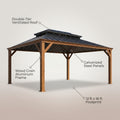
Before ordering or unpacking curtains, take a close look at how your gazebo is built. Most ready-made curtain sets are designed to mount to an existing interior track, a rod beneath the roofline, or hooks placed along the frame. The correct method depends on the structure itself, not just the dimensions printed on the curtain package.
Measure each opening separately. Even square or rectangular gazebos can have slight variations at the posts, especially after installation on an uneven patio, deck, or paver surface. Measure the width from post to post where the curtains will hang, then measure the drop from the mounting point to the floor. If your gazebo sits on a raised deck, measure to the deck surface rather than the ground below.
For a full, resort-inspired look, plan for curtain panels whose combined width is at least 1.5 times the opening width. Two times the width creates a more generous gathered effect and gives you better coverage when the panels are closed. A barely wide-enough panel can look flat and may leave gaps when you need privacy most.
Curtains should generally finish about one inch above the floor. That small clearance helps keep the hem clean, lets rainwater drain away, and prevents the fabric from catching under chairs or sliding doors. If you have a sloped surface, use the lowest point as your reference so no panel drags.
How to Install Gazebo Privacy Curtains
Begin by reading both the gazebo and curtain instructions. This may sound basic, but compatible hardware is not universal. A curtain set with small rollers may not fit a wide existing track, while grommet-top panels need a rod that is strong enough to support their weight outdoors.
If your gazebo has a built-in track, inspect it for dirt, insects, old packaging material, or bent sections. Wipe it clean with a soft cloth and test a single hook or roller before loading all the panels. The hardware should glide with light resistance, not catch or require force.
For a rod-mounted installation, use outdoor-rated curtain rods and brackets that match the material of your gazebo frame. Aluminum and steel structures often accept manufacturer-approved clamps or brackets, while wood gazebos can usually accommodate corrosion-resistant screws. Avoid drilling into roof supports, crossbeams, or any structural component unless the gazebo manufacturer specifically permits it. Privacy is never worth compromising the integrity of the frame.
Install the rod or track hardware level, then hang one panel at a time. If the curtain uses hooks, place them at consistent intervals so the fabric hangs evenly. For grommet panels, thread the rod through the grommets before setting the rod into its brackets. Once all panels are in place, slide them around the perimeter to check for smooth movement and adjust the spacing as needed.
Most gazebo curtain sets include tiebacks. Position them at a height that feels natural to reach from inside the gazebo, usually around waist level. Tiebacks are more than a decorative detail. They keep the entrance open for guests, protect fabric from food and drink traffic, and let your structure maintain an airy, welcoming feel on calm days.
Secure the Bottom Edge for Windy Conditions
Outdoor curtains need a little more support than indoor drapery. A light breeze is pleasant; a panel that repeatedly lifts into a candle, grill, or dining table is not. If your curtains include bottom loops, fasten them to the gazebo posts or lower frame according to the product directions. Some systems use straps, clips, or weighted hems to keep panels in place.
Do not pull the bottom edge tight. Curtains need enough movement to open and close without stressing the top hardware. The goal is gentle control, not a rigid wall of fabric. In areas with frequent wind, close and secure the panels when the gazebo is not in use, and remove them ahead of severe storms.
Choose Materials That Suit Your Climate
The fabric matters as much as the mounting method. Polyester outdoor curtains are popular because they are lightweight, quick-drying, and easy to maintain. Solution-dyed acrylic and performance fabrics often offer stronger resistance to fading, making them a smart investment for sunny patios, pool decks, and open backyards with long summer exposure.
Water-resistant is useful, but it does not always mean waterproof. Water-resistant curtains can shed a passing shower while still allowing airflow. Fully waterproof material offers greater rain protection, yet it can feel warmer and may trap moisture if left closed for long periods. For most residential gazebos, breathable, weather-resistant panels deliver the better balance of comfort and protection.
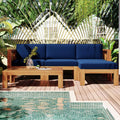
Color also changes the experience. Soft neutrals, sand tones, and warm grays create a polished backdrop for teak, woven seating, and outdoor dining furniture. Darker panels can offer a stronger sense of enclosure but may absorb more heat in direct sun. Sheer curtains soften the view and filter glare, although they provide less privacy after dark when interior lighting is on.
If mosquitoes are part of the equation, consider a two-layer setup with privacy curtains and mesh netting on separate tracks. The fabric panels establish the mood, while the mesh handles insects during dinner or late-night lounging. It is an especially useful arrangement near water, gardens, or wooded property lines.
Make the Panels Feel Designed, Not Added On
Curtains look most convincing when they relate to the rest of the space. Repeat their color in seat cushions, a rug, throw pillows, or a table setting. If your gazebo has a clean-lined metal frame, tailored panels with simple tiebacks keep the look modern. A wood structure can carry a softer, more relaxed fabric with a fuller gather.
Think about the openings you actually use. You may want one side to remain tied back as a main entrance while another closes toward a neighboring home or a bright western exposure. This selective approach gives you privacy where you want it without losing the connection to your garden, pool, or surrounding landscape.
For entertaining, close the panels on the windward side and leave the opposite side partially open. You will reduce the draft while keeping the gazebo from feeling closed in. When the sun drops, drawing the curtains creates an instant shift in atmosphere: the patio becomes a destination worth lingering in.
Care That Keeps Curtains Looking Fresh
Brush off leaves, pollen, and dust regularly so debris does not settle into the weave. Most outdoor panels can be cleaned with mild soap, lukewarm water, and a soft brush, then rinsed thoroughly and allowed to air-dry fully. Skip harsh bleach unless the care label specifically allows it, since it can weaken fibers and affect color.
At the beginning and end of each season, inspect hooks, rollers, rods, and tiebacks for corrosion or wear. A small replacement now is easier than repairing a torn header later. In regions with snow, ice, or high seasonal winds, storing curtains clean and completely dry will extend their life and keep them ready for the first warm weekend.
A well-fitted curtain set gives a gazebo one of its most valuable qualities: choice. Leave it open when the day calls for breeze and views, then close the panels when you want your backyard to feel like your own private retreat.