How to Prevent Cushion Fading in Your Backyard
Share
A sun-washed patio can look beautifully relaxed. Sun-washed cushions, on the other hand, can make even a well-designed outdoor retreat feel tired before their time. Knowing how to prevent cushion fading helps protect the color, texture, and tailored look that make your seating area feel like a true extension of your home.
Fading is not always a sign of poor-quality furniture. Intense UV exposure, heat, rain, humidity, and everyday use all take a toll, especially in bright climates and open backyard settings. The goal is not to keep outdoor cushions hidden away. It is to give them the right level of protection so your favorite place to gather still looks inviting season after season.
Why Outdoor Cushions Fade
Sunlight is the main culprit. Ultraviolet rays break down dyes in fabric, causing deep navy, charcoal, forest green, and saturated reds to lose intensity over time. Direct afternoon sun is especially demanding because it combines UV exposure with high surface heat.
Moisture can make the issue worse. Rain, morning dew, pool splashes, and humid weather may leave behind mineral residue or encourage mildew. Repeated cleaning with harsh chemicals can also strip color from the fibers. Even cushions labeled for outdoor use need thoughtful care, particularly when they sit in a wide-open location with little overhead cover.
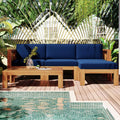
The fabric itself matters, too. Solution-dyed acrylic fabrics are made with color integrated into the fiber, rather than applied only to its surface. They generally hold their color longer than many printed, piece-dyed, or indoor-grade fabrics. Polyester can be a practical and durable choice, but its fade resistance varies by construction and finish. Before buying replacement cushions or a new outdoor sectional, review the fabric specifications instead of relying on color alone.
Start With Smart Shade Placement
The most effective answer to how to prevent cushion fading is to reduce the number of hours cushions spend in direct sun. A little shade can make a noticeable difference without taking away the open-air feel of your patio.
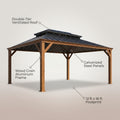
A pergola, gazebo, or covered patio gives a seating area a more permanent layer of protection while creating the sense of a destination worth lingering in. For flexible shade, consider an offset umbrella, retractable canopy, or adjustable louvers. These options let you welcome morning light, then block the strongest afternoon exposure when the sun shifts.
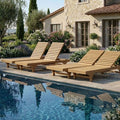
Placement is equally useful. If possible, position your outdoor sofa or lounge chairs where the house, a privacy wall, mature landscaping, or an overhead structure provides relief during peak sun hours. A poolside seating area may need more deliberate coverage than a shaded garden patio, especially in Arizona, Texas, Florida, Southern California, or other high-UV regions.
Shade does involve a trade-off. Dense overhead coverage can slow drying after rain and reduce airflow. Leave room around furniture, avoid trapping cushions against walls, and choose a setting where breezes can move through. The best outdoor room balances sun protection, comfort, and ventilation.
Choose Fabrics Designed for the Outdoors
Not all outdoor cushions are built for the same conditions. For an exposed patio, prioritize cushions with UV-resistant, solution-dyed performance fabric and quick-drying foam or fill. These materials are designed to stand up to everyday light, moisture, and entertaining without requiring constant attention.
Darker colors are not automatically the safest choice. Deep tones can show uneven fading, but pale neutrals may reveal dirt, sunscreen, and mildew more readily. The right choice depends on your setting and maintenance preferences. If your deck receives full sun most of the day, a medium neutral, heathered weave, or subtly textured fabric can be more forgiving than a very dark solid color.
Patterns can also work in your favor. A refined stripe, tonal weave, or small-scale pattern helps make gradual changes in color less obvious than a flat, solid surface. For a polished resort-inspired look, pair durable neutral seat cushions with pillows in colors that are easier and less expensive to refresh over time.
Rotate Cushions Before Fading Becomes Uneven
Cushions rarely fade at the same rate. The side facing west may receive much more sun than the side sheltered by the home. Back cushions may stay rich while seat cushions slowly lighten, and reversible cushions can fade unevenly if they are never flipped.
Every few weeks during the sunny season, rotate loose cushions from one side of the sectional to the other. Flip reversible seat cushions and turn pillows so the same edge is not always facing the sun. This does not stop fading altogether, but it helps the color age evenly, which keeps the whole arrangement looking intentional.
For fixed cushions, pay attention to furniture orientation. Moving a pair of loungers slightly or changing the angle of a conversation set can prevent one arm or one backrest from receiving all-day exposure. Small adjustments are often enough to extend the fresh, balanced look of your patio furniture.
Clean Gently and Deal With Spills Early
Routine cleaning preserves more than appearance. Dust, pollen, tree sap, bird droppings, and sunscreen residue can settle into fabric and become harder to remove after they bake in the sun. Brush off loose debris regularly, then clean cushions with a soft brush, mild soap, and cool or lukewarm water when needed.
Avoid bleach unless the cushion manufacturer specifically recommends it. Strong cleaners can affect color, weaken fibers, and leave behind residue that attracts more dirt. Pressure washers are also too aggressive for most cushion fabrics and seams.
After cleaning, let cushions dry completely in a well-ventilated area. Do not place damp cushions under a tight cover or stack them in a closed deck box. Moisture trapped inside can lead to mildew, odors, and staining that are far more difficult to address than ordinary surface dirt.
Use Covers the Right Way
Furniture covers are one of the simplest ways to protect cushions during long stretches of intense sun, storms, or time away from home. They are especially worthwhile for outdoor sectionals, dining chairs, and deep-seating collections that take longer to move indoors.
A good cover should fit without pressing tightly against the cushions, and it should allow for airflow. Waterproof does not always mean breathable. A fully sealed cover may keep out rain but trap humidity underneath, particularly in humid climates or after a warm day followed by a cool night.
Use covers when furniture will not be in use for several days, during seasonal storms, or when you are traveling. For daily use, removing and replacing a large cover can become a chore. In that case, a pergola or umbrella combined with a few minutes of cushion care may be the more realistic routine.
Store Cushions During the Harshest Months
When the season changes or extreme weather is expected, indoor storage offers the strongest protection. A dry garage, climate-moderated basement, or clean storage room is ideal. If space is limited, a ventilated outdoor cushion box can be useful, provided cushions are fully dry before they go inside.
Avoid storing cushions directly on concrete, which can hold moisture and transfer grime. Place them on shelving, a clean mat, or a raised platform. Do not compress them tightly for months at a time, either. Foam and fiber fill retain their shape better when stored flat or loosely stacked.
For homeowners in mild climates, year-round outdoor living may make seasonal storage unnecessary. Even then, bringing cushions in during the hottest part of summer or during weeks of heavy rain can add meaningful life to the fabric.
Protect the Whole Outdoor Setting
Cushion care works best as part of a larger approach to outdoor design. Shade structures protect furniture while making meals, conversations, and quiet mornings more comfortable. Trees and tall planters can soften late-day glare. An umbrella near a seating group can preserve fabric while giving guests a cooler place to relax.
At Oasis Patio Direct, we see outdoor furniture as an investment in the moments that happen around it: unhurried coffee, family dinners, poolside afternoons, and evenings that feel like a getaway without leaving home. A little planning around fabric, shade, and storage keeps those spaces looking ready for company.
Your cushions do not need to look brand-new forever to look beautiful. Give them protection where the sun is strongest, clean them with care, and store them when conditions turn harsh. The result is an outdoor retreat that continues to feel considered, comfortable, and ready whenever you are.