Can Outdoor Furniture Stay Outside All Year?
Share
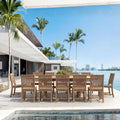
A teak dining table set for a long weekend on the patio should not feel like a piece you have to rescue every time the forecast changes. So, can outdoor furniture stay outside all year? Often, yes - but the right answer depends on its material, your climate, and the level of care you are willing to give it.
Quality outdoor furniture is designed for life beyond the back door: bright sun, summer storms, damp mornings, and the occasional impromptu dinner that lasts after sunset. Still, “weather-resistant” does not mean maintenance-free. Choosing wisely and giving each piece a little seasonal attention helps preserve the comfort, color, and polished look that make an outdoor space feel like a private retreat.
Can Outdoor Furniture Stay Outside Year-Round?
Many outdoor furniture frames can remain outdoors year-round. Teak, powder-coated aluminum, HDPE lumber, resin wicker, and certain treated woods are all well suited to changing weather when they are well made. Their performance varies, though. A covered porch in coastal California puts furniture through a very different test than an exposed deck in Minnesota or a poolside terrace in Arizona.
The more exposure a piece receives, the more protection it needs. Direct afternoon sun can fade fabrics and heat metal frames. Repeated freeze-thaw cycles can stress joints and trap moisture in small cracks. Coastal salt air can speed up corrosion on unprotected metal. Heavy rain is less troubling for a quick-drying frame than for cushions with dense foam or fabrics that hold water.
Think of year-round outdoor placement as a partnership. Start with materials intended for the conditions, then use covers, storage, and basic cleaning to keep the investment looking as inviting as the day it arrived.
Start With the Material, Not the Marketing
A beautiful patio is easier to maintain when the furniture itself is suited to the setting. Material determines how a chair, sectional, or dining set responds long after the first season.
Teak earns its reputation
Premium teak is among the strongest choices for permanent outdoor living. Its natural oils help it resist moisture, insects, and decay, while its dense grain stands up beautifully to regular use. Left unfinished, teak gradually changes from a warm golden tone to an elegant silvery gray. That weathered finish is cosmetic, not a sign that the wood is failing.
If you prefer teak’s original honey color, clean it periodically and apply a quality teak protector according to product directions. Avoid rushing to oil outdoor teak. Oil can encourage mildew in humid conditions and is not necessary for the wood’s structural durability. In areas with harsh winters, teak can stay outside, although a breathable cover or sheltered placement will reduce spring cleanup.
Aluminum keeps things light and capable
Powder-coated aluminum is a practical favorite for outdoor sectionals, dining sets, and loungers. It does not rust, is easy to move, and handles rain well. The coating is what gives it lasting color and added protection, so clean away dirt and pollen rather than allowing grime to sit on the finish.
Aluminum is especially smart in rainy regions and around pools. In coastal locations, rinse frames occasionally with fresh water to remove salt residue. If the finish becomes chipped, address it promptly to preserve the appearance of the piece.
Resin wicker needs a solid frame
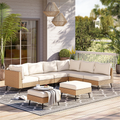
All-weather wicker is typically woven from synthetic resin over an aluminum frame. When it is made well, it brings the relaxed texture of traditional wicker without the vulnerability of natural fibers. It can stay outdoors through the seasons, but the quality of the weave, frame, and UV protection matters.
Low-quality resin can become brittle after intense sun exposure, while cushions tucked into woven seating may remain damp after rain. Choose tightly woven, UV-resistant resin furniture and check beneath the cushions after storms. A cover is particularly useful during prolonged periods of sun, rain, or snow.
HDPE and recycled plastic are built for exposure
High-density polyethylene furniture is exceptionally low-maintenance. It resists rot, insects, moisture, and fading better than many budget materials. Its substantial feel makes it a good fit for windy patios, casual dining spaces, and pool areas where easy cleanup matters.
This furniture can usually live outside without concern, even in wet weather. Snow does not harm it, but avoid stacking pieces in a way that lets water freeze between surfaces. A mild soap-and-water wash is usually all it needs.
Steel and iron require more attention
Steel and wrought iron offer welcome weight and classic presence, especially for formal garden dining. They can remain outdoors, but they are less forgiving when their protective finish is scratched or worn. Moisture can lead to rust, particularly in humid, rainy, or coastal climates.
Inspect metal furniture at least once a season. Touch up chips early, keep drainage points clear, and consider moving or covering these pieces through winter. The effort can be worthwhile for the sculptural, grounded look that heavier metal brings to a patio.
Cushions Are Usually the Deciding Factor
Frames may tolerate the elements, but cushions deserve a separate plan. Outdoor cushions are often made with water-resistant fabric and quick-drying foam, not waterproof materials. A passing shower may bead up and roll away; several days of rain can still leave moisture inside.
For everyday summer use, it is reasonable to leave quality cushions outside if they can dry quickly and receive good airflow. Stand them on their sides after a heavy rain, brush away leaves, and make sure they are fully dry before placing them in a deck box or under a cover. Storing damp cushions is one of the fastest ways to create mildew and persistent odors.
During extended wet weather, winter, or periods when the patio will not be used, bring cushions indoors or place them in a dry, ventilated storage solution. This simple habit protects color, fill, and comfort far more effectively than covering everything while it is still damp.
Match Your Care Routine to Your Climate
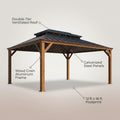
There is no single rule for every backyard. Homeowners in sunny, dry climates should prioritize UV-resistant fabrics, shade, and occasional washing to remove dust. A pergola, gazebo, or adjustable roof structure can make a meaningful difference by reducing constant sun exposure without closing off the outdoors.
In humid or rainy areas, airflow is the priority. Avoid wrapping furniture tightly in non-breathable plastic, which can trap condensation and create the very moisture problem you are trying to avoid. Choose vented, fitted covers and remove them on dry days so the furniture can breathe.
Cold-climate homeowners should prepare before the first hard freeze. Clear leaves and debris from frames, elevate furniture slightly if water tends to pool on the patio, and store cushions. Snow itself is not always destructive, but the weight of accumulation and repeated thawing can be hard on covers, fabrics, and vulnerable finishes.
Coastal homes need the most frequent rinse-downs. Salt is persistent, and it can settle into crevices, hardware, and fabric. A quick fresh-water rinse every few weeks is a small task that protects the calm, resort-inspired look of the space.
Covers Help, but Only When Used Correctly
A furniture cover is not a substitute for choosing outdoor-rated pieces. It is an added layer of protection against dirt, UV exposure, tree sap, and prolonged precipitation. The best covers fit well enough to stay in place but leave room for air to circulate.
Never cover furniture that is wet or coated in debris. Let it dry, wipe down the frame, and brush away leaves first. Make sure water can drain off the cover instead of pooling in the center. For sectionals and dining sets, separating cushions from frames before covering often creates a cleaner, drier result.
A Seasonal Reset Keeps the Space Ready to Enjoy
At the beginning of each outdoor season, wash frames with mild soap and water, tighten loose hardware, inspect protective finishes, and clean cushion covers as their care labels direct. This is also the right moment to reassess the layout. Moving a lounge chair into partial shade or placing a dining set beneath a gazebo can improve both comfort and longevity.
Before winter or a long period away from home, remove cushions, clean every surface, and use breathable covers on pieces that will remain outdoors. Store delicate accessories, umbrellas, and lightweight items that could be damaged by wind. A few unhurried minutes of preparation prevent a disappointing spring reveal.
Your outdoor furniture should support the way you want to live outside, not add another demanding chore to the home. Select materials that meet your local weather, protect cushions when conditions turn, and give each piece a simple seasonal reset. Then the patio remains what it should be: a destination worth lingering in, whenever the door opens.