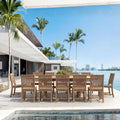
Gazebo Versus Pergola: Which Fits Your Yard?
Share
A beautiful patio can still feel unfinished when the afternoon sun sends everyone indoors or a light rain ends dinner early. The gazebo versus pergola decision is really about how you want to use your outdoor space: as an open-air setting with architectural shade, or as a more protected destination for lingering through changing weather. Both can make a backyard feel like a private retreat. The right one gives your favorite outdoor moments a place to happen more often.
Gazebo versus pergola: the essential difference
A pergola is an open-frame structure, typically built with upright posts and a slatted or louvered roof. It defines a seating or dining area without closing it off from the sky, breezes, or surrounding landscape. Its appeal is visual as much as functional. A well-proportioned pergola can turn a bare patio, pool deck, or garden path into an intentional outdoor room.
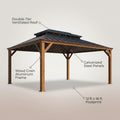
A gazebo is designed to provide fuller cover. It generally has a solid roof, often with a vented peak, and may include built-in sidewalls, curtains, screens, or privacy panels. The structure creates a stronger sense of enclosure while preserving the pleasure of being outside. Think of it as a destination worth lingering in, even when the forecast is not perfectly cooperative.
Neither choice is automatically better. A pergola suits homeowners who want filtered light, airflow, and a clean architectural statement. A gazebo is often the better fit when dependable shelter, privacy, and a more defined entertaining zone matter most.
Choose a gazebo when shelter is the priority
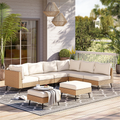
If your outdoor plans do not stop when the sun gets intense or clouds roll in, a gazebo earns its footprint. Its roof offers more consistent overhead coverage than an open-slat pergola, making it especially useful over a dining set, outdoor sectional, swing bed, or lounge arrangement you use often.
For families and frequent hosts, that added protection changes the rhythm of the backyard. A Saturday lunch can stretch into an unhurried afternoon. Guests have a comfortable place to sit when a brief shower passes through. Cushions, rugs, and tabletop settings are less exposed than they would be beneath an open structure.
Gazebos also work well in yards where privacy is part of the assignment. Curtains and screens can soften sightlines from neighboring homes, while wood or bamboo-style panels bring warmth and a more secluded feel. This can be especially valuable around pools, hot tubs, or compact suburban patios where every neighboring window seems to face the same direction.
That protection comes with a visual trade-off. A gazebo has greater presence and can feel substantial in a small yard if its proportions are not carefully considered. Leave enough open space around it so the structure feels like a deliberate resort addition, not a roof dropped into the middle of the lawn.
Choose a pergola for flexible shade and open-air style
A pergola is often the first choice for homeowners who love the feeling of being outdoors but want relief from direct sun. The slatted roof creates shifting patterns of light throughout the day, giving a patio more depth and atmosphere without taking away its connection to the sky.
It is a natural partner for a dining table, teak lounge chairs, or an outdoor sectional near the house. It can frame the transition from indoors to outdoors, making the patio feel like a true extension of the home. Near a pool, it can define a sophisticated lounging zone without blocking views across the yard.
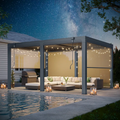
Modern pergolas can offer more shade control than traditional fixed-slat designs. Adjustable louvers allow you to open the roof for sunlight and airflow, then angle the slats for more protection when the day heats up. This flexibility is particularly appealing in climates with strong sun, where homeowners want coverage without committing to a fully enclosed look.
Still, a pergola is not the same as a weatherproof roof. Fixed slats allow rain through, and even louvered models vary in how they manage water depending on construction, drainage, and installation. If your main goal is to keep a dinner party comfortable in the rain, a gazebo is usually the more reliable answer.
Let your furniture and entertaining style lead the choice
Start with the activity you want to protect. A gazebo is well suited to a dining area that stays set up through the season, a deep seating arrangement for evening conversations, or a swing bed where shade and privacy are nonnegotiable. The more your furniture includes cushions, upholstery, and accessories you would rather not move indoors after every change in weather, the more appealing full roof coverage becomes.
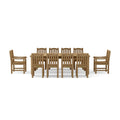
A pergola excels when the structure is meant to frame rather than fully shield the experience. It gives a teak dining collection, fire pit seating area, or pair of loungers a sense of permanence while keeping the setting light and open. Add outdoor curtains, a retractable canopy, or climbing greenery if you want softer shade and a more layered look.
Consider the time of day you use the space, too. West-facing patios often need serious late-afternoon sun management. A gazebo roof can provide immediate relief, while an adjustable-louver pergola gives you the ability to fine-tune shade as the sun moves. In humid regions, the open sides of either structure help maintain airflow, but a pergola generally feels breezier.
Match the structure to your backyard scale
The best structure is not simply the largest one that fits. It should leave room to move around furniture comfortably, pull out dining chairs, and maintain clear paths from the house to the yard. Before choosing a size, mark the footprint with painter's tape on a patio or use stakes and string on grass. Then walk it as if you were carrying a tray, opening an umbrella, or welcoming guests.
A gazebo often becomes the visual center of a backyard, so it works beautifully as a destination at the edge of a garden, beside a pool, or on a generous patio. Its roofline can anchor an open landscape and create a sense of arrival.
A pergola can be equally striking, but it is often easier to integrate close to the home or over an existing deck. Its open silhouette preserves sightlines and helps smaller spaces feel structured rather than crowded. If your patio already has a strong roofline, fence, or mature trees, choose a finish and scale that complements those elements instead of competing with them.
Materials, maintenance, and seasonal confidence
For a structure meant to live outside year after year, material quality matters as much as style. Powder-coated aluminum is valued for its clean look, low maintenance, and resistance to rust. Cedar and other quality woods bring natural warmth, though they need periodic care to retain their finish. Steel can offer strength and presence when it is properly coated for outdoor use.
Look beyond the frame. A gazebo roof should be engineered for your local weather conditions and include thoughtful ventilation, especially in hot climates. Pergola louvers should operate smoothly and direct water appropriately when closed. Privacy screens, curtains, and netting should be easy to secure and store when the season changes.
Installation also deserves an honest look. A freestanding structure needs a level, stable base and secure anchoring to suit the surface and local conditions. Concrete, pavers, decks, and compacted ground each require a different approach. Check homeowner association guidelines and local permit requirements before ordering, particularly for larger permanent structures.
Make the decision with one simple question
Ask whether you are trying to create shade or create shelter. If you want an elegant framework for outdoor living, with sunlight, breezes, and adaptable coverage still part of the experience, choose a pergola. If you want a more protected room outdoors, where dinner, lounging, and celebrations can continue with fewer interruptions, choose a gazebo.
At Oasis Patio Direct, the goal is not to fill a backyard with more pieces. It is to create a place that feels considered, comfortable, and ready for the way you actually live. Choose the structure that makes you more likely to pour another glass, invite a few more people over, and stay outside until the evening feels complete.