Fire Table Versus Fireplace: Which Fits Your Patio?
Share
A beautiful patio needs a reason to stay outside after sunset. When deciding between a fire table versus fireplace, the real question is not simply which one produces more heat. It is which one supports the way you want to gather: relaxed dinners around a glowing centerpiece, quiet late-night conversations, or a lounge area that feels like a private resort retreat.
Both options can transform an underused backyard into a destination worth lingering in. But they create very different room layouts, visual weight, and hosting experiences. The best choice comes down to your space, your seating plan, your local requirements, and how you want the fire feature to work when it is not lit.
Fire Table Versus Fireplace: The Core Difference
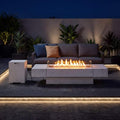
A fire table is a low, table-height fire feature designed to sit at the center of a seating arrangement. Most use propane or natural gas and include a burner pan surrounded by a usable ledge for drinks, small plates, or decor. It acts as furniture first and a source of warmth second, making it especially natural for conversation sets, sectionals, and poolside lounges.
An outdoor fireplace is a vertical architectural feature. It establishes a clear focal point at the edge of a patio, beneath a covered structure, or in a dedicated outdoor room. It can be wood-burning, gas-burning, or electric, though gas and wood are the most common choices for a true fireplace look and feel.
Neither is automatically better. A fire table is usually more flexible and social. A fireplace is more dramatic and grounding. Think of the fire table as the center of the gathering and the fireplace as the backdrop that gives the entire patio a sense of place.
Choose a Fire Table for Flexible, Social Seating
A fire table makes sense when your patio is designed around a central conversation zone. Because people can sit on all sides of it, a fire table naturally keeps groups connected. No one is pushed to the perimeter, and guests can easily set down a drink without leaving the warmth of the flame.
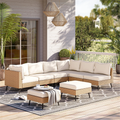
This format works especially well with deep-seating chairs, outdoor sectionals, and swivel loungers. On a compact patio, a round or square fire table can replace a traditional coffee table, giving one piece two jobs. With a burner cover in place, many styles become a fully usable surface during the day.
Propane fire tables are also appealing for homeowners who want a straightforward setup. There is no wood to stack, ash to sweep out, or smoke to manage when the wind changes. A concealed tank compartment keeps the look polished, while a push-button ignition makes a weeknight fireside moment feel effortless.
There are trade-offs. A fire table generally produces less radiant heat than a large fireplace, particularly in an open, windy backyard. The flame is also lower, so it creates ambiance rather than the tall, memorable glow of a hearth. If your priority is gathering six to eight people for cocktails, dessert, or a casual family evening, those compromises are often well worth it.
Choose a Fireplace for a Defined Outdoor Room
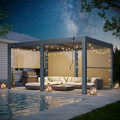
An outdoor fireplace is the stronger choice when you want your patio to feel permanent, intentional, and architecturally finished. Its height draws the eye upward, which can add welcome scale to a large yard or help define an outdoor living area beside a pergola, gazebo, or covered patio.
A fireplace is particularly effective when seating faces one direction. Picture two lounge chairs and a tailored outdoor sofa arranged toward a stone, stucco, or brick surround. The layout feels more like an indoor living room carried into the fresh air, with the fire feature serving as the visual anchor.
For larger gatherings, a fireplace also keeps the center of the patio open. That can be useful near an outdoor dining table, a kitchen island, or a pool deck where you need clear circulation. Rather than asking guests to navigate around a low table and open flame, the hearth stays safely at the edge of the activity.
A wood-burning fireplace delivers the classic crackle, scent, and larger heat output many homeowners love. It also requires more attention. You will need dry firewood, regular cleanup, a suitable chimney or venting design, and enough clearance from structures, trees, and furnishings. Gas fireplaces reduce the mess and offer easier control, but professional gas-line installation may be necessary.
A fireplace is not usually portable once built. That permanence is part of its appeal, but it raises the stakes for placement. Before committing, consider sightlines from inside the home, prevailing wind, privacy, and how the structure will relate to your existing hardscape.
Consider How You Actually Entertain
The right fire feature should make your preferred kind of hosting easier. A fire table encourages face-to-face conversation. It is ideal for friends gathering around a sectional, parents lingering outdoors after dinner, or couples who want a softer focal point beside the pool.
A fireplace creates a more cinematic setting. It suits a patio where guests arrive for a full evening of outdoor dining, lounge seating, and lingering by the hearth. It also has a stronger presence from indoors, which matters if you want the backyard to look inviting through a kitchen window or a wall of glass doors.
If you host in different ways throughout the year, a larger property may have room for both. A fireplace can define the main outdoor living room, while a fire table creates a second destination near the pool, garden, or conversation area. On most patios, though, choosing one well-scaled feature will feel more luxurious than crowding in two competing focal points.
Heat, Fuel, and Maintenance Matter
Fire features are emotional purchases, but the practical details shape how often you use them. Propane fire tables are easy to operate and easy to locate where a gas line is unavailable. The propane tank will need periodic refilling, and the burner should be covered when not in use to protect it from rain and debris.
Natural gas offers the convenience of a continuous fuel supply. It is an excellent long-term option for a fixed fire table or fireplace, but it requires a professionally installed line. Once installed, it can make spontaneous evenings outside feel truly zero hassle.
Wood-burning fireplaces bring unmatched sensory appeal, along with smoke, sparks, ash, and more involved maintenance. They are best for homeowners who genuinely enjoy tending a fire rather than simply turning one on. Local ordinances, HOA rules, and burn restrictions can also affect whether wood-burning is practical in your area.
Regardless of fuel type, measure clearances carefully and follow the manufacturer’s installation requirements. Keep cushions, umbrellas, drapery panels, and low branches outside the required safety zone. For covered patios, confirm that the fire feature is rated for that setting and that ventilation is appropriate.
Match the Feature to Your Patio’s Scale
Scale separates a polished outdoor retreat from a patio that feels crowded. A fire table needs enough room for seating to be pulled back comfortably, plus a clear path around the arrangement. As a general rule, leave enough space for people to sit, stand, and pass behind chairs without brushing against the flame or furniture.
A fireplace needs visual breathing room as well. On a small patio, an oversized masonry hearth can overwhelm the seating area and make the yard feel smaller. A compact gas fireplace or fireplace-style fire feature may offer a better proportion. On a broad terrace, however, a substantial fireplace can prevent the space from feeling empty and give large-scale furniture a worthy counterpart.
Material choices help connect the fire feature to the rest of the setting. Warm teak, neutral performance cushions, stone-toned planters, and powder-coated metal frames can all create a layered, resort-inspired look. A fire table with a clean linear profile pairs beautifully with contemporary sectionals, while a textured stone fireplace can soften a garden-facing patio.
Let the Fire Feature Serve the Whole Season
The best choice is the one that draws you outside more often, not just the one that looks impressive in a product photo. If your patio is where people gather close, snack, and talk, a fire table earns its place every day as a functional centerpiece. If you are building an outdoor room with a lasting sense of architecture and occasion, a fireplace can give the space the presence it has been missing.
Choose the feature that fits your layout before choosing the flame style. With the right scale, safe placement, and comfortable seating around it, even an ordinary evening outside can feel like a getaway.