Fire Pit Tables That Make Patios Feel Complete
Share
A patio can have beautiful seating, a well-designed pergola, and a view worth savoring, yet still feel unfinished once the sun goes down. Fire pit tables change that. They bring a living flame to the center of the setting while giving guests a place to set a drink, share small plates, and stay outside longer.
Unlike a traditional fire bowl, a fire pit table is designed to work as part of the furniture plan. It creates warmth without asking you to build the entire patio around it. For homeowners creating a more polished private retreat, that balance matters.
Why Fire Pit Tables Earn Their Place Outdoors
The best outdoor spaces give people a reason to linger. A fire table does that naturally. It adds a soft layer of light that makes a dinner feel more relaxed, turns a quiet weeknight into an occasion, and gives a poolside lounge area a focal point after dark.
There is a practical advantage, too. Most fire pit tables have a broad ledge around the burner, so they function more like a coffee table or gathering table than a standalone heat source. With the flame off and a fitted burner cover in place, many can serve as an everyday surface for trays, candles, or a casual meal.
This versatility makes them especially useful on patios where every piece needs to earn its footprint. A single well-scaled table can anchor a sectional, define a conversation area beneath a gazebo, or create an inviting center point between a pair of deep lounge chairs.
Start With the Way You Want to Gather
Before comparing finishes or flame styles, consider how the space will be used. The right fire table for a couple enjoying evening cocktails may not be the right one for a family that hosts backyard dinners or friends around the pool.
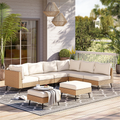
A low, rectangular fire table is often the natural match for an outdoor sectional. Its long profile echoes the shape of the seating and keeps the flame visible from several seats. It also leaves room for a generous perimeter ledge, which is helpful when people are sharing drinks and appetizers.
A round or square fire table creates a more balanced, face-to-face setting. This shape works beautifully with four lounge chairs or a compact conversation set, especially when the goal is to make every guest feel included. Round designs can also soften patios that have a lot of straight lines from decking, pavers, fencing, and structured pergolas.
Height matters as much as shape. Coffee-table-height models feel relaxed and lounge-oriented. Dining-height fire tables can work for meals, though they require appropriately tall chairs and careful attention to leg room beneath the table. If you already have a favorite outdoor seating collection, measure its seat height before choosing.
Choose a Fuel Type That Fits Your Routine
For most residential patios, propane and natural gas are the leading choices. Both offer a clean, easy-to-control flame without the smoke, ash, and wood storage required by a wood-burning fire feature. The better option depends on how permanent you want the installation to be.
Propane offers flexibility
Propane fire pit tables are popular because they can be placed in more locations without a gas line. The tank is commonly concealed inside the base, preserving the table's clean appearance. This is an excellent choice for homeowners who may rearrange their patio, move furniture seasonally, or want a straightforward setup.
The trade-off is that the tank needs to be monitored and replaced or refilled. For occasional entertaining, that is a small task. For a household that uses its fire table several nights a week, keeping a spare tank on hand can prevent a gathering from ending early.
Natural gas suits a permanent retreat
A natural gas fire table connects to an existing gas line, providing consistent fuel without a propane tank to manage. It is an appealing option for a finished patio, covered outdoor room, or pool deck where the layout is unlikely to change.
This convenience comes with planning. Professional installation is generally required, and the table's location becomes more fixed. It is worth considering when you are designing a long-term outdoor living area rather than simply furnishing one for the season.
Get the Scale Right Before You Buy
A fire table should feel generous enough to ground the seating, but not so large that it makes the patio feel crowded. Start by mapping the layout with painter's tape or cardboard. This simple step reveals whether there is enough room to walk comfortably around the table, pull chairs in and out, and access doors or pathways without squeezing past hot surfaces.
For a sectional arrangement, the table is usually most comfortable when it is close enough to reach from the seats but leaves a clear path around the outer edge. In a lounge-chair grouping, allow enough space for guests to move in and out while keeping the flame at a comfortable distance.
Do not focus only on the tabletop dimensions. Account for the chairs, their recline angle, side tables, planters, and any outdoor rug. A large patio can carry a substantial statement piece. A smaller balcony or courtyard may be better served by a compact design with a narrower ledge and a contained flame area.
Materials Should Support Your Climate and Style
Fire pit tables are available in materials ranging from powder-coated aluminum and steel to cast concrete, stone-look composite, and woven designs. The right choice is partly visual, but it should also reflect the climate and level of maintenance you prefer.
Aluminum is a smart choice for many patios because it is lightweight, corrosion-resistant, and easy to coordinate with modern seating. Powder-coated finishes offer a clean, tailored look and can stand up well to changing weather when cared for properly.
Concrete and composite designs bring visual weight. Their sculptural profiles look especially at home beside teak furniture, textured cushions, and natural stone patios. They can make a large outdoor area feel grounded and architectural, though they are heavier to position and may require more care in regions with freeze-thaw conditions.
If your patio receives intense sun, choose finishes intended for outdoor exposure and use a cover when the table is not in use. In coastal or humid regions, regular cleaning is equally worthwhile. Premium outdoor furniture is built for the elements, but a little routine care keeps it looking like an investment rather than a seasonal compromise.
Design the Seating Zone Around Comfort
A fire table works best when it is part of a complete outdoor room. Think beyond the flame itself. Comfortable cushions, side surfaces for each guest, and a layer of shade or shelter can make the space feel intentional from afternoon through late evening.
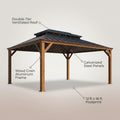
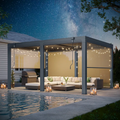
Under a pergola, place the table where the flame has proper clearance from the structure and where smoke-free gas operation supports an easygoing atmosphere. A gazebo or covered patio can feel especially inviting when paired with a low fire table, but always follow the manufacturer's clearance requirements and local codes. Open sides and airflow are essential.
An outdoor rug can define the conversation zone, provided it is sized to sit safely outside the table's heat area. Arrange seating so guests can enjoy the warmth without leaning toward the flame. The result should feel relaxed, not crowded.
For entertaining, add a nearby console or bar cart instead of overloading the fire table's ledge. The surface is ideal for a few glasses and small plates, but it should not become the only place to serve a full meal. Giving the flame room to be seen is part of its appeal.
Safety Is Part of Good Design
A beautiful setup should also be easy to use responsibly. Set the fire table on a stable, level, noncombustible surface whenever possible, and keep it away from overhanging branches, loose fabrics, and high-traffic passages. Never place it in a fully enclosed area.
Review the manual before the first use, including required clearances, ignition instructions, fuel connections, and weather guidance. Check hoses and fittings periodically, keep children supervised around an active flame, and allow the unit to cool fully before covering it.
Wind deserves attention as well. A glass wind guard can help protect the flame and improve the experience on exposed patios, but it does not replace appropriate placement. If the weather is particularly gusty, it may be better to save the fire for a calmer evening.
A fire table is not simply another item on the patio. It is where conversation gathers after dinner, where the last guests tend to stay, and where an ordinary Tuesday can feel like time away. Choose one that fits your space, your climate, and the way you host, then let the rest of the patio rise to meet it. That is the kind of outdoor living Oasis Patio Direct believes is worth lingering in.