How to Choose Pergola Materials That Last
Share
A pergola can turn an exposed patio into the place everyone naturally gathers: coffee in the morning, a long lunch by the pool, dinner that lingers after sunset. But before choosing a color or a curtain panel, you need to choose pergola materials that suit the way your outdoor space lives. The right material affects more than appearance. It determines how much upkeep your structure asks of you, how it handles local weather, and whether it still feels like a polished part of your home years from now.
For most homeowners, the best choice comes down to three things: your climate, your preferred level of maintenance, and the look you want to carry through the rest of the backyard. A warm, natural wood pergola and a crisp powder-coated aluminum design can both create a resort-inspired retreat. They simply ask for different things in return.
Choose Pergola Materials Around Your Climate
Start with the conditions your pergola will face all year, not just on the first perfect weekend after installation. Direct sun, coastal salt air, freeze-thaw cycles, heavy rain, wind, and humidity all influence which material will feel like an enduring investment instead of another weekend project.
In hot, sunny regions, UV exposure is the main consideration. Wood can remain beautiful in full sun, but it needs a quality exterior finish and periodic care to prevent drying, fading, or surface checking. Aluminum is especially appealing in intense sun because it will not warp, rot, or crack. A quality powder-coated finish also holds its color well, giving poolsides and modern patios a clean, tailored presence.
In humid or rainy climates, prioritize materials that resist moisture. Aluminum performs exceptionally well here. Vinyl is also moisture-resistant and easy to clean, though its bright, uniform look may not suit every architectural style. For wood, choose a naturally durable species and make sure the design allows water to drain freely rather than collect around posts, beams, or hardware.
Coastal homeowners should be particularly selective. Salt-laden air is hard on exposed metal hardware and lower-grade finishes. Look for corrosion-resistant construction, dependable protective coatings, and hardware designed for exterior use. Even the best pergola benefits from an occasional fresh-water rinse near the coast.
Snow and wind introduce another question: structural engineering. The material matters, but so do beam dimensions, anchoring, roof design, and local installation requirements. A louvered roof or retractable canopy can be a wonderful shade solution, but moving components should be rated for the conditions where you live. When weather is serious, the pergola needs to be serious too.
The Main Pergola Materials, Honestly Compared
Aluminum: refined, low-maintenance performance
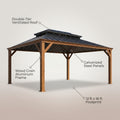
Aluminum pergolas are a favorite for homeowners who want a polished outdoor room without the ongoing maintenance of natural wood. They are lightweight yet strong, moisture-resistant, and naturally protected against rust. In premium designs, a durable powder coat provides a smooth architectural finish that complements contemporary homes, outdoor kitchens, and pool decks.
The biggest advantage is freedom from regular staining, sealing, and sanding. Routine care is usually limited to rinsing away pollen and wiping down areas that collect dirt. Aluminum also works beautifully with adjustable louvers, integrated gutters, privacy walls, and motorized shade systems, making it a natural fit for a backyard designed around flexible comfort.
The trade-off is warmth. Aluminum does not have the natural grain and depth of real wood. Some designs use wood-look finishes, but they still read differently up close. If your home has cedar siding, a traditional garden setting, or a deeply organic landscape plan, a genuine timber pergola may feel more at home.
Wood: natural character with a care commitment
Wood brings something no manufactured finish fully duplicates. Its grain, texture, and variation make a pergola feel established from day one. It can soften a stone patio, add warmth to a modern exterior, and make a garden dining area feel like a destination worth lingering in.
Cedar and redwood are valued for their natural resistance to insects and decay. Pressure-treated lumber is often more budget-friendly and widely available, but it may require more attention to appearance over time. Teak is exceptionally durable and luxurious, though its cost places it in a different category of outdoor investment.
A wood pergola needs regular inspection and a maintenance plan. Depending on exposure, that may mean cleaning and reapplying stain, oil, or sealant every one to three years. This is not necessarily a drawback. Many homeowners enjoy how wood develops character, especially when it is maintained with care. The key is being realistic: if the goal is zero hassle, aluminum may be the better match.
Vinyl: clean and practical, with design limits
Vinyl pergolas are easy to care for, resistant to rot and insects, and often available in a classic white finish. They can be an excellent choice for traditional homes, bright garden spaces, and homeowners who want a consistently neat look without repainting or sealing.
Still, vinyl is not the answer for every setting. It can feel less substantial than wood or aluminum, and lower-quality versions may discolor, become brittle, or show wear after prolonged sun exposure. Vinyl can also have limited color and customization options. If your patio design calls for charcoal, bronze, black, or the texture of natural timber, another material may offer a more elevated result.
Steel: strength for substantial structures
Steel has impressive strength and can support bold, architectural pergola designs with slim profiles or wide spans. It is particularly useful when a structure needs to cover a large entertaining area or integrate with a more custom-built setting.
Its weakness is corrosion risk if the finish is compromised. Galvanized or properly coated steel can perform well, but chipped areas and joints deserve attention, especially in wet or coastal climates. Steel structures also tend to be heavier and may require more involved installation. For a large statement pergola, that added planning can be worthwhile.
Consider the Roof and Shade System Too
Posts and beams get most of the attention, but the roof treatment determines how usable your pergola becomes at noon, in light rain, and through shifting seasons. A traditional open-slat roof creates visual structure and filtered light, yet it does not offer dependable rain protection. It works well over a garden seating area where a little sun is part of the experience.
For more control, consider a retractable canopy, fixed shade panels, or adjustable louvers. A louvered aluminum pergola can shift from open sky to cooling shade with a simple adjustment, then close when a passing shower arrives. That flexibility is especially valuable over an outdoor dining table, sectional, or kitchen where plans should not end because the weather changes.
Make sure the roof system is compatible with the main structure and properly channels water. A pergola intended for rain protection should have a clear drainage plan, not just a roof that looks weather-ready in product photos.
Match the Material to Your Home and Furniture
A pergola should make the backyard feel more intentional, not like an unrelated structure dropped onto the patio. Look at the finishes already present: the home’s siding, window trim, deck boards, pavers, fencing, and outdoor furniture.
Black or bronze aluminum can give a clean visual frame to pale stone, concrete, and modern outdoor sectionals. White vinyl pairs naturally with classic architecture and colorful garden planting. Wood harmonizes with teak furniture, brick, natural stone, and layered landscaping. If your goal is a private retreat with a relaxed, resort-style mood, warm wood tones and woven textures create an inviting foundation. If you prefer a more tailored poolside feel, aluminum offers calm, lasting structure.
Scale is just as important as finish. A delicate pergola can disappear over a large dining set, while an oversized structure can overwhelm a compact patio. Measure the furniture arrangement with chairs pulled out and pathways in use. Your pergola should shelter the experience, not crowd it.
Do Not Overlook Hardware, Footings, and Maintenance Access
A beautiful material cannot compensate for poor anchoring or exposed hardware that fails early. Ask how the pergola is secured to the ground, deck, or existing structure, and verify that the surface can carry the load. Permanent installations may require concrete footings, permits, or HOA approval depending on your area.
Also consider where leaves, pollen, and rainwater will collect. Can you safely reach louvers, gutters, and upper beams for seasonal cleaning? Can curtains or privacy panels be removed when a storm is expected? These small practical details protect the relaxed, effortless feeling you want the space to have.
The best pergola material is the one that supports your actual routine. Choose warm, finished wood if you value natural character and are happy to care for it. Choose aluminum if you want durable, design-forward shade with minimal upkeep. Then furnish the space with the same intention, and an ordinary patio begins to feel like the private getaway waiting just outside your door.