Best Outdoor Furniture Covers for Every Season
Share
A beautiful outdoor seating area can lose its inviting feel quickly when cushions are damp, teak is coated in pollen, or a sectional is collecting leaves after every storm. The best outdoor furniture covers preserve the comfort and clean-lined look you invested in, so your patio is ready for unplanned dinners, slow weekend mornings, and evenings around the fire pit.
A cover is not simply a sheet of fabric thrown over a table or sofa. The right one manages rain, sun, wind, condensation, and everyday debris without trapping moisture against the furniture beneath it. That balance is what separates a cover that protects your private retreat from one that creates more work come spring.
What Makes the Best Outdoor Furniture Covers?
The best cover is the one designed for your furniture, climate, and how often you use the space. A poolside lounge set in Arizona faces a different challenge than a deep seating collection on a humid Florida porch or a dining set exposed to Midwestern snow. There is no single fabric weight or feature that wins everywhere.
Start with the material. Polyester is a common choice because it is lightweight, manageable, and often treated for water resistance and UV protection. Higher-quality polyester fabrics with a protective backing offer a good balance for most patios, especially when they include reinforced seams. Vinyl or PVC-backed covers can shed heavy rain well, but they may feel stiff and can hold heat and humidity if ventilation is limited.
For premium furniture, choose fabric that is water-resistant or waterproof while still allowing air to circulate. This distinction matters. A waterproof cover blocks rain, but if it seals in humid air beneath it, condensation can encourage mildew on cushions and leave moisture against wood or metal frames. Water-resistant, breathable fabric may be the better everyday choice in damp or humid regions, particularly for teak seating and upholstered outdoor pieces.
Construction deserves just as much attention as fabric. Look for taped or double-stitched seams, reinforced stress points, covered vents, and hems that will not fray after a season in the sun. A durable cover should feel substantial without becoming so heavy that using it turns into a two-person chore.
Fit Matters More Than Most Homeowners Expect
An oversized cover can catch wind, pool rainwater, and look untidy. One that is too tight can strain seams, expose furniture legs, and make removal frustrating. Measure each piece before ordering, including the widest arms, highest back cushions, table umbrellas, and any unusual silhouette created by a chaise lounge or swing bed.
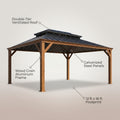
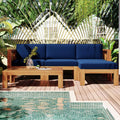
For sectionals, it is usually better to cover each module or use covers made for the configuration rather than forcing one large rectangle over the entire arrangement. A tailored shape reduces wind movement and prevents water from gathering in the low areas between seats. If your sectional is arranged beneath a pergola or gazebo, remember that angled rain and windblown debris can still reach it.
Dining sets need a little extra thought. Measure the table with chairs pushed in if you plan to cover the full grouping. For a cleaner fit, some homeowners prefer a table-and-chair cover for long-term protection, then a separate table cover for the periods when the chairs are used frequently. This approach makes it easier to set the patio for a casual lunch without uncovering and recovering every piece.
A slight allowance is helpful, but avoid guessing. Compare your measurements with the cover dimensions and consider the full drop length. A cover that reaches close to the ground protects better from splashing rain and dirt, yet it should not drag on the patio where it can wick moisture or wear through.
Secure the Cover Without Trapping Water
Elastic hems, drawcords, buckle straps, and leg ties all help a cover stay in place. For exposed decks, straps that fasten around furniture legs offer the most reliable hold in gusty weather. A drawcord is useful for rounded pieces such as loungers or fire pit tables, but it should cinch evenly rather than create a loose, balloon-like shape.
Wind resistance should not come at the expense of airflow. Covered mesh vents allow humid air to escape while helping block rain from entering. They are especially valuable for deep sofas, dining sets with thick cushions, and furniture stored near a lawn, garden, or pool where moisture is common.
Water pooling is another concern. A cover cannot perform well if rain settles in a broad dip across the top. Use an appropriately placed support pole, a clean bucket turned upside down, or a purpose-made elevation support to create a gentle peak. Never use a sharp object that could puncture the fabric or damage the furniture finish.
Match Your Cover to the Furniture Material
A cover protects every outdoor material differently. Teak is naturally durable and well suited to changing weather, but a breathable cover helps prevent surface moisture from lingering. If you want teak to weather naturally to a soft silver-gray, keeping pollen, bird droppings, and falling leaves off the wood can reduce the amount of seasonal cleaning required.
Powder-coated aluminum and steel frames benefit from protection against standing water, airborne salt, and seasonal grime. Even durable finishes last longer when they are not constantly exposed to wet leaves or residue. For wrought iron, make sure the cover does not trap moisture against chips in the finish, since that is where rust can begin.
Cushions need the most careful approach. If cushions are labeled weather-resistant, that does not mean they should remain wet for days under a non-breathable cover. On dry, mild days, remove the cover periodically so the furniture can air out. Before covering after rain, brush off standing water and allow cushions to dry whenever possible.
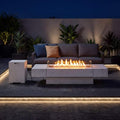
Wicker and resin wicker are often easy to cover, but their texture can create pockets where water collects. A fitted cover with adequate height and a raised center helps rain run off instead of settling into the weave. For a fire pit, wait until all surfaces are completely cool and ashes are properly managed before placing a cover over it.
How to Choose for Your Climate and Routine
If your patio is used almost daily, convenience may matter as much as maximum coverage. A moderately weighted cover with easy-release buckles is more likely to be used than a heavy option that takes several minutes to manage. The goal is not to make outdoor living feel protected behind a barrier. It is to keep the space ready when you want it.
In high-sun areas, prioritize UV-resistant fabric and fade-resistant thread. Sun can weaken inexpensive covers long before rain becomes an issue. In rainy climates, focus on seam construction, ventilation, and a shape that sheds water. In snowy regions, remove heavy snow promptly rather than allowing its weight to sit on furniture or stretch the cover for weeks.
Coastal homeowners should look for covers that can be cleaned easily and secured firmly. Salt air, wind, and fine sand can wear on both fabric and fasteners. Rinsing the cover periodically with fresh water and allowing it to dry fully can extend its usable life.
For furniture beneath a gazebo, covered porch, or pergola, a lighter cover may be enough for day-to-day dust and pollen. But overhead structures do not eliminate moisture, especially when storms arrive sideways. Choose based on actual exposure, not just whether there is a roof above the furniture.
Care That Keeps Covers Looking Polished
A quality cover needs occasional care to continue doing its job. Shake off leaves and debris before they become damp and stain the fabric. Clean it with mild soap, water, and a soft brush when needed, then let it dry completely before folding. Avoid harsh bleach or abrasive cleaners unless the manufacturer specifically permits them.
Check straps, seams, and vents at the beginning and end of each season. Small tears are easier to address before they become a failed seam during a storm. When the cover is not in use, store it clean and dry in a breathable storage bag rather than sealing it into a damp plastic bin.
The right cover should disappear into your routine: easy to secure before a storm, easy to remove when guests arrive, and dependable enough that your furniture always feels like part of a destination worth lingering in. Choose for the way you truly live outdoors, and your patio will stay ready for the next gathering instead of waiting for a cleanup day.