Best Furniture for Covered Porches That Lasts
Share
A covered porch has one major advantage over an open patio: it already feels like a room. The best furniture for covered porches builds on that advantage with the comfort, scale, and materials to make the space feel like a true extension of your home - not a waiting area between the house and the yard.
A roof offers meaningful protection from direct sun and rain, but it does not make outdoor furniture maintenance-free. Wind-driven moisture, humidity, pollen, temperature changes, and morning condensation still matter. The right pieces should look refined under shelter while standing up to the conditions that reach the edges of the roofline.
Start with how you want the porch to live
Before choosing a collection, decide what your covered porch needs to do most often. A front porch may be a quiet place for coffee and conversation. A deep back porch may need to host family dinners, game days, and long evenings after the sun goes down. Furniture should support that primary purpose before it fills every available square foot.
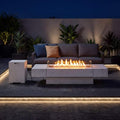
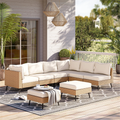
For a lounging-first porch, deep seating is usually the strongest foundation. A sofa, loveseat, or modular sectional creates the relaxed feeling people expect from a private retreat. Add a pair of occasional chairs if the footprint allows, then place a substantial coffee table or low fire table at the center. The result is a space that invites people to stay rather than perch for a few minutes.
If meals are the priority, begin with the dining table. Leave enough room for chairs to pull out comfortably, plus a clear walking path to doors, steps, and railings. A porch that technically fits eight dining chairs but makes guests squeeze past them will never feel generous. In many spaces, a well-proportioned round table for four or six creates a better hosting experience than an oversized rectangular set.
Some porches need to do both. In that case, create distinct zones: dining closer to the door for easy serving, and lounge seating toward the view or the quieter end of the porch. A slim console, outdoor rug, or change in furniture orientation can define each area without adding visual clutter.
The best furniture for covered porches by use
Deep seating for everyday comfort
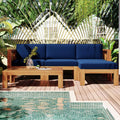
Deep seating earns its place on larger covered porches because it delivers the feeling of an indoor living room with the durability required outdoors. Look for supportive seat cushions, generously proportioned backs, and frames that feel substantial rather than lightweight. A low-profile sectional can make a wide porch feel calm and contemporary, while a sofa-and-chair arrangement offers more flexibility when you like to rearrange for guests.
The trade-off is scale. Plush seating has depth, often 32 to 38 inches, and that measurement can quickly narrow a porch. Measure from the wall to the railing, not just the overall length. You want enough circulation space that someone can cross the porch carrying a tray without asking everyone to move.
Teak seating for an enduring look
Teak is especially well suited to covered porches because it brings warmth and architectural presence without feeling overly formal. Its natural oils help it withstand moisture, and its dense grain holds up beautifully through changing seasons. Under a roof, teak often develops a graceful patina more slowly than it would in full exposure, although its color will still evolve over time.
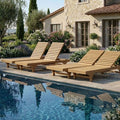
A teak bench, lounge chair, or full seating collection makes sense when the porch is visible from interior rooms and you want the furniture to feel considered year-round. Pair it with tailored cushions in performance fabric for a look that is polished but welcoming. If you prefer teak to retain its golden-brown tone, plan on occasional care. If you love the soft silvery finish that develops naturally, let the wood age on its own.
Dining sets made for lingering
Covered porch dining should feel more relaxed than eating indoors, but the table still needs to work hard. Choose a surface that accommodates serving dishes, drinks, and the inevitable extra chair. Teak dining tables offer a timeless, resort-inspired presence, while powder-coated aluminum tables are a smart choice for a lighter, more contemporary profile.
Chair comfort matters more here than in an open patio setting. A covered porch encourages guests to linger after dinner, so consider dining chairs with supportive arms or seat cushions. If your porch is compact, armless chairs can preserve valuable inches and tuck more neatly beneath the table.
Rockers, porch swings, and swing beds
Some furniture belongs on a covered porch because the setting makes it better. Rocking chairs offer easy, timeless comfort on a front porch. A porch swing adds movement and charm, especially when it faces a garden or neighborhood view. For a larger covered patio, a swing bed creates the kind of destination worth lingering in - part seating, part afternoon escape.
These pieces require more planning than a standard chair. Confirm load capacity, mounting requirements, clearance behind and beside the swing, and whether your ceiling structure can safely support it. A freestanding swing bed can be the more practical answer when structural mounting is not an option.
Choose materials for shelter, not just appearance
A roof reduces exposure, but side rain and humid air can still reach furniture. Material choice should reflect your local climate, how enclosed the porch is, and how much upkeep you want to take on.
Powder-coated aluminum is a reliable choice for homeowners who want low-maintenance strength. It resists rust, is easy to move, and works well in both lounge and dining settings. Wicker made from high-density resin offers texture without the fragility of natural fibers, making it a comfortable fit for coastal, traditional, and transitional homes. Avoid untreated natural wicker unless the porch is fully screened and exceptionally dry.
Teak is a premium investment for good reason. It has the weight, warmth, and outdoor performance to anchor a porch for years, especially when built with quality joinery and hardware. It costs more up front, but it can deliver a more enduring result than replacing lighter furniture every few seasons.
Steel and iron can look striking on a protected porch, particularly in classic or farmhouse-inspired settings. They need more attention in humid or coastal regions, where scratches or worn finishes can become rust points. If you choose metal, inspect it periodically and address chips before they spread.
Do not treat cushions as an afterthought
Cushions are where a covered porch becomes genuinely livable. Even under a roof, choose outdoor-rated foam and performance fabric designed to resist fading, mildew, and everyday spills. Covered porches may receive less direct sunlight, but reflected light and late-afternoon exposure can still fade lesser fabrics over time.
Consider your local weather honestly. In dry climates, cushions can often remain outside for most of the year with occasional cleaning. In humid, rainy regions, ventilated storage boxes or a nearby indoor storage spot will help preserve their shape and freshness. Remove cushions before a major storm if wind can carry rain onto the porch.
Color also changes how the porch feels. Sand, warm gray, olive, and navy offer a composed, easy-to-style base. Lighter fabrics brighten a shaded porch but show pollen and spills more readily. Darker tones can feel grounded and forgiving, though they may absorb more heat where sunlight reaches the seating edge.
Get the proportions right before you order
The most beautiful furniture can disappoint when it is out of scale. Start by mapping the porch with painter's tape, including the depth of sofas, chairs, table edges, and door swings. This takes a few minutes and prevents the common mistake of furnishing only for the view from inside rather than for real movement outside.
Keep primary pathways at least 30 to 36 inches wide where possible. Around dining tables, allow roughly 36 inches from the table edge to a wall or railing so chairs can move freely. On narrow porches, choose fewer, better pieces: perhaps two lounge chairs and a side table instead of a cramped loveseat, coffee table, and extra accent chairs.
Ceiling height matters, too. A low porch roof often looks best with furniture that has an open profile and lower backs. A tall, vaulted cover can handle more substantial deep seating, large planters, and a statement swing bed without feeling crowded.
Finish the room without overfilling it
Once the main furniture is in place, add only the layers that improve comfort. An outdoor rug can establish a lounge zone and soften a hard surface. Side tables keep drinks and books within reach. Planters, lanterns, and soft lighting bring the warmth that turns a functional porch into an evening retreat.
Resist the urge to fill every empty corner. Open space is part of the luxury of a covered porch. It gives the furniture room to breathe, makes hosting easier, and preserves the view that brought you outside in the first place.
Choose furniture that suits your actual routines, not just a styled photo. When every seat is comfortable, every pathway is clear, and every material can handle the season ahead, your covered porch becomes the place where an ordinary Tuesday evening feels a little more like a getaway.