12 Backyard Privacy Panel Ideas That Look Luxe
Share
The best backyard privacy panel ideas do more than block a neighbor’s view. They shape the feeling of the space itself, turning an exposed patio, poolside, or deck into a destination worth lingering in. The right panel can frame a dining area, soften afternoon sun, shelter a lounge, and give your outdoor furniture the sense of enclosure that makes it feel like an outdoor room.
Privacy does not have to mean closing everything off. A well-planned screen creates separation while preserving breezes, garden views, and the open-air ease that makes a backyard so inviting. Start by considering what you want to hide, where the sun falls, and whether your panel needs to stand up to wind, rain, or year-round heat.
Backyard Privacy Panel Ideas for a Polished Retreat
1. Frame a pergola with slatted wood screens
Vertical or horizontal wood slats bring warmth and architectural definition to a pergola. Use them along one side to block a close sightline while leaving the other sides open for airflow and views. The look feels intentional rather than improvised, especially when the slat finish complements your dining table, sectional, or decking.
For longevity, choose naturally durable wood, treated lumber, or a weather-resistant composite. Narrower gaps offer greater privacy, while wider spacing creates a lighter, more open effect. This is one of the strongest choices for homeowners who want a custom, built-in look without making the patio feel enclosed.
2. Add bamboo panels for organic texture
Bamboo privacy panels give a backyard an easy resort character. Their warm color and natural variation pair especially well with teak furniture, woven seating, stone pavers, and lush planting. They are a practical way to soften a plain fence or define the edge of a covered patio.
Bamboo works best in a protected location or when properly sealed for outdoor use. In humid climates, make sure the panel has room to dry after rain. It is a beautiful material, but it needs occasional care to keep its color and structure looking refined.
3. Use metal screens as outdoor art
Laser-cut metal privacy panels offer privacy with personality. Botanical patterns, geometric designs, and clean linear motifs cast shifting shadows across a patio as the day moves, creating visual interest even when you are not entertaining. Powder-coated aluminum is a smart option because it resists rust and requires very little maintenance.
A decorative screen is ideal where you need partial coverage rather than a solid wall. Place one behind a pair of loungers, at the end of a pool deck, or beside an outdoor fire feature. The open pattern preserves light and airflow while giving the area a more finished, design-forward presence.
4. Create a green wall with trellises and vines
A trellis covered in climbing plants makes privacy feel alive. Jasmine, clematis, climbing roses, and certain evergreen vines can create a fragrant, layered screen that changes with the seasons. This approach is especially effective around a garden seating area, where the goal is less about a hard boundary and more about a sense of escape.
The trade-off is patience. A living screen takes time to fill in, and it requires pruning, watering, and a sturdy support structure. For more immediate coverage, combine a trellis with planter boxes and tall grasses while the vines mature.
5. Define a lounge with movable planter screens
Freestanding planters with built-in trellises or panel inserts are a flexible answer for patios that need privacy in one season and open space in another. Fill them with ornamental grasses, boxwoods, or layered greenery, then position them around a sectional or daybed to create a sheltered conversation zone.
This approach is particularly useful for renters, townhomes, and smaller patios where permanent construction is not practical. Choose substantial planters with a broad base, especially in breezy areas. A screen that looks elegant but shifts in a strong wind is not the carefree retreat you had in mind.
6. Hang outdoor curtains around a covered structure
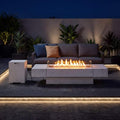
Soft outdoor curtains instantly change the mood of a gazebo or pergola. Draw them closed for privacy during dinner, afternoon shade, or a quiet evening by the fire pit, then tie them back when you want the space to feel open. Neutral performance fabric keeps the effect calm and elevated, while deeper tones can make a large patio feel more intimate.
Use UV-resistant, mildew-resistant fabric and hardware designed for exterior use. Curtains are not the best answer for high-wind exposure, but in a protected setting, they offer a level of flexibility that fixed panels cannot match.
Privacy Panels That Work Harder
7. Pair a louvered panel with an adjustable pergola
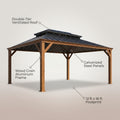
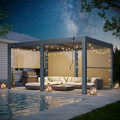
For homeowners who want control over both sunlight and sightlines, louvered panels are worth considering. Adjustable louvers can angle toward a neighboring window, block late-day sun, or open to welcome a breeze. When paired with a pergola that has an adjustable roof, the result is an outdoor room that adapts to the weather and the occasion.
This is an investment-focused choice, but it delivers a polished, integrated look. It also makes sense for patios used often, where one structure needs to support coffee in the morning, family dinners, and relaxed nights outdoors.
8. Use a solid fence extension where privacy is nonnegotiable
Sometimes the view calls for a more complete solution. A fence topper or vertical extension can add height to an existing boundary and block direct views from adjacent homes. Match the material to the fence when possible, or use a contrasting finish deliberately, such as black metal above warm cedar.
Before building upward, check local codes, HOA rules, and property-line requirements. A solid screen offers reliable coverage, but it may also reduce airflow and cast more shade over nearby plants. The best placement often solves the specific view problem without surrounding the entire yard.
9. Float a panel behind an outdoor dining table
A privacy panel does not have to sit on the property line. Place a screen several feet behind an outdoor dining set to create a visual backdrop and give the table a more grounded, room-like feeling. It can conceal a storage area, a utility box, or an unremarkable fence while setting the stage for dinner parties.
Choose a panel that is wider than the table or centered on its long axis. Add planters, lanterns, or a pair of outdoor sconces nearby to make the arrangement feel deliberate after sunset.
10. Screen one side of a pool lounge area
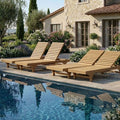
Poolside privacy is often about comfort as much as visibility. A slatted, metal, or composite panel beside chaise lounges can block a direct neighbor view without making the pool deck feel boxed in. It also gives towels, greenery, and outdoor accents a more composed backdrop.
Choose materials that tolerate splash zones and intense sun. Composite and powder-coated aluminum are especially low-maintenance choices, while natural wood brings more warmth but will need periodic refinishing.
11. Use a folding screen for occasional coverage
A weather-ready folding screen offers an easy solution for changing needs. Position it beside a swing bed, near a hot tub, or around a small bistro set when guests are over. When you need more open floor space, fold it away.
This option is less secure than a mounted panel, so it is best for sheltered locations. Still, it can be a smart finishing layer for a patio that already has some coverage but needs a little more intimacy.
12. Build a layered privacy plan instead of one tall wall
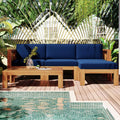
The most inviting backyards often use several lighter elements rather than a single imposing barrier. A low planter, a slatted panel, a canopy overhead, and tall ornamental grasses can work together to create privacy at seated height while preserving a sense of openness above.
This layered approach feels especially at home around premium outdoor furniture. It lets a sectional, teak dining set, or fire pit remain the focal point while the surrounding elements quietly do their job. Oasis Patio Direct approaches outdoor living with that same balance: substantial comfort, thoughtful structure, and details that make the entire space feel considered.
Choose Materials for Your Climate and Routine
A privacy panel should suit how you actually use your backyard. Powder-coated aluminum and composite materials are excellent for homeowners who want clean lines with minimal upkeep. Cedar, teak, and bamboo offer richer natural texture, but they benefit from seasonal cleaning and protective care. Fabric curtains are inviting and adaptable, yet they need to be secured or stored when storms are expected.
Also consider the view from inside your home. A screen may give you privacy outdoors, but it should not turn a favorite kitchen or living-room window into a wall. Leave openings where you want to preserve a garden view, and position solid sections where they will make the greatest difference.
The most successful privacy panel is not simply the tallest one. It is the one that gives your favorite outdoor spot a sense of shelter, lets the air move freely, and makes every evening outside feel a little more like a getaway.