Why Invest in Premium Outdoor Structures: A 2026 Guide
Last Updated: October 23, 2026
Quick Summary
Investing in premium outdoor structures pays off through reclaimed square footage, protection for what you store and entertain with, lower long-term cost than renting storage or replacing cheap furniture, and a yard that finally matches the house. Premium construction front-loads cost into materials that hold, so the real comparison is one durable structure versus three replacement cycles.
- Cheap structures fail at the joints first, with fasteners rusting and covers tearing within a season or two.
- A 10x12 cedar pergola with an arched roof runs $1,499.97 in our collection.
- A 12x20 aluminum louvered pergola with an adjustable roof runs $4,909.00.
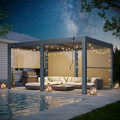
- Our louvered pergola is rated to withstand wind speeds up to 45 mph and snow loads up to 2,500 lbs.
- Get permits, zoning, and HOA approvals in writing before delivery, not after you order.
Table of Contents
- Why Premium Outdoor Structures Pay Off
- The Benefits of a Pergola: Shade, Privacy, and Outdoor Living
- Pergola Installation Cost: What You Pay Upfront and Over Time
- How to Anchor a Pergola on Concrete for Wind and Weather
- Do Outdoor Structures Increase Home Value? What Appraisers Look For
- Comparing Materials: Wood, Metal, and Vinyl Structures
- Permits, Zoning, and HOA Rules for Backyard Structures
- Conclusion
- Frequently Asked Questions
Why Premium Outdoor Structures Pay Off
A premium outdoor structure is a built addition to your property, such as a pergola or hardtop gazebo, that extends usable living space into the yard and protects it from sun, rain, and wind. The payoff is most clearly seen in how often a backyard goes from unused to used daily. The case for investing in premium outdoor structures rests on four returns: reclaimed square footage, protection for what you store and entertain with, lower long-term cost than renting storage or replacing cheap furniture, and a yard that finally matches the house.
Cheap structures fail at the joints first. Fasteners rust, roofs sag, and covers tear within a season or two, so you repurchase instead of enjoying. Premium construction front-loads that cost into materials that hold.
The Benefits of a Pergola: Shade, Privacy, and Outdoor Living
The benefits of a pergola come down to control: you decide how much sun reaches the patio, how much privacy the space offers, and how many months a year you actually use the yard. A slatted roof filters harsh afternoon light while keeping air moving, which matters more in hot climates than solid shade. Add curtains or a louvered roof and the same footprint becomes a dining room, a reading corner, and an evening entertaining space.
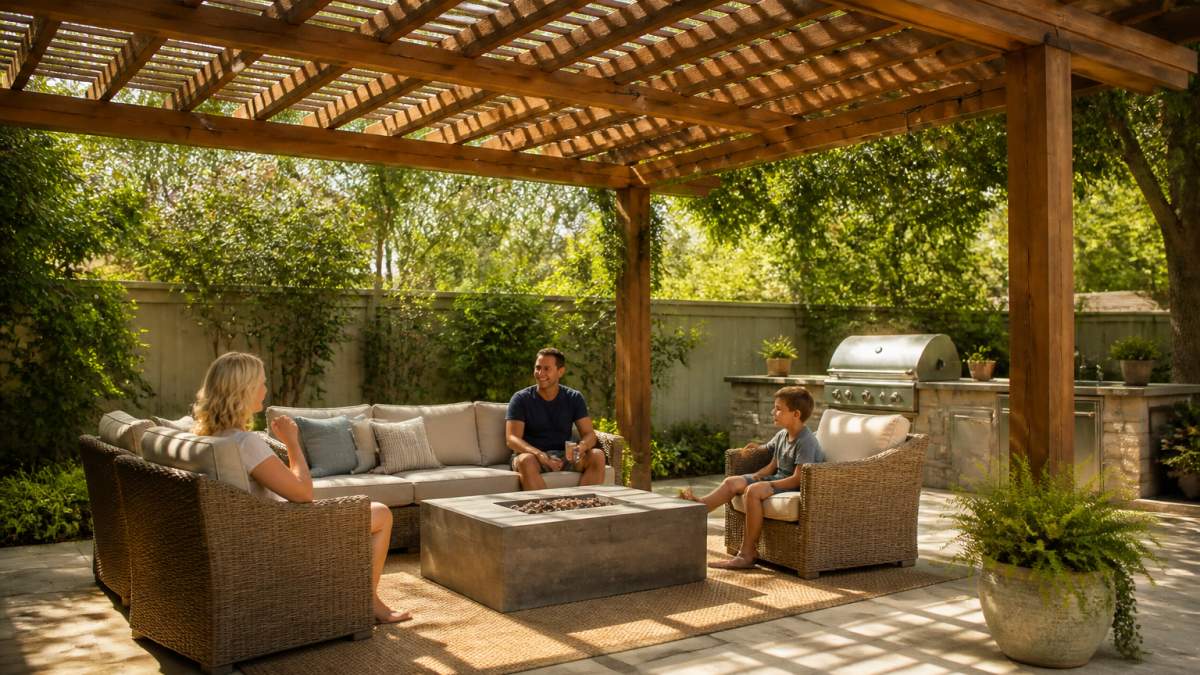
Flexibility is the underrated benefit. A pergola suits a quiet morning coffee and a twelve-person dinner equally well, and it does not lock the yard into one layout the way a full addition would.
Pergola Installation Cost: What You Pay Upfront and Over Time
Pergola installation cost splits into six line items, and the only honest way to judge a premium structure is to add all six across a realistic horizon and compare that total to the recurring costs it replaces. Most buyers compare sticker prices and stop there, which is why the ownership math so often surprises them later.
The six cost categories:
| Cost Category | What It Covers | When It Hits |
|---|---|---|
| Structure | Frame, roof, hardware, curtains | One-time purchase |
| Site preparation | Leveling, footings, anchoring, drainage | One-time |
| Delivery | Freight, liftgate, curbside vs. placement | One-time |
| Assembly | DIY labor or hired crew | One-time |
| Maintenance | Cleaning, fastener checks, finish touch-ups | Annual |
| Repair and replacement | Cushions, curtains, minor parts, re-staining | Every few years |
Structure price tracks size and material more than anything else. In our collection, a 10x12 cedar pergola with an arched roof runs $1,499.97, while a 12x20 aluminum louvered pergola with an adjustable roof runs $4,909.00. Site prep is the variable most homeowners underestimate, because a level base or concrete footings can rival the structure price depending on your yard's slope and soil.

To make the comparison fair, put both options on the same timeline. A premium structure is a single large outlay followed by small annual upkeep. Rented storage and repeated furniture replacement are small outlays that never stop. Over a ten-year horizon, the structure's cost per year falls every season it stays in service, while the rental and replacement lines stay flat or rise with inflation. That crossover point, the year cumulative ownership cost drops below cumulative rental and replacement cost, is the number that actually matters, and it arrives sooner than most people expect when site prep is done right the first time.
How to Anchor a Pergola on Concrete for Wind and Weather
Anchoring a pergola on concrete means fixing the posts to the slab with base plates and masonry fasteners rated for the load, then sealing the penetrations so water cannot enter. The exact hardware depends on your slab and local wind requirements, so confirm the specification with a qualified installer or your local building department before drilling.
The sequence that works:
- Mark post positions and confirm they are square.
- Drill holes matched to the fastener diameter.
- Set base plates and tighten fasteners to the manufacturer's torque.
- Seal around each penetration.
- Check plumb and recheck after the first strong wind.
Our louvered pergola is rated to withstand wind speeds up to 45 mph and snow loads up to 2,500 lbs, which gives you a documented starting point for the conversation with your installer.
Do Outdoor Structures Increase Home Value? What Appraisers Look For
Outdoor structures can increase home value, but the lift is rarely dollar-for-dollar, and understanding why requires knowing how appraisers actually treat them. A pergola, gazebo, or shed is generally classified as an improvement to the site rather than a room addition, which means it contributes to appraised value through contributory value, the amount a typical buyer in your market would pay for it, not through a line-item formula. That distinction is the single most useful thing to understand before you count on resale to justify the purchase.
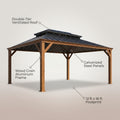
[10X12FT] Heavy-Duty Premium Outdoor All-Season Wooden Cedar Hardtop Gazebo →
What tends to count in your favor:
- A structure that matches the home's materials, roofline, and scale
- Clear evidence of permits where required, kept with the home's records
- Solid footings, clean drainage, and no signs of movement or rot
- A defined purpose, such as shade over a seating area, that a buyer can picture using
- Condition that reads as maintained rather than deferred
What works against you:
- A structure that looks bolted on or out of proportion to the house
- Missing permits or unapproved HOA modifications that surface during a sale
- Visible sagging, rust, or water damage that a buyer's inspector will flag
- Overbuilding for the neighborhood, where the structure's cost exceeds what local buyers will pay for it
Be realistic about the ceiling. Outdoor improvements support resale appeal and curb appeal more reliably than they generate a specific appraisal line item, and the added value depends on quality, condition, buyer demand, and local market conditions at the time of sale. Treat the value case as a bonus, not the primary reason to buy. The stronger case for a premium structure is the use you get out of it every season, the resale lift is what happens when you also build it right.
Comparing Materials: Wood, Metal, and Vinyl Structures
Material choice drives how a structure ages, how often you touch it, and how it handles your climate. Cedar resists rot naturally and takes stain well, which is why it suits traditional homes and warm, dry regions. Aluminum will not rust, weighs less, and handles adjustable components like louvered roofs. Vinyl sidesteps painting but offers less design flexibility.
| Material | Strength | Watch Out For | Best For |
|---|---|---|---|
| Cedar wood | Natural rot resistance, warm look | Needs periodic staining | Traditional homes, dry heat |
| Aluminum | Rust-resistant, low weight, adjustable roofs | Can feel industrial if poorly finished | Modern patios, louvered pergolas |
| Vinyl | Low painting burden | Limited style range | Low-maintenance priorities |
Our cedar hardtop gazebos use FSC Certified cedar frames with galvanized steel roofs, combining the look of wood with a roof that sheds water and blocks UV. If you want the wood aesthetic without annual staining, that hybrid approach is worth a close look.

Permits, Zoning, and HOA Rules for Backyard Structures
Permits, zoning, and HOA approval are the step homeowners skip and later regret. Rules vary by municipality and by association, and a structure that violates setback or height limits can be ordered removed at your expense. Before you buy, check three things: whether your local building department requires a permit for the size and type you want, what setbacks and height limits apply, and whether your HOA has design or approval requirements.
Local building permit guidance from the U.S. Department of Housing and Urban Development
Get approvals in writing before delivery. It is far cheaper to adjust a plan than to relocate a built structure.
Conclusion
The hard part of this decision is not picking a pergola. It is committing to do the site prep, permits, and anchoring correctly so the structure lasts long enough to justify its price. That is where we can help: Oasis Patio Direct offers weather-resistant cedar and aluminum structures with straightforward assembly, free shipping on orders over $100, and a 30-day risk-free trial. Explore the collection and start with the piece that fits your yard and your climate.
Frequently Asked Questions
Are premium outdoor structures worth the investment?
Premium outdoor structures cost more upfront, but they typically last longer and need fewer repairs than budget options. For example, a cedar hardtop gazebo at $2,499.97 can replace years of storage rental fees, which often run $100 to $300 monthly. They also add usable living space and can improve curb appeal, which may support resale value. The key is matching the structure to your climate, your property, and your long-term plans.
Do outdoor structures increase home value?
They can, but the effect varies by market and structure quality. Appraisers may give limited credit for a pergola or gazebo unless it is permanent, well-built, and permitted. A cedar pergola with a metal roof and proper footings is more likely to be valued than a portable pop-up tent. To protect resale value, keep receipts, confirm permits, and choose materials that suit your climate, such as cedar or galvanized steel.
How much does pergola installation cost?
Pergola installation cost depends on size, materials, and whether you hire a contractor. A DIY kit like the 10x12 cedar wood gazebo pergola at $1,499.97 includes stakes and hardware for a straightforward build. Professional installation can add several hundred to a few thousand dollars, especially if concrete footings or electrical work are needed. Always budget for site prep and permits in addition to the structure itself.
How do I anchor a pergola on concrete?
To anchor a pergola on concrete, use expansion bolts or concrete anchors rated for your structure's weight and wind load. Mark the post locations, drill holes with a masonry bit, and secure base plates or post brackets to the slab. For added stability, install a metal tie or bracket at each corner. Check local building codes for wind uplift requirements, and follow the manufacturer's instructions for anchor spacing and torque.