Resort Backyard Design Trends Worth Bringing Home
Share
A beautiful resort does not rely on one oversized feature to make guests stay awhile. It creates a sequence of comforts: shade when the sun is high, a place to settle in with a drink, soft light after sunset, and enough privacy to forget the next-door schedule. The most compelling resort backyard design trends bring that same feeling home by making the outdoor space more intentional, more comfortable, and more useful from morning through evening.
The goal is not to recreate a hotel courtyard piece for piece. A private backyard should work around the way you actually live, whether that means family dinners, quiet Sunday afternoons, poolside gatherings, or a protected corner to read outdoors. The best designs feel elevated because every layer has a purpose.
Resort Backyard Design Trends That Feel Personal
Defined outdoor rooms replace one large patio
A broad, open patio can feel unfinished even when it has nice furniture. One of the strongest shifts in resort-inspired design is the move toward distinct outdoor rooms. Rather than placing a dining table, sectional, and fire pit around the perimeter of a single slab, homeowners are creating clear destinations for each experience.
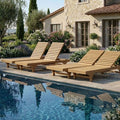
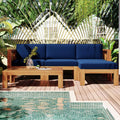
A pergola or gazebo can establish the dining room. A deep-cushioned sectional and low table can define a lounge area near the pool or garden. A pair of loungers placed slightly apart can become a quieter retreat for two. These zones do not need walls. Changes in flooring, furniture orientation, planters, rugs, or overhead shade are often enough to make each area feel considered.
This approach is especially useful for larger yards, but it also improves a compact patio. In a smaller space, one flexible zone may need to serve several purposes. Choose a dining set with comfortable chairs that can linger after dinner, or position a loveseat and two lounge chairs around a compact fire feature instead of trying to force in separate living and dining setups.
Shade becomes an architectural feature
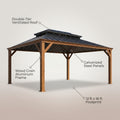
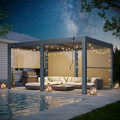
Shade has always been practical. Now it is a major visual anchor. Freestanding gazebos, modern pergolas, and structures with adjustable louvers give a backyard the presence of an outdoor destination while helping control heat, glare, and light rain.
The right choice depends on how exposed the space is and how you plan to use it. An open-slat pergola can frame a garden-view dining area and offer partial shade, while a louvered roof gives more day-to-day control in sunny climates. A hardtop gazebo is often the better fit for homeowners who want a more sheltered gathering space or a dedicated home for an outdoor sectional.
Look beyond the roofline, too. Privacy curtains, bamboo-style panels, sidewalls, and drapery can soften the structure while screening an unappealing view. They also make a large backyard feel more intimate. Just leave room for airflow. A fully enclosed setup may look polished in photos but can become warm and still during a summer gathering.
Low, generous seating leads the lounge look
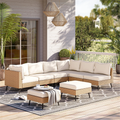
Resort seating invites people to relax without asking them to balance a plate on their lap or sit upright for hours. That is why deep outdoor sectionals, oversized lounge chairs, swing beds, and adjustable chaises continue to shape the look of elevated backyards.
Comfort should lead the decision, but scale matters just as much. A substantial sectional can give a wide patio a finished, grounded feel. On a narrow deck, however, it can interrupt traffic flow and make the space feel crowded. Leave a clear path around the seating area, especially between the house, grill, pool, and yard.
For a more tailored look, use fewer pieces with better proportions. A sofa, two lounge chairs, and a generously sized coffee table often feel more inviting than a crowded collection of small chairs. Choose cushions made for outdoor exposure and frames built to handle changing weather. Resort style loses its appeal quickly when cushions sag, metal finishes chip, or furniture must be carried inside after every forecast.
Warm natural materials balance modern lines
Clean-lined aluminum frames and contemporary roof structures remain popular, but the most inviting spaces pair those crisp silhouettes with materials that have warmth. Teak, woven textures, stone, plaster-toned planters, and natural-looking textiles keep an outdoor room from feeling overly sleek.
Teak is especially well suited to this direction because it has visual depth even before it develops its silvery patina. A teak dining table can soften a modern pergola, while teak lounge chairs add substance beside a pool. It is an investment material, so it makes the most sense in pieces you will use frequently for years rather than in trend-driven accents you may replace next season.
The key is restraint. A backyard does not need every surface to be wood, wicker, and stone. Use one or two natural material stories, then repeat them. For example, pair a teak dining set with woven dining chairs and matte charcoal planters, or combine a powder-coated aluminum sectional with a warm wood coffee table and textured outdoor pillows.
Lighting Is the Detail That Changes Everything
A resort backyard should still feel welcoming after the sun sets. Overhead string lights alone can create a pleasant mood, but layered lighting creates the depth that makes a space feel finished.
Start with practical illumination around steps, pathways, gates, and cooking areas. Then add ambient light beneath a gazebo roof, along a fence line, or in nearby trees. Finally, use a few low, warm points of light near seating: lanterns on a side table, small rechargeable lamps, or a fire pit with a controlled flame.
Keep the color temperature warm rather than bright white. The intention is to make guests look good, see where they are going, and feel comfortable lingering. Too many spotlights can flatten the landscape and make a private retreat feel like a parking lot.
Fire Features Become a Reason to Stay Outside
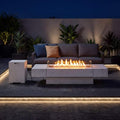
Fire pits and fire tables remain central to resort-inspired outdoor living because they extend the season and give a gathering a natural center. A low fire table can work beautifully with a sectional, while a traditional fire pit surrounded by individual chairs encourages conversation and flexibility.
Placement deserves real thought. Keep adequate clearance from structures, overhead coverings, and low branches, and follow local fire codes and manufacturer guidance. If your backyard is breezy or closely bordered by neighbors, a propane fire table can offer more predictable control than a wood-burning option.
The surrounding furniture should support how you gather. Deep loungers are ideal for a relaxed cocktail-hour feel, while upright chairs with armrests may be more comfortable for longer conversations and s'mores with children. A fire feature is not simply decor. It is a functional reason for people to step outside on evenings when the patio might otherwise sit empty.
Privacy Feels Like a Luxury, Not an Add-On
The ability to relax without feeling exposed is one of the most valuable qualities in any outdoor retreat. This is why privacy is becoming more integrated into backyard design rather than treated as a last-minute solution.
Layered planting is one option, using evergreen shrubs, ornamental grasses, or small trees to soften the edge of the property. It delivers a lush, established feel, but it takes time and regular maintenance. Architectural solutions work more quickly: slatted screens, pergola panels, outdoor curtains, and tall planters can create visual separation right away.
Often, the most natural result combines both. A privacy panel can block a direct sightline immediately, while greenery planted nearby makes it feel like part of the landscape. Consider the view from the seating area first. You may not need to screen the entire yard, only the one angle that distracts from the experience.
Designing for Real Weather and Real Hosting
The most durable resort backyard design trends are grounded in daily use. Before choosing finishes and furnishings, notice where the harsh afternoon sun lands, which direction rain blows under cover, and where guests naturally walk. These details determine whether your outdoor room feels effortless or requires constant adjustment.
Choose weather-resistant frames, fade-conscious fabrics, and surfaces that are easy to clean after pollen, splashes, or a busy meal outdoors. If you host often, add landing space near seating and dining areas. Side tables, a console, or a serving cart can be more useful than another decorative accent because they give drinks, towels, and shared plates somewhere to go.
It also helps to plan for storage from the beginning. Protective covers, cushion storage, and a sensible place for outdoor dinnerware protect the investment and reduce setup time. The easier your space is to use, the more often it becomes part of your routine.
A resort-worthy backyard is not defined by how much you install. It is defined by the moments it makes easier: coffee in the shade, dinner that lasts past sunset, and an ordinary weeknight that feels a little farther from home. Start with the one experience you want more of, then build your retreat around it.