Patio Pergolas That Make a Backyard Feel Finished
Share
A patio can have beautiful furniture, a fire feature, and a view worth enjoying, yet still feel unfinished under a wide-open sky. Patio pergolas give that space a sense of intention. They create an architectural frame for dining, lounging, and lingering outside, turning an exposed slab or deck into a destination that feels closer to a private resort.
The right pergola does more than add visual appeal. It helps define how the space will be used, introduces shade without closing off the outdoors, and gives everything beneath it a more inviting sense of scale. The best choice depends on your climate, your patio dimensions, and whether you want filtered sunlight, adjustable coverage, or dependable protection from a passing shower.
What Patio Pergolas Add to an Outdoor Space
A pergola gives the eye a place to land. On a large backyard, it can anchor a seating area that might otherwise feel scattered. On a compact patio, it establishes a room-like boundary without adding walls. That structure is especially useful when your outdoor space serves more than one purpose, such as weekday family dinners, poolside lounging, and weekend entertaining.
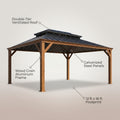
It also changes the experience of light. Traditional open-slat designs create patterned shade and allow plenty of airflow. Louvered roof systems give you more control, so you can tilt the slats for sunshine, shade, ventilation, or rain coverage. A solid-roof gazebo may be the better fit where full shelter is the priority, but a pergola often feels lighter and more connected to the landscape.
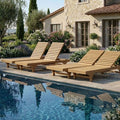
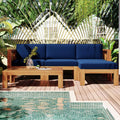
For design-conscious homeowners, a pergola can bring visual cohesion to a mix of outdoor pieces. A substantial dining table, deep seating sectional, or pair of lounge chairs looks more considered when it sits beneath a structure sized for the setting. It creates the kind of outdoor room guests naturally gravitate toward.
Start With How You Want to Use the Space
Before comparing finishes or roof styles, decide what needs to happen under the pergola. The most attractive structure will still disappoint if it is too small for the way you gather.
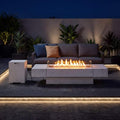
A dining-focused layout needs space for chairs to slide back comfortably, even when someone is seated at every place. For a lounge setting, allow room around the perimeter for side tables, foot traffic, and a clear path into the home. If you plan to place a fire pit nearby, follow the manufacturer's clearance guidance and keep the pergola footprint far enough away to preserve safe circulation.
Think about how many people you host most often, not only the largest party of the year. A generously sized pergola is a beautiful statement on an expansive patio, but it can overpower a narrow deck or crowd a small garden terrace. In a tighter setting, a clean-lined structure with open sides keeps the area airy while still creating a defined retreat.
Choose the roof style for your weather
Roof design determines whether a pergola is primarily a shade feature or a true all-weather outdoor-living structure. Open rafters work beautifully in mild climates and leafy gardens where dappled sunlight is part of the appeal. They are also a natural choice for climbing plants, though plants take time to establish and need seasonal care.
A retractable canopy offers flexible shade, but fabric requires attention in high wind, snow, and heavy rain. For homeowners who want the greatest day-to-day control, adjustable louvers are often worth the investment. Open them on a cool morning to let heat escape, angle them at midday to cut glare, then close them when weather moves through.
No roof system is maintenance-free. Even durable aluminum louvers need occasional cleaning, and drainage channels should be checked for leaves and debris. That modest upkeep is easier to live with when the structure supports more time outside across more of the year.
Pick Materials Built for Your Climate
Material choice affects both the look of the pergola and the care it will need over time. Aluminum is a popular option for modern patios because it is lightweight, corrosion-resistant, and well suited to adjustable-roof designs. Powder-coated finishes can hold their color well through sun and seasonal weather, with little more than routine washing required.
Wood brings warmth and character that pair naturally with gardens, stone, and classic outdoor furniture. It can be an excellent long-term choice when properly sealed and maintained, but homeowners should expect periodic refinishing. In humid regions, inspect wood regularly for moisture damage. In dry, high-sun climates, a protective finish helps minimize fading and checking.
Steel can offer a bold, substantial look, although it needs a finish designed to resist rust. The right material is not simply the one with the lowest maintenance. It is the one that fits your home, performs in your local conditions, and feels appropriate alongside the furniture and hardscaping you already love.
Consider wind, sun, and drainage early
The sun's path is one of the most overlooked details in pergola planning. A structure that looks perfect at noon may offer little relief during late-afternoon gatherings if the strongest light comes in from the side. Privacy panels, outdoor curtains, or a strategically placed screen can help, but they also change airflow.
Wind deserves the same attention. An exposed rooftop deck, coastal property, or open yard may require a more substantial frame, secure anchoring, and careful use of shade fabrics. Always follow product specifications for installation and wind conditions rather than treating a pergola as a freestanding decorative piece.
If you are choosing a louvered model for rain coverage, plan for water management before installation day. Identify where runoff will go and make sure it will not spill onto a doorway, seating area, or neighbor's property. A well-designed drainage system keeps a covered patio usable instead of creating a new puddle problem.
Size a Pergola Around Furniture, Not Guesswork
Measuring the patio is essential, but measuring your furniture arrangement is better. Mark the proposed footprint with painter's tape, stakes, or cardboard before ordering. Then place chairs where they would actually sit and walk through the area as though you are carrying a dinner tray or guiding guests to their seats.
For a dining table, the pergola should extend beyond the tabletop enough to cover pulled-out chairs and preserve comfortable movement. For a sectional, avoid choosing a structure that matches the sofa's exact dimensions. A little breathing room makes the setting feel relaxed rather than boxed in.
Height matters, too. A low roof can feel intimate, but it may trap warmth and make a large patio feel compressed. A taller design supports better airflow and a more open view, particularly beside a pool or in a garden with mature trees. Look at the roofline of your home and choose proportions that complement it rather than compete with it.
Make the Pergola Feel Like Part of the Home
The finishing layer is where a structure becomes a place people remember. Start with comfortable seating and an outdoor rug to establish a clear zone. Add soft lighting for evenings, whether through integrated fixtures, string lights rated for outdoor use, or lanterns placed safely on tables.
Privacy features can make a meaningful difference without turning the pergola into an enclosed room. Bamboo panels, slatted screens, drapery, or planters can soften an exposed property line and create a more secluded feeling. The best approach depends on whether privacy, wind reduction, or low-angle sun is the main concern.
Keep color and material choices connected to the house. Black or bronze aluminum offers crisp contrast against light siding and stone. Natural wood and teak create a warm, layered look against brick, stucco, and greenery. Cushions, pillows, and planters are the easiest places to introduce seasonal color without committing the whole structure to a trend.
A patio pergola should make outdoor time feel easier to say yes to. When the shade is right, the seating is comfortable, and the space has a clear purpose, a simple dinner outside can feel like a small getaway just steps from the kitchen.