Outdoor Living Design Trends Worth Bringing Home
Share
A bare patio rarely stays bare because homeowners lack ideas. It stays bare because the pieces do not yet work together as a place to sit, host, cook, cool off, and linger. The strongest outdoor living design trends are moving away from one-off furniture purchases and toward complete, comfortable settings that make the backyard feel like a true extension of home.
For 2026, the focus is less about chasing a look and more about creating a space that earns its square footage. That means reliable shade when the sun is high, warmth after sunset, seating that invites conversation, and materials made to handle the seasons without losing their appeal.
Outdoor Living Design Trends That Feel Personal
The best patios no longer resemble a showroom floor. They reflect how a household actually spends time outside. A family that gathers for weeknight dinners needs a different layout than a couple building a quiet poolside escape, and a frequent host may prioritize flexible seating over a formal dining arrangement.
This shift has made intentional zoning one of the most useful design ideas. Rather than placing a dining set in the center of the patio and calling it finished, homeowners are defining distinct destinations: a covered dining area, a conversation zone around a fire feature, and a quieter corner with loungers or a swing bed. Even a modest backyard can feel more generous when each area has a clear purpose.
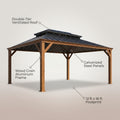
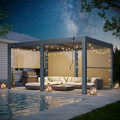
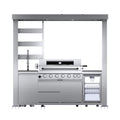
A pergola or gazebo often becomes the anchor. It gives an open yard visual structure while establishing a natural place for dining, relaxed seating, or an outdoor kitchen. The right structure also makes furniture selection easier. Once you know where the ceiling line, shade, and traffic paths will be, it is much simpler to choose a sectional or dining table that fits without crowding the space.
Resort comfort, not matching sets
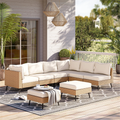
Perfectly matched patio sets still have a place, especially when simplicity is the goal. But layered spaces feel more current and more welcoming. Think teak dining chairs paired with a tailored outdoor table, a deep-cushioned sectional balanced by a sculptural fire pit, or woven accents that soften the clean lines of an aluminum pergola.
The goal is cohesion, not sameness. Repeating one or two materials, such as warm wood tones and matte black metal, helps different pieces belong together. Neutral foundations also leave room for seasonal color in pillows, planters, or outdoor table settings without requiring a complete redesign.
Shade That Adapts to the Day
Fixed shade is useful, but adjustable coverage is becoming a priority for homeowners who want more hours outside. A louvered roof, retractable canopy, or pergola with curtains can shift with the weather: open for morning light, angled for afternoon glare, and closed when a light rain moves through.
This trend is practical as much as it is visual. In hot, sunny regions, shade can determine whether a patio is used in July or avoided until evening. In areas with changing weather, a covered structure helps protect cushions, dining surfaces, and gatherings that should not end at the first passing shower.
It does depend on the location. A fully enclosed roof can make sense where intense sun or frequent rain is the main concern, while a slatted or open-top pergola may be better for homeowners who value airflow and dappled light. Before choosing a structure, pay attention to the direction of the afternoon sun, prevailing winds, drainage, and clearance around doors, grills, and pool areas.
Privacy with a softer edge
Privacy screens are also becoming more integrated into outdoor design. Instead of treating privacy as an afterthought, homeowners are using bamboo panels, slatted walls, drapery, tall planters, and strategically placed structures to create a sense of enclosure.
The most effective privacy features do more than block a neighbor's view. They frame the retreat, reduce wind in a seating area, and make an exposed deck or yard feel settled. For a small patio, a partial screen may be all that is needed. Closing off every side can make a compact space feel tight and limit airflow.
Fire Features Become the Evening Plan
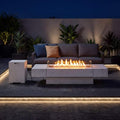
A patio designed only for daylight leaves a lot of enjoyment on the table. Fire pits and fire tables continue to be central to outdoor spaces because they add warmth, light, and a natural reason to stay outside after dinner.
The trend is toward fire features that support conversation. A low, centered fire pit works beautifully with lounge chairs and sectionals, while a fire table can serve as the focal point of a more polished seating area. Leave enough clearance for people to move comfortably around it, and choose seating with arms or deep cushions if you expect guests to settle in for long evenings.
Consider fuel type before committing to a look. Gas offers easy ignition and a clean, controlled flame, while wood-burning fire pits bring a traditional campfire experience but require more attention to smoke, ash, storage, and local regulations. Either option can make a backyard feel like a destination worth lingering in.
Durable Materials With a Warm Finish
Homeowners are paying closer attention to what outdoor furniture is made of, and for good reason. A beautiful patio is only relaxing when it does not demand constant worry. Weather-resistant materials, fade-conscious fabrics, and durable frames are no longer behind-the-scenes details. They are part of the investment.
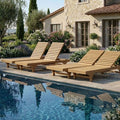
Teak remains a standout for its natural warmth, substantial feel, and ability to age gracefully. It suits both coastal-inspired settings and more modern patios, particularly when paired with neutral cushions or black metal accents. Aluminum is another smart choice for its lighter weight and clean profile, especially under a pergola or around a pool where easy movement matters.
There are trade-offs. Teak can develop a silvery patina if left untreated, which many homeowners love, but it can also be maintained to preserve a warmer tone. Large upholstered sectionals create exceptional comfort, though they need appropriate covers or storage plans in harsher climates. The best material is not simply the most expensive one. It is the one that matches your climate, maintenance preference, and how often the space will be used.
Deep seating replaces occasional seating
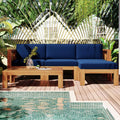
Outdoor furniture is becoming less formal and more livable. Deep sectionals, oversized lounge chairs, daybeds, and swing beds are gaining ground over thin, upright seating meant for short visits. The backyard is expected to support Sunday naps, late-night conversations, reading breaks, and the occasional impromptu celebration.
Scale matters here. A large sectional can create a luxurious anchor on a generous patio, but it can overwhelm a narrow deck. Measure the usable footprint, not just the overall deck or patio dimensions. Account for walkways, door swings, grill access, and the room needed to pull out dining chairs. A layout that looks spacious on paper can feel frustrating if it leaves no comfortable path through the space.
Dining Areas Designed for Real Gatherings
Outdoor dining is becoming more relaxed, but not less refined. Homeowners are choosing tables large enough for a full meal, comfortable chairs that make guests want to stay, and shelter that keeps the setting usable through more of the year.
A rectangular table is often the strongest choice for long patios and larger groups, while a round table encourages conversation in tighter spaces. If hosting is a priority, select the dining area first and build outward. It is easier to add a pair of lounge chairs later than it is to squeeze an undersized table into a finished design.
Lighting helps turn this area from practical to memorable. Soft overhead lighting under a gazebo, lantern-style fixtures near a dining table, and low-level path lighting all contribute to a more considered atmosphere. Keep the light warm rather than harsh. The aim is to see dinner clearly, not recreate a stadium.
The New Luxury Is a Backyard You Use
The most lasting trend is not a particular color, silhouette, or accessory. It is the expectation that outdoor spaces should support everyday life with the same comfort and intention as an indoor living room. A well-placed pergola, durable teak dining set, fire feature, or deep sectional can change how often a backyard is used and how it feels to come home.
Start with the moment you want more of: slow coffee in the shade, dinner that stretches past sunset, a private afternoon by the pool, or a place where friends naturally gather. Build around that moment, choose materials that can handle your climate, and let the space become a retreat you will actually use.