Teak Versus Aluminum: Which Patio Furniture Wins?
Share
A patio chair can look beautiful in a showroom and still feel wrong after one season in full sun, poolside splash, or a long weekend of hosting. That is why teak versus aluminum is more than a style decision. It shapes how your outdoor space feels, how much care it asks of you, and whether the furniture still looks at home beside your garden, pergola, or fire pit years from now.
For homeowners building a backyard that feels like a private retreat, both materials deserve consideration. Teak brings warmth, permanence, and a natural connection to the landscape. Aluminum offers clean lines, lighter weight, and easygoing performance in changing weather. The better choice depends on the way you live outside.
Teak Versus Aluminum at a Glance
Teak is a dense hardwood prized for its natural oils, which help it resist moisture, insects, and decay. It has the substantial, crafted presence many homeowners want in a long-term dining set, deep-seating collection, or classic bench. Over time, untreated teak shifts from honey brown to a soft silvery gray - a graceful change that many people consider part of its appeal.
Aluminum is a metal frame material, usually finished with a protective powder coating. It is naturally resistant to rust, notably lightweight, and available in silhouettes ranging from slim contemporary loungers to generous cushioned sectionals. Its versatility makes it especially popular when a patio needs a polished, low-maintenance look without visual heaviness.
Neither material wins every category. A better question is whether you want furniture that becomes richer in character over time or furniture that stays crisp and effortless with minimal involvement.
Choose Teak for Warmth, Weight, and Lasting Character
Teak furniture has a presence that is hard to imitate. The grain, color variation, and solid feel can make an open deck or bare patio feel established from the first day. It works especially well in gardens, traditional homes, coastal settings, and layered resort-style spaces where stone, greenery, woven textures, and fire features share the scene.
High-quality teak is also remarkably capable outdoors. Its natural oil content helps it handle rain and humidity without needing the constant sealing associated with many other woods. When the wood is properly sourced and constructed, teak can remain part of an outdoor setting for decades.
That longevity comes with a few realities. Teak is heavy, which is helpful in windy locations but less convenient if you frequently rearrange furniture for parties or chase shade throughout the day. It is also a premium material, so the initial purchase price is typically higher than aluminum.
The other choice is aesthetic. Leave teak untreated and it will develop a silver-gray patina, often within the first year depending on sun and weather exposure. If you prefer the original golden-brown tone, plan on periodic cleaning and a teak protector or sealer designed for outdoor furniture. Oil is not required for the wood’s durability, and using it solely to preserve color can create more maintenance than many owners expect.
Teak is an excellent fit when your patio furniture should feel like a true investment piece: substantial, welcoming, and designed to age beautifully alongside your home.
Where teak makes the most sense
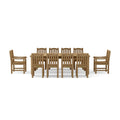
A teak dining table can anchor long dinners under a gazebo. Deep teak seating creates a grounded, collected look around a fire pit. Teak loungers feel especially at home near a pool when paired with tailored cushions and a few soft outdoor textiles.
It is also a strong choice for homeowners who prefer real materials over a perfectly uniform finish. Small variations in grain and natural weathering are not flaws. They are part of what gives teak its sense of permanence.
Choose Aluminum for Easy Movement and Modern Flexibility
Aluminum furniture is made for the homeowner who wants to spend more time outside and less time managing the pieces that make it possible. A quality powder-coated aluminum frame will not rust like iron or steel, making it a practical option for rainy climates, humid regions, and poolside settings.
Its lighter weight is one of its clearest advantages. You can shift dining chairs to make room for another guest, move a chaise with the afternoon sun, or reconfigure a sectional before a gathering without turning the task into a two-person project. For compact patios and balconies, that flexibility matters.
Design is another reason aluminum remains a favorite. The material supports slender frames, clean angles, and generous cushions without making a space feel crowded. Black, bronze, white, and warm neutral finishes can create anything from a sharp contemporary terrace to a relaxed coastal patio.
Aluminum does have limits. It can become hot in direct summer sun, particularly on armrests, tabletops, and unshaded chaise frames. Cushions and umbrellas help, but an uncovered dark frame in Arizona or Texas deserves a quick touch test before guests settle in. Metal furniture can also feel less visually warm than wood, although layered cushions, rugs, planters, and natural accents can soften the effect.
Quality matters more than the material label
Not all aluminum furniture performs alike. Look for frames with a durable powder-coated finish, clean welds, and thoughtfully reinforced connection points. A thin frame may be suitable for occasional use, while a larger sectional or dining table should feel stable when leaned on, moved, and used daily.
Pay attention to the cushions as well. Outdoor comfort depends as much on quick-drying foam, solution-dyed fabric, and well-fitted covers as it does on the frame beneath them. A beautiful aluminum sectional should still be ready for family movie nights, afternoon naps, and a surprise shower during dinner.
Weather Performance: What Your Climate Changes
Both teak and aluminum can handle four-season outdoor living, but climate should guide the final decision.
In humid, rainy, or coastal areas, teak’s natural resistance to moisture is a real advantage, while aluminum’s rust resistance keeps it dependable. Salt air can be hard on any finish, however. Aluminum frames near the coast benefit from regular rinsing with fresh water to remove salt residue, and teak should be cleaned gently when dirt or mildew collects.
In hot, sunny climates, teak generally remains more comfortable to the touch than exposed metal. Its color will weather faster in intense UV exposure, but the wood itself remains durable. Aluminum will hold its structure well in sun, provided the finish is high quality, though darker colors absorb more heat.
In cold-weather regions, either material can stay outdoors with sensible seasonal care. Brush snow from furniture rather than allowing heavy accumulation to sit for extended periods. Use breathable covers only when the furniture is clean and dry. Trapping moisture under a non-breathable cover can cause more trouble than leaving well-built materials uncovered.
Maintenance: The Difference Between Caring and Cleaning
Aluminum is the simpler option for routine upkeep. Wash frames periodically with mild soap, water, and a soft cloth. Avoid abrasive pads or harsh cleaners that can dull or damage the powder coating. Inspect the finish after a busy season, especially around feet, joints, and areas that may be scratched by concrete or gravel.
Teak needs more attention only if you want to maintain a particular appearance. For the natural gray patina, a gentle seasonal cleaning is usually enough. For the original warm color, use a teak cleaner and protector as needed, following the product directions carefully. Avoid pressure washing, which can roughen the surface and strip away the wood’s natural texture.
Neither material should force you into a weekend maintenance ritual. The goal is straightforward care that protects your investment and keeps the setting ready for the moments you bought it for.
Cost and Value Over Time
Aluminum usually provides a more accessible entry point, particularly for large seating groups or dining sets with many chairs. It can deliver a refined, durable look while leaving more of the budget for premium cushions, shade, lighting, or a statement fire feature.
Teak generally costs more upfront, especially in substantial solid-wood collections. Yet its long service life can make it an appealing value for homeowners who plan to stay in their home and want furniture with enduring material quality. The key is buying well-made pieces rather than assuming every product labeled teak offers the same density, construction, or longevity.
Think beyond the ticket price. Consider how often the furniture will be used, whether you enjoy maintaining natural wood, how often you may move or rearrange it, and whether the material complements the rest of your outdoor architecture.
The Best Choice for Your Outdoor Retreat
Choose teak when you want natural warmth, a substantial feel, and furniture that develops character with time. It is the material for a dining space that feels ready for long, unhurried evenings and seating that gives a patio the confidence of a finished room.
Choose aluminum when you want a sleek profile, easy rearranging, and minimal upkeep. It is ideal for flexible entertaining spaces, sunny pool decks, and contemporary patios where clean lines let the view, landscaping, and cushions do the talking.
There is also no rule that says your entire outdoor space needs one material. A teak dining table can bring warmth to an aluminum-framed lounge area. Aluminum loungers can keep a pool deck light and movable while a teak bench adds a welcoming note near the garden. Choose the pieces that support how you gather, rest, and linger outside - then let the materials make the space feel unmistakably yours.