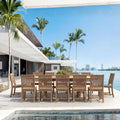
How to Choose an Outdoor Dining Set for 8
Share
A table set for eight changes the way a backyard gets used. It makes room for the birthday dinner that runs past sunset, a relaxed Sunday meal with grandparents and kids, or an easy evening where nobody has to balance a plate on their lap. The right outdoor dining set for 8 does more than provide seats. It gives your patio, deck, or poolside a purpose: a destination worth lingering in.
Because a set this size becomes a visual anchor, it deserves more consideration than a quick measurement and a favorite color. Table shape, chair comfort, material, pathways, shade, and local weather all affect whether it feels graciously generous or simply crowded. Here is how to choose a gathering space that looks considered and serves your home beautifully for years.
Start With the Space Around the Table
An eight-person dining set needs breathing room. The table itself may fit on a modest patio, but the experience will not feel comfortable if guests cannot pull out a chair or walk behind one without asking someone to move.
As a practical baseline, allow 36 inches from the edge of the table to a wall, railing, planter, grill, or other fixed feature. If people will regularly walk behind seated guests, 48 inches is even better. This clearance matters just as much as tabletop dimensions. It keeps the setting relaxed when everyone arrives with serving dishes, drinks, and a little extra conversation.
Before you shop, mark the proposed table footprint on the ground with painter’s tape or use outdoor chairs you already own to test the layout. Open umbrellas, account for steps and doors, and make sure a person can carry a tray from the kitchen without navigating an obstacle course. For a covered patio, measure the posts and roof line as well. A large dining table should sit comfortably within the architecture, not appear squeezed beneath it.
Choose the Best Outdoor Dining Set for 8 Shape
The best table shape depends on the proportions of your space and how you prefer to host.
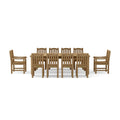
A rectangular table is the natural choice for long patios, decks, and pergolas. It creates a formal, generous setting and usually provides the clearest seating arrangement: three chairs on each long side and one at each end. Look for a length of roughly 84 to 108 inches, depending on the chair width and whether you want room for platters in the center.
An oval table softens that same long-table footprint. It can be especially appealing near gardens, curved pool decks, or homes with a more relaxed architectural style. Without sharp corners, it also makes circulation easier in tighter areas.
Round tables create a more conversational dinner. Everyone can see one another, and a pedestal base often offers flexible legroom. However, a round table for eight requires meaningful width, commonly around 60 to 72 inches in diameter, so it works best on a broad, open terrace rather than a narrow deck.
Square tables can feel tailored and intimate, but they are generally the most demanding on space at this scale. They are a strong option for a large, symmetrical courtyard or a patio designed around a central focal point, such as a fire feature or fountain.
Prioritize Chair Comfort Over Chair Count
Eight seats only add value if guests want to stay in them through dessert. This is where premium outdoor dining earns its place. A well-proportioned chair with supportive arms, a comfortable back angle, and quality cushions turns an outdoor meal into an evening event.
Dining chairs with arms tend to feel more substantial and welcoming, particularly for long gatherings. They do require more width, so confirm that the stated seat dimensions work with the table. Armless chairs save space and can create a cleaner, more streamlined look, but may feel less relaxed for lingering dinners.
Cushioned seating brings a resort-inspired finish, especially when paired with a teak, aluminum, or woven frame. Choose quick-drying, outdoor-rated cushions with performance fabric that resists fading, moisture, and everyday spills. Removable cushion covers are a practical advantage for homes that host often.
Benches are another option, especially along one side of a rectangular table. They can make a large set feel less formal and are useful when children or extra guests are part of the plan. The trade-off is accessibility: people seated in the middle need others to shift when it is time to stand. For frequent adult dinner parties, individual chairs usually offer the more comfortable experience.
Select Materials Built for Your Climate
A beautiful dining set should handle more than a few picture-perfect afternoons. Sun exposure, humidity, rain, salt air, freeze-thaw cycles, and wind all influence the material that will serve your home best.
Teak remains a standout choice for homeowners who want natural warmth and long-term durability. Its dense grain and natural oils make it well suited to outdoor conditions, while its substantial presence gives an eight-seat dining area the feel of an established garden retreat. Teak can be maintained to preserve its warm color, or allowed to develop a silvery patina over time. Both looks are timeless, and the right choice is simply the one that fits your design vision.
Powder-coated aluminum is lighter, clean-lined, and easy to maintain. It is a smart fit for modern patios, rooftop terraces, and spaces where furniture may need to be repositioned for entertaining. Quality powder coating helps protect against corrosion, but coastal homeowners should still rinse furniture periodically to remove salt residue.
All-weather wicker offers texture and comfort with a more relaxed profile. Choose high-density resin wicker over a sturdy aluminum frame, not natural wicker, which is not designed for prolonged outdoor exposure. Woven dining chairs can look especially inviting alongside a sleek tabletop, balancing structure with softness.
Steel and iron can provide a classic, weighty look, though they need a durable protective finish and more attention in wet or coastal climates. If your patio gets strong wind, their weight can be an advantage. If you expect to move furniture often, aluminum may be the easier choice.
Make Shade Part of the Dining Plan
A dining set can be beautifully scaled and still go unused at midday if it lacks shade. Consider coverage at the same time you choose the table, rather than treating it as an afterthought.
An umbrella is flexible and approachable, but make sure the table has an umbrella opening and that the base is rated for the canopy size. Large umbrellas require substantial bases, particularly in breezy locations. A cantilever umbrella can shade the table without placing a pole in the center, although its footprint and base need room beyond the dining area.
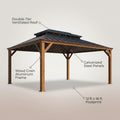
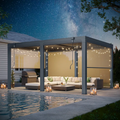
For a more finished, all-season setting, a pergola or gazebo gives an eight-seat table architectural definition. Adjustable louvers, integrated curtains, privacy panels, or a solid roof can make the space more useful through bright sun, light rain, and changing temperatures. The dining set then becomes part of a complete outdoor room rather than furniture placed on a slab.
Think Beyond the Tabletop
A dining table for eight needs working space, not just eight place settings. If you enjoy family-style meals, aim for enough center clearance for platters, candles, and a centerpiece without guests feeling crowded. A table that is too narrow can look elegant but prove frustrating once serving begins.
Consider where drinks, linens, and extra dishes will go. A nearby buffet, console, bar cart, or outdoor kitchen counter keeps the tabletop clear and lets the host stay present with guests. Lighting deserves equal attention. Soft overhead fixtures under a pergola, lanterns, or discreet landscape lighting help dinner flow naturally after dark without creating harsh glare.
Color and texture also shape the atmosphere. A warm wood table with neutral cushions feels collected and inviting. Black aluminum paired with woven chairs creates a more tailored resort look. If your home has strong existing finishes, echo one material or tone outdoors rather than matching everything exactly. A patio should feel connected to the home while retaining its own sense of escape.
Plan for Care That Fits Real Life
Every outdoor material benefits from some care, but the right maintenance level depends on how you want to spend your weekends. If you prefer a low-effort setup, aluminum frames and performance fabrics are typically simple to clean with mild soap, water, and a soft cloth. Wicker should be cleared of debris from its weave, while teak may need periodic cleaning and optional protective treatment depending on the finish you prefer.
Furniture covers can extend the life of cushions and help keep a table ready for guests, especially through periods of heavy pollen, falling leaves, or winter weather. They should fit well and allow ventilation so moisture is not trapped beneath them. In regions with snow or severe storms, storing cushions indoors during the off-season is a small step that protects their comfort and appearance.
A well-chosen dining set should not demand constant attention. It should make it easier to say yes when neighbors stop by, when family is in town, or when a regular weeknight deserves a meal outside.
At Oasis Patio Direct, the goal is not simply to fill a patio. It is to help create a private retreat with the scale, comfort, and lasting materials that make gathering feel effortless. Choose a set that suits the way you host now, then leave a little room for the people who will be glad to pull up a chair later.