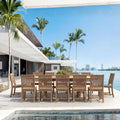
Why a Louvered Pergola Changes Outdoor Living
Share
A patio can have beautiful furniture, a fire feature, and a view worth lingering over, yet still go unused when the sun is too intense or a passing shower arrives. A louvered pergola changes that equation. Its adjustable roof gives you meaningful control over light, shade, ventilation, and weather coverage, so the space feels less like an exposed backyard and more like a destination built around how you actually live.
For homeowners creating a resort-inspired retreat, that flexibility is the point. You are not choosing between a fully open pergola that offers little protection and a solid roof that can make an outdoor area feel enclosed. You are choosing a structure that can adapt from a bright Saturday brunch to a shaded afternoon nap to dinner outside when the forecast looks uncertain.
What Makes a Louvered Pergola Different?
Traditional pergolas use fixed, widely spaced rafters. They bring architectural definition and a welcome sense of enclosure, but their shade changes with the sun and rain comes straight through. A louvered roof uses horizontal slats that rotate. Open them for sunshine and rising heat to escape. Tilt them to block direct glare. Close them to create an overhead barrier during light to moderate rain, depending on the design and installation.
That simple adjustment has an outsized effect on comfort. In warm climates, open louvers let hot air rise away instead of trapping it above the seating area. In areas with sharp seasonal changes, the ability to invite in sun on a cool morning and create shade later in the day makes the patio usable for more months of the year.
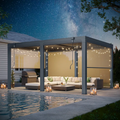
The experience also looks more considered. Clean-lined aluminum framing and a tailored roof profile can anchor an outdoor dining area, define a poolside lounge, or make a bare concrete patio feel intentional. A louvered structure is a statement piece, but it earns its presence by doing real work.
Start With How You Want to Use the Space
The best size, roof style, and placement are not determined by square footage alone. Start with the moments you want your backyard to support. A dining-focused patio needs dependable coverage over the table and enough clearance for guests to move chairs comfortably. A lounge area may benefit from a larger footprint that includes a sectional, coffee table, and circulation space around the edges.
If your household gathers outdoors often, consider the view from inside the home as well. A roofline that is too tall, too low, or positioned directly in front of a favorite window can alter the feeling of adjacent rooms. Freestanding designs can create a true garden or poolside destination, while wall-mounted pergolas often extend the home’s architecture and make stepping outside feel more natural.
Sun orientation deserves equal attention. Watch where the strongest afternoon light lands, not just where the patio receives sun at noon. West-facing areas often need the greatest shade control late in the day, when people are most likely to relax or entertain. In some yards, a louvered roof alone is enough. In others, privacy screens, drapery, or landscaping may be useful for low-angle sun and neighboring sightlines.
Choosing the Right Louvered Pergola
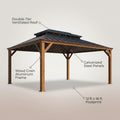
A louvered pergola is a long-term outdoor investment, so the details behind the silhouette matter. Most premium options are powder-coated aluminum, a material valued for its clean appearance, resistance to rust, and low-maintenance performance. It is especially practical near pools, in humid climates, and in regions where wood structures would require frequent refinishing.
Manual or Motorized Louvers
Manual louvers are straightforward and can be an excellent choice for a smaller patio or homeowners who prefer fewer electrical components. Motorized louvers offer more convenience, particularly on larger structures or when weather changes quickly. With the touch of a control, you can adjust the roof without leaving the table or interrupting a gathering.
The better choice depends on how often you expect to change the roof position. If the pergola will typically remain open or closed for long stretches, manual operation may suit the space well. If you picture adjusting for glare throughout the day, closing up at the first hint of rain, or creating a polished entertaining experience, motorized control is often worth considering.
Rain Management Is More Than Closing the Roof
Closed louvers can direct water away from the roof surface, but rain performance depends on the entire system. Look for integrated gutters, internal drainage channels, and properly designed posts that carry water down and away from the seating area. These features keep runoff from pouring off the roof edge where guests step in and out.
Installation quality matters just as much. A pergola must be level, securely anchored, and assembled according to the manufacturer’s requirements for its drainage system to work as intended. It is also wise to set realistic expectations: a louvered roof is excellent for making outdoor plans less dependent on a light rain shower, but wind-driven rain can still enter from the sides. Adding retractable shades or privacy panels can offer more protection where exposure is a concern.
Wind, Snow, and Local Conditions
Every backyard has its own weather story. Coastal wind, desert heat, heavy snow, and summer storms place different demands on an outdoor structure. Before choosing a model, review its wind and snow-load ratings, then compare them with local building requirements and the conditions at your specific property.
A protected courtyard may allow more flexibility than a wide-open rooftop or a yard that catches strong prevailing winds. For snow-prone regions, understand whether louvers should remain open during accumulation and whether manual clearing is recommended. For high-sun areas, consider the finish color and the furniture beneath it. Light-colored cushions and heat-tolerant materials can make a noticeable difference on the hottest days.
Design a Retreat Under the Roof
The pergola provides the structure. The furnishings create the reason to stay. Begin with one clear purpose for the area: dining, lounging, conversation, or a combination of the three. Trying to fit every outdoor function beneath one roof can make even a generous patio feel crowded.
For a dining retreat, place the table where the roof offers full coverage when louvers are closed, then leave room around it for chairs to slide back. For a lounge, choose deep seating with durable cushions, a substantial coffee table, and side tables within easy reach. A fire pit or fire table can extend the season, but maintain the required clearance and confirm compatibility with the pergola manufacturer’s guidelines before placement.
Layer in warmth without clutter. Outdoor rugs define the zone, planters soften the aluminum lines, and dimmable lighting makes the space inviting after sunset. If privacy is part of the goal, bamboo-style panels, tailored screens, or plantings can create a more secluded backdrop without cutting off airflow.
This is where a curated approach makes a difference. A louvered roof has a refined, architectural presence, and furniture with the right scale helps the entire setting feel cohesive rather than pieced together. Oasis Patio Direct approaches outdoor spaces as private retreats, pairing substantial shelter with seating and dining pieces made for real use, not just a quick seasonal refresh.
Plan for Installation Before Delivery Day
Large pergolas require more planning than a standard patio set. Confirm the final footprint, measure access routes from the street to the installation site, and think through where delivery materials can be staged. A narrow side gate, steep grade, or elevated deck may affect the labor and equipment needed.
Check local permit requirements and homeowners association rules early. Requirements vary widely, especially for attached structures, electrical work, wind ratings, and setbacks. If you are mounting to an existing deck or patio, verify that the surface and supporting structure can handle the required anchors and loads. A level concrete pad is often ideal, but the right foundation depends on the product and site conditions.
Professional installation can be a smart choice for homeowners who want confidence in anchoring, drainage alignment, and electrical connections. For capable DIY installers, careful preparation is essential. Read the complete instructions before starting, confirm that all parts are present, and avoid rushing the final adjustments. A structure designed to last every season deserves a precise beginning.
Keep the Look Polished With Simple Care
Aluminum louvered pergolas are relatively low maintenance, but they are not no-maintenance. Rinse away pollen, dust, salt air, and leaf debris periodically with water and a mild soap solution when needed. Keep drainage channels clear so water can move freely through the system.
After a major storm or seasonal shift, inspect the roof operation, anchors, fasteners, and surrounding landscaping. Trim branches that could scrape the finish or drop heavy debris on the louvers. If your model includes a motor, remote, lighting, or screens, follow its care instructions and address minor issues before they become interruptions to the season.
A well-planned outdoor room should invite an ordinary Tuesday night as readily as it hosts a full table of friends. Choose the roof, furnishings, and finishing details around the way you want those moments to feel, then let the backyard become the place everyone naturally gathers.