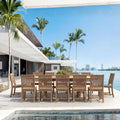
Deck Furniture That Makes Outdoor Living Feel Larger
Share
A deck can be more than a platform outside the back door. With the right deck furniture, it becomes the place where coffee lasts longer, dinner moves outdoors, and an ordinary weeknight feels a little more like a getaway. The difference is not simply buying more pieces. It is choosing seating, tables, shade, and materials that make the space feel considered, comfortable, and ready to use.
For most homeowners, the best deck is one that supports real life. It needs a place to gather, a place to stretch out, and enough visual calm that the view of the yard still feels like part of the experience. Start there, then let the size of your deck, climate, and entertaining style guide every decision.
Start With How You Want to Use the Deck
Before comparing finishes or cushion colors, decide what the deck needs to do most often. A compact deck used for family dinners needs a different plan than a wide poolside deck built for long afternoons and cocktails. Trying to make every square foot serve every purpose can leave the area feeling crowded.
Think about the moments you want to create. If you host weekend meals, make dining the priority and add a comfortable lounge chair or two nearby. If your deck is your quiet escape, deep seating and a low fire table may deserve the best location. A larger deck can hold both, but the zones should feel intentional rather than like separate furniture displays.
A helpful approach is to identify one primary use and one secondary use. For example, your primary use may be outdoor dining for six, while the secondary use is a pair of loungers for reading. This keeps the layout focused and helps you invest more confidently in the pieces that will get daily use.
Measure Before Choosing Deck Furniture
Beautiful furniture can still feel disappointing when it is undersized, oversized, or difficult to move around. Measure the usable deck area, not just the full footprint. Account for stairs, railings, doors, grills, planters, and any spots where you need a clear path.
Leave enough room to pull out dining chairs without backing into a railing. Give a sectional space to breathe rather than pressing it against every edge. Around a fire pit, plan for circulation and safe clearance based on the fire feature's instructions.
Before ordering, map out these four measurements:
- The deck's usable length and width after obstacles are removed
- The door swing and a comfortable walking path from the house
- The area needed behind dining chairs when they are pulled out
- The footprint of any gazebo, pergola, umbrella, or fire feature
Create Zones That Feel Like Rooms Outside
The most inviting decks borrow a principle from well-designed interiors: each area has a purpose. You do not need walls to create definition. A dining table naturally establishes a dining room, while an outdoor sectional and coffee table create a living room under the sky.
On a larger deck, place the dining zone closer to the house or grill for easier serving. Move lounge seating toward the best view, the pool, a garden, or the quieter end of the deck. This arrangement makes entertaining feel easier because guests can circulate without cutting through the middle of a conversation.
An outdoor rug can anchor a seating arrangement, though it should be made for exterior use and sized generously enough for the front legs of the furniture to sit on it. Planters, lanterns, and side tables add polish, but they should support the room rather than fill every open corner. Negative space is part of a luxurious deck design.
Choose Materials for Your Climate and Commitment Level
Material choice shapes both the look of your deck and the care it will require over time. There is no universal best option. The right choice depends on your weather, sun exposure, and how much maintenance you are willing to take on.
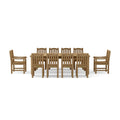
Teak is a standout choice for homeowners who want enduring natural beauty. Its dense structure and natural oils make it well suited to outdoor conditions, and it develops a distinguished silvery patina if left untreated. If you prefer teak's warm honey tone, periodic cleaning and a protectant can help maintain it. Teak dining tables, benches, and lounge chairs bring a substantial, resort-inspired presence to a deck without looking overly formal.
Powder-coated aluminum is lighter, low-maintenance, and especially practical where rain, humidity, or pool splashes are part of the setting. It works well for contemporary dining sets and modular seating because it is easy to reposition and does not demand the same seasonal care as wood. Look for quality construction and finishes designed to resist fading and corrosion.
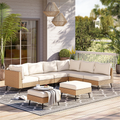
All-weather wicker offers a softer, relaxed look, especially in deep seating collections. The key is choosing high-quality synthetic wicker over a durable frame rather than treating all woven furniture as interchangeable. In intense sun, darker colors may heat up and lighter finishes may show dirt more readily. Good cushions and protective covers can make a meaningful difference.
For cushions, quick-drying foam and performance fabric are worth the investment. They help seating recover faster after a passing shower and hold their color better through bright summer months. Even weather-resistant cushions last longer when stored or covered during extended rain, snow, or the off-season.
Give Comfort the Same Attention as Style
Outdoor furniture should photograph beautifully, but it also needs to earn its place during a three-hour dinner or a slow Sunday afternoon. Sit depth, back angle, arm height, and cushion thickness all matter more than a single product image can show.
For conversation areas, deeper seating creates a relaxed, sink-in feel. It is ideal for lingering, but it may not suit every guest, especially if older family members prefer a more upright seat. A mix can work well: a deep sectional for lounging paired with occasional chairs that offer easier entry and exit.
Dining chairs should support a comfortable meal without feeling like indoor formal seating transplanted outside. If the deck gets strong afternoon sun, consider chairs with cushions, breathable sling materials, or shade overhead. Comfort is also about temperature. A beautiful dark metal chair in direct July sun may be less useful than a lighter finish beneath a pergola.
Add Shade, Shelter, and Privacy Early
Furniture alone cannot solve harsh sun, light rain, or a deck that feels exposed to neighboring homes. If shade or privacy is part of the goal, make it part of the plan from the beginning. Adding it later can force you to rearrange everything.
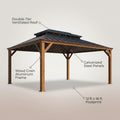
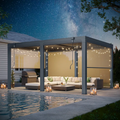
A pergola gives structure to a dining or lounge zone and can make an open deck feel like an outdoor room. Adjustable louvers offer more control over sun and airflow, while a fixed-roof structure may better suit homeowners who want dependable cover. A gazebo can create an even more sheltered destination for dining, poolside lounging, or a swing bed.
Privacy panels, outdoor curtains, tall planters, and carefully placed greenery can soften sightlines without closing off the deck. The best solution depends on local wind, sun direction, and whether you want a more open garden feeling or a tucked-away retreat. Keep airflow in mind, particularly in humid climates where a fully enclosed arrangement can feel warmer than expected.
Build a Deck That Works From Morning to Night
The finishing layer is what turns a furniture arrangement into a place people return to. Add a side table wherever someone will want to set down a drink. Use warm outdoor lighting along steps, railings, or a nearby pergola so the deck remains inviting after sunset. A fire pit or fire table can extend the season, provided it is appropriate for your deck surface and local regulations.
Do not overlook storage. A deck box can keep throws, extra cushions, and entertaining essentials protected without sending everyone back into the house. If your deck is exposed, fitted covers are a practical investment, especially for pieces that cannot be easily moved indoors.
The goal is not to furnish every inch. It is to create a destination worth lingering in, with enough comfort for everyday use and enough presence for the occasions you want to celebrate. Choose the pieces that support your favorite way to be outside, and your deck will begin to feel less like an add-on to the house and more like the room everyone chooses first.