Weather Resistant Furniture Materials That Last
Share
A beautiful patio set can look right at home on day one, then reveal its limits after one summer of direct sun, afternoon storms, or a hard winter. Choosing weather resistant furniture materials is what separates a temporary outdoor setup from a private retreat that feels ready for dinner parties, slow Sunday mornings, and every season in between.
The best material is not always the one that requires zero care. It is the one that suits your local climate, the amount of maintenance you are comfortable with, and the way you want your outdoor space to look and feel over time. A poolside lounge area in Arizona calls for different priorities than a covered porch in the Northeast or a salt-air deck along the coast.
What Makes Outdoor Furniture Weather Resistant?
Weather resistance is more than a finish applied at the factory. It comes down to how a material responds to moisture, UV exposure, temperature swings, wind, and daily use. Some materials naturally resist water and insects. Others depend on powder coating, protective sealants, or fabric technology to maintain their finish.
For a long-lasting result, look beyond the label. Check whether frames are welded or bolted, whether hardware is stainless steel, and whether cushions use quick-drying foam with solution-dyed performance fabric. These details matter as much as the material itself, especially when furniture is exposed to the elements year-round.
Weather Resistant Furniture Materials Worth Considering
Teak: The Classic Investment for Outdoor Living
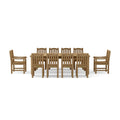
Teak has earned its reputation for good reason. Its natural oils help repel moisture, and its dense grain makes it highly resistant to warping, cracking, and insect damage. High-quality teak furniture feels substantial, looks refined, and can remain part of your backyard for decades with appropriate care.
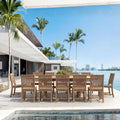
Fresh teak has a warm honey-brown tone that brings immediate richness to a dining area, garden setting, or poolside retreat. Left untreated, it gradually develops a soft silvery-gray patina. Neither look is wrong. Keeping the original color requires periodic cleaning and a teak protectant, while embracing the patina requires far less intervention.
Teak is a strong choice for humid climates, rainy regions, and homeowners who want a timeless material with genuine staying power. It is also heavier and more expensive than most alternatives. That weight is a benefit in windy locations, but it can make rearranging a large dining set more of a commitment.
Aluminum: Lightweight, Clean-Lined, and Low Maintenance
Powder-coated aluminum is one of the most practical choices for modern outdoor spaces. It does not rust, it is easy to move, and it works especially well for sectionals, dining chairs, chaises, and frames with crisp contemporary lines.
The powder-coated finish is the key detail. A quality finish creates a protective barrier that helps aluminum stand up to rain and UV exposure while offering a polished color that suits nearly any patio design. It is a natural fit for homeowners who want a tailored, resort-inspired look without the upkeep associated with natural wood.
Aluminum does have trade-offs. It can become warm in direct sun, particularly with dark finishes, and lightweight pieces may need extra consideration in open, windy yards. Look for sturdy frame construction and wider chair bases rather than assuming all aluminum furniture performs the same way.
All-Weather Wicker: Comfortable Texture Without Natural Rattan's Limits
Natural wicker and rattan have a relaxed, inviting look, but they are not built for sustained rain and intense sun. All-weather wicker solves that problem by using resin fibers woven over a metal frame, usually aluminum. The result is the texture people love with much stronger outdoor performance.
Quality all-weather wicker should feel tightly woven, consistent in color, and resistant to peeling or brittleness. High-density polyethylene, often called HDPE wicker, is generally a better long-term option than lower-grade PVC because it holds up more reliably against UV exposure and changing temperatures.
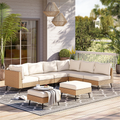
This material works beautifully for deep-seating conversation sets and curved lounge furniture. It adds softness and visual warmth without asking you to bring every piece indoors at the first forecast. Still, resin wicker is not maintenance-free. A gentle rinse, soft brush, and occasional inspection for loose strands will keep it looking polished.
Stainless Steel: Sleek Strength With a Coastal Caveat
Stainless steel brings a substantial, architectural feel to outdoor dining and lounge furniture. It pairs well with teak accents, stone surfaces, and neutral performance cushions, making it a natural choice for a more tailored patio design.
Not all stainless steel offers the same protection. In most residential settings, quality stainless steel performs very well with routine cleaning. Near the ocean, however, salt air can cause surface staining or corrosion if furniture is neglected. Homeowners in coastal locations should look for marine-grade stainless steel and plan to rinse frames regularly.
Stainless steel is durable and visually striking, but it can be heavier than aluminum and hotter in full sun. Cushions and shade structures help create a more comfortable experience during peak summer hours.
Recycled Plastic: Dependable in Rain, Snow, and Sun
Recycled plastic furniture, often associated with Adirondack chairs and casual dining styles, is a hardworking option for exposed decks, lake homes, and family gathering spaces. It will not rot, splinter, or absorb water, and it handles rain and snow with very little fuss.
Its practical appeal is clear, especially for households that want to leave furniture outside through the winter. Modern recycled plastic designs are available in more refined silhouettes and colors than many people expect, although the material usually has a more casual appearance than teak or metal.
It is also quite heavy, which is useful in windy conditions but less convenient if you frequently move furniture around for entertaining. If easy cleanup and dependable durability are at the top of your list, it deserves serious consideration.
Do Not Overlook Cushions and Fabrics
A weather-ready frame can still disappoint if the cushions hold water, fade quickly, or lose their shape. For seating that remains inviting through a long season, choose solution-dyed acrylic or another outdoor performance fabric. Because the color is integrated into the fiber rather than applied only to the surface, these fabrics offer stronger fade resistance in sunny locations.
Quick-drying foam and breathable mesh bottoms are equally valuable. They allow moisture to move through rather than linger inside the cushion after rain. That means less waiting before guests can settle in and less risk of mildew in humid weather.
Even premium cushions benefit from simple care. Stand them on their sides after a heavy rain, brush off pollen and debris, and store them in a dry, ventilated space during extended periods when you will not be using the patio.
Match the Material to Your Climate and Lifestyle
The right choice becomes clearer when you consider your setting. In hot, dry climates, UV resistance and fade-proof fabric should lead the conversation. Aluminum, teak, and high-quality HDPE wicker are excellent contenders, especially when paired with shade from a pergola or gazebo.
In rainy or humid regions, prioritize materials that shed water and cushions that dry quickly. Teak, aluminum, recycled plastic, and all-weather wicker with an aluminum frame all perform well when maintained properly. Avoid untreated steel, natural rattan, and wood furniture that is not specifically made for outdoor use.
For coastal homes, salt is often the deciding factor. Teak and recycled plastic are particularly forgiving, while aluminum and stainless steel can perform beautifully when their finishes and hardware are suited to marine conditions. Regular rinsing is a small habit that protects a significant investment.
A Few Habits That Extend Furniture Life
Even the best outdoor materials appreciate a little protection. Use breathable furniture covers during long stretches of rain, snow, or disuse, but avoid trapping moisture beneath a non-ventilated cover. Keep furniture legs out of standing water, tighten hardware at the start of each season, and clean surfaces before grime has a chance to settle in.
For wood, cleaning is usually better than aggressive sanding or pressure washing. For metal, use mild soap and water, then address chips in a painted finish before they expose the frame. These small rituals preserve the kind of finish that makes an outdoor room feel intentional rather than merely furnished.
Your backyard does not need to be delicate to feel elevated. Choose materials that meet your climate with confidence, then arrange them around the moments you want to have there: a table that stays ready for an unplanned dinner, lounge seating that invites one more conversation, and a space that makes staying outside feel like the easy choice.