Pergola Kits That Make a Backyard Feel Finished
Share
A bare patio can have beautiful pavers, comfortable seating, and a view worth enjoying, yet still feel like a pass-through rather than a place to stay. Pergola kits change that equation. They establish a destination: a defined place for long lunches, quiet coffee, poolside shade, and dinners that keep going after sunset.
The right structure does more than add architectural interest. It gives your outdoor space proportion, shade, and a sense of privacy without closing it off from the garden or sky. For homeowners ready to make the backyard feel like an extension of the home, a pergola is often the piece that brings everything else together.
What Pergola Kits Bring to an Outdoor Space
A pergola creates an overhead framework that makes an open area feel intentional. On a deck, it can visually anchor an outdoor sectional. Beside a pool, it can turn a few loungers into a true retreat. Over a dining table, it adds the feeling of an open-air room, making even a simple weeknight meal feel more considered.
Kits offer a practical path to that transformation. Rather than designing a custom structure from the ground up, you receive coordinated components sized and engineered to work together. That means less guesswork around posts, beams, hardware, and roof elements. It also makes it easier to compare styles and select a structure that fits the scale of your patio before the project begins.
The best choice depends on how you use the space. If your priority is soft, filtered light for a garden-side seating area, a classic open-slat roof may be enough. If you want dependable shade during a hot afternoon or better control when a summer shower moves in, an adjustable louvered roof is a more functional investment.
Start With the Zone You Want to Create
Before choosing a finish or roof style, decide what the pergola needs to hold. A structure should frame the activity beneath it, not simply fill an empty corner of the yard.
For dining, leave enough room to pull chairs back comfortably and allow guests to move around the table. A compact bistro setting can work under a smaller footprint, while a table for eight needs considerably more breathing room. If the pergola will cover a lounge area, account for the full depth of the sofa, coffee table, side tables, and circulation around the seating.
Height matters, too. A taller pergola can feel airy and dramatic, particularly near a pool or on a large lawn. On a smaller patio, however, an oversized structure can dominate the house and block desirable light indoors. The goal is shelter with openness - a resort addition that feels grounded in the property, not dropped onto it.
Freestanding or Attached?
A freestanding pergola is ideal when the destination sits away from the house: near the pool, at the far edge of a garden, or over a dedicated conversation area. It gives you flexibility in placement and can create a compelling focal point from inside the home.
An attached pergola works well when extending the living space directly off a patio door or kitchen. It can make outdoor dining more convenient and give a transition area between indoors and outdoors. Installation may be more involved, though, because attachment details, flashing, and the condition of the existing structure deserve careful attention. Review local requirements and consult a qualified installer when needed.
Choose a Roof Based on Real Weather
The roof is where a pergola becomes either a decorative frame or a hardworking outdoor-living structure. Be honest about the conditions in your yard. A sunny, exposed patio in Arizona has different demands than a humid Southern garden or a deck that sees frequent Northeast rain.
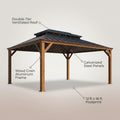
Fixed slats provide the traditional pergola look, with dappled shade and plenty of airflow. They are especially appealing where you want climbing plants, string lights, or a light architectural touch rather than full coverage. They will not, however, offer the same all-day shade or rain protection as a solid or adjustable roof.
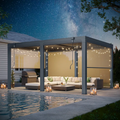
Adjustable louvers offer far more control. Open them to let heat rise and breezes move through. Angle them to block harsh afternoon sun. Close them when conditions call for more coverage. This flexibility can make the difference between using the patio only on mild days and enjoying it across more of the season.
A closed louvered roof is not automatically a substitute for a fully enclosed room. Wind-driven rain, drainage planning, and local snow-load expectations still matter. Look for thoughtful gutter systems, strong hardware, and materials designed for the climate where you live. A premium structure should feel reassuring when the forecast changes, not fragile.
Material Sets the Maintenance Level
Aluminum pergolas are a natural fit for homeowners who want a clean, contemporary look with minimal upkeep. Quality powder-coated aluminum resists rust and avoids the routine staining or sealing associated with natural wood. It is particularly practical in humid, rainy, or coastal-adjacent environments, where constant moisture can be hard on less durable materials.
Wood brings warmth and a more organic presence, especially in gardens and traditional landscapes. It can be a beautiful choice when the home already features natural materials or when you want the structure to soften into plantings over time. The trade-off is maintenance. Wood requires periodic attention to preserve its appearance and protect it from sun and moisture.
Steel can deliver substantial strength and a more industrial profile, but finish quality is essential. Whatever material you choose, focus on the details that determine how it will age: coated surfaces, concealed or corrosion-resistant hardware, sturdy post bases, and a design made for outdoor exposure.
Add Privacy Without Losing the View
A pergola defines space overhead, but side features can make it feel genuinely private. This is especially valuable in close-set neighborhoods, on exposed decks, or around pools where you want a more sheltered atmosphere.
Privacy panels, slatted screens, curtains, or outdoor drapery can all change the experience. Slatted wood or aluminum panels feel architectural and polished while allowing some airflow. Curtains add softness and can be drawn when the sun is low or neighbors are nearby. Greenery offers a gentler option, although living screens take time to establish and need ongoing care.
Placement is everything. You may only need privacy on one side where a neighboring window overlooks the patio. Enclosing every edge can reduce breezes and make the space feel smaller. Preserve the best views and direct protection where it counts.
Plan for the Details That Make People Linger
The structure is the beginning, not the finished experience. Lighting turns a pergola into an evening destination. Warm string lights create a relaxed glow, while integrated lighting can feel more tailored and useful around a dining table. If electricity is part of the plan, address it before installation rather than treating it as an afterthought.
Furniture should match the pergola's scale and purpose. A generous sectional under a narrow structure will feel crowded; a small table under a very large roof can look lost. Use an outdoor rug, planters, or a fire feature nearby to give the arrangement visual weight and a finished, welcoming rhythm.
For a project with a higher price point, delivery and assembly deserve equal consideration. Confirm access through gates, side yards, and driveways before ordering. Large pergola components require a clear delivery plan, a level installation area, and a secure foundation. Some kits are manageable for experienced homeowners, while larger louvered models are best handled by professional installers.
A Structure Worth Building Around
The most successful pergola is not chosen in isolation. It works with the home's architecture, the movement of sun across the yard, and the way your household actually gathers. A smaller, beautifully proportioned pergola with comfortable seating will always feel more inviting than an oversized structure that leaves no room for warmth or flow.
Choose the features that solve the conditions you live with most often, then furnish the space for the moments you want more of. With the right pergola kit in place, an ordinary patio can become the spot where guests naturally settle in, family dinners stretch a little later, and every evening outside feels like a getaway.