Patio Furniture That Makes Outdoor Time Better
Share
A bare patio can have plenty of square footage and still go unused. Usually, the issue is not the patio itself. It is that the space has no invitation to stay. The right patio furniture changes that equation, giving a quiet morning coffee, a family dinner, or a late-night conversation a place to happen comfortably.
The goal is not to fill every open corner with outdoor pieces. It is to create a setting that feels considered from the first glance and works just as well after the guests arrive. Think of your patio as another room in your home, with a little more sun, fresh air, and room to breathe.
Start With the Way You Want to Live Outside
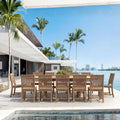
Before choosing a material or a color, decide what your outdoor space needs to do most often. A poolside patio calls for loungers, side tables, and fabrics that handle frequent splashes. A garden terrace may be better suited to deep seating and a low fire table. If your favorite evenings involve serving dinner for six, a dining set deserves the prime location.
Many backyards need more than one purpose. That does not mean every patio needs a matching dining set, sectional, loungers, and daybed. It means choosing a clear priority, then adding one complementary zone when space allows. A compact conversation set near the grill can coexist beautifully with a dining table, while an oversized sectional may be all a smaller deck needs.
Measure before you shop, including walkways, door swings, stairs, and the distance from the seating area to the house. Leave enough room for someone to pull out a dining chair or walk around a coffee table without turning sideways. Comfortable circulation is one of the details that makes an outdoor area feel generous rather than crowded.
Give Each Piece a Job
A good layout answers simple questions. Where does a drink go? Is there a comfortable place to put up your feet? Can guests sit and talk without balancing a plate on their lap? Side tables, ottomans, and a properly scaled coffee table are not afterthoughts. They make relaxed outdoor living possible.
For dining, allow roughly 36 inches behind chairs where possible. In a lounge setting, keep the coffee table close enough to reach from every seat, generally 14 to 18 inches away. These small decisions make furniture look intentional and help the space function like a destination worth lingering in.
Choose Patio Furniture Materials for Your Climate
Outdoor furniture earns its place by holding up through heat, rain, wind, and everyday use. Material choice should reflect your local conditions, not just a photo that catches your eye.
Teak is a lasting choice for homeowners who appreciate natural warmth and substantial construction. Its oils help it handle moisture, and it develops a soft silver-gray patina when left unfinished outdoors. Maintaining its original honey tone takes periodic care, while allowing it to weather requires far less attention. Either approach can be beautiful, depending on the look you prefer.
Powder-coated aluminum is a favorite for its lighter weight, clean lines, and resistance to rust. It suits contemporary patios, especially when pieces may need to move for entertaining or seasonal storage. In very windy locations, lighter furniture may need anchors or a more protected placement.
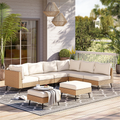
All-weather wicker offers texture and an easygoing resort feel, particularly in deep seating collections. Look for high-density synthetic wicker over a sturdy frame rather than natural wicker, which is not designed for prolonged exposure. Woven pieces pair especially well with performance cushions and an outdoor rug, softening hardscape without sacrificing durability.
Steel and wrought iron bring visual weight and traditional character, but they demand more attention in wet or coastal environments. Protective finishes matter, and even a quality frame benefits from prompt touch-ups if a coating becomes chipped. For salt-air locations, aluminum, teak, or select marine-grade materials often make the more practical long-term investment.
Cushions Matter as Much as Frames
A beautiful frame cannot make up for cushions that flatten quickly or stay damp after rain. Prioritize quick-drying foam, breathable construction, and outdoor-rated fabric designed to resist fading and mildew. Removable covers are useful for routine cleaning, especially for homes with children, pets, or frequent gatherings.
Light neutral cushions create an airy, tailored look, though they can show spills more readily. Deeper tones and patterned textiles are more forgiving and can add definition to a large sectional. There is no wrong choice, but it helps to match the fabric to the reality of how you host.
Get the Scale Right Before You Commit
The most common furnishing mistake is buying pieces that are individually appealing but collectively out of proportion. A grand sectional can overwhelm a narrow balcony. Tiny chairs can disappear beside a large gazebo or pergola. Scale is what allows furniture, architecture, and landscaping to feel like they belong together.
On a broad patio, anchor the lounge area with a sectional, a substantial sofa, or paired club chairs. A large outdoor rug can define the seating zone and bring visual cohesion to separate pieces. On a smaller deck, choose fewer, more comfortable items instead of several undersized chairs. Two deep lounge chairs with a shared table can feel more luxurious than four cramped seats.
Height also shapes the experience. Low-profile seating encourages a relaxed, contemporary mood, while dining-height tables support longer meals and easier serving. If you enjoy both, create distinct zones rather than asking one set of furniture to do everything.
Add Shade, Shelter, and Privacy Early
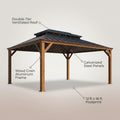
Furniture is more enjoyable when the environment supports it. If your patio gets intense afternoon sun, shade is not an accessory. It is part of the plan. An umbrella may be enough for a small dining table, while a pergola, gazebo, or covered structure makes a larger lounge area usable for more of the day and more of the year.
Shelter also changes how you select finishes and fabrics. A covered patio offers more flexibility with lighter textiles and wood accents. An exposed pool deck needs materials ready for direct sun and sudden rain. In regions with high heat, airflow is just as valuable as shade. Open-sided structures, slatted roofs, and thoughtfully placed fans can make a meaningful difference.
Privacy deserves the same consideration. Bamboo panels, screens, tall planters, and strategically placed seating can turn an open yard into a more personal retreat without making it feel closed in. The best solutions preserve sightlines where you want them and create separation where you do not.
Build a Look That Will Still Feel Right Next Season
Resort-inspired does not have to mean overly styled. Start with a restrained foundation: warm teak, charcoal aluminum, woven neutrals, or crisp white frames. Then introduce personality through pillows, planters, lanterns, and tableware. These smaller layers are easy to refresh, while the primary furniture remains an enduring investment.
For visual continuity, repeat two or three elements across the space. A black frame can echo exterior window trim. Sand-colored cushions can connect with stone pavers. Planters can pick up the tone of a teak dining table. This approach feels polished without looking overly matched.
Do not forget evening use. Soft lighting near pathways, overhead string lighting under a structure, and warm table lanterns help extend the usefulness of your furniture after sunset. Avoid harsh, overly bright fixtures that make a patio feel more like a work area than a place to unwind.
Protect the Investment Without Hiding It Away
Quality outdoor furniture is built for the outdoors, but simple care preserves its finish and comfort. Brush off debris, clean spills before they set, and wash frames according to the manufacturer’s directions. Covers are worthwhile during long stretches of severe weather or winter storage, provided furniture is clean and dry before covering it.
Cushions last longer when they can dry fully after heavy rain. If a storm season is especially wet, storing cushions in a dry deck box or indoor space is sensible. For teak, decide whether you prefer the natural weathered patina or a maintained golden finish, then follow a consistent care routine instead of reacting once the color has already changed.
At Oasis Patio Direct, the focus is on pieces that help homeowners create outdoor rooms worth using, not just patios that look finished in a photograph. Choose furniture with enough comfort for an unplanned extra hour outside, enough durability for the seasons ahead, and enough presence to make stepping into your backyard feel like a small escape.