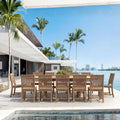
Luxury Outdoor Dining That Feels Effortless
Share
A dining table can fill a patio. Luxury outdoor dining gives the entire space a reason to be used. It is the difference between carrying plates outside on a perfect-weather evening and creating a destination where family dinners, birthday toasts, and slow Sunday lunches naturally linger.
The feeling is not built around one expensive piece. It comes from proportion, shelter, comfortable seating, and materials that continue looking considered after sun, rain, pollen, and a busy season of entertaining. When those elements work together, your backyard becomes less of a view from the house and more of an extension of it.
Start With the Way You Want to Gather
Before choosing a dining set, picture the moments the space needs to support. A couple who enjoys quiet weeknight meals needs something different from a household that hosts eight people for holiday cookouts. A poolside table may need easy-clean surfaces and open sightlines, while a garden dining area may call for a more intimate layout with privacy and shade.
Size is the first practical decision. Leave enough room for chairs to slide back without interrupting a walkway, grill zone, or door swing. As a general guide, plan for roughly three feet of clearance around the table where possible. A table that technically fits but makes guests squeeze past one another will never feel relaxed.
Shape changes the mood, too. Rectangular tables make the most of long patios and accommodate larger groups with ease. Round tables encourage conversation and soften compact spaces. If your gatherings vary, an extension table can be a thoughtful investment, offering an intimate setting on ordinary evenings and extra places when the guest list grows.
Choose Comfort Worth Lingering In
The most beautiful dining area loses its appeal if the chairs feel rigid after twenty minutes. Look for supportive backs, generous seat dimensions, and cushions made for outdoor use. Dining chairs with arms create a more leisurely, lounge-like experience, though armless designs can fit more seats around a smaller table.
Cushions add warmth and color, but they also require a little care. Performance fabrics are designed to resist fading and moisture, yet storing cushions during extended periods of rain or harsh winter weather helps preserve their shape and finish. For a lower-maintenance setting, sling or woven dining chairs can be an excellent choice, particularly near a pool.
Build Shelter Into Your Luxury Outdoor Dining Plan
Shade is not an accessory. In many backyards, it is what determines whether the dining area is usable at noon, comfortable in late afternoon, or abandoned during a light rain. A well-placed pergola, gazebo, or covered structure turns a seasonal patio into a true open-air room.
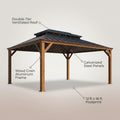
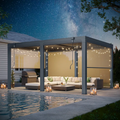
A pergola works especially well when you want architectural definition without closing off the garden or sky. Adjustable louvers offer more control over direct sun and airflow, making them a strong fit for homeowners who use their patio across changing conditions. A gazebo can provide more substantial shelter and a sense of enclosure, ideal for a freestanding dining destination at the edge of a yard or beside a pool.
Think beyond overhead coverage. Privacy panels, drapery, or planting can block an unappealing view and make guests feel settled rather than exposed. They also help create a visual backdrop for the table, so the dining zone feels intentional even when it is not in use.
There is a trade-off. More enclosure can bring more comfort and privacy, but it may reduce breezes in humid climates. If your summers run hot, prioritize airflow through open sides, adjustable roof features, and a layout that catches prevailing breezes. A ceiling fan rated for covered outdoor use can also make a dramatic difference beneath a roofed structure.
Select Materials for Real Weather, Not Just the First Season
Luxury is most convincing when it wears well. Outdoor dining furniture lives with UV exposure, temperature swings, spilled drinks, wet swimsuits, and the occasional forgotten cushion during a storm. Choose materials based on your climate and the amount of maintenance you are prepared to give them.
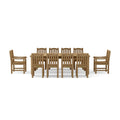
Teak remains a standout choice for homeowners who appreciate natural warmth and long-term durability. Its dense grain and natural oils help it stand up to outdoor conditions, while its substantial look gives a patio a grounded, tailored feel. Left untreated, teak gradually develops a soft silver-gray patina. Some homeowners love that weathered character; others prefer to maintain the original golden tone with regular care. Neither choice is wrong. It depends on the finish you want to see year after year.
Powder-coated aluminum is another smart option, especially for spaces that need lighter-weight furniture and a clean, modern profile. It resists rust and is easy to move when the layout changes. Look for quality construction and a durable finish, since thin frames and lesser coatings can show wear sooner in coastal or high-sun environments.
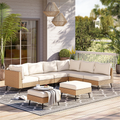
All-weather wicker brings texture and a welcoming, resort-inspired look, but quality matters. High-density resin wicker over a sturdy frame performs far better than lightweight alternatives. For tabletops, consider how the surface will live with your household. Stone and ceramic-style tops feel substantial and polished, while teak, aluminum, and high-quality composite surfaces can make daily cleanup easier.
Give the Table a Sense of Occasion
A luxury setting should feel elevated without becoming too precious to use. The best finishing touches are functional, restrained, and easy to refresh. Start with a centerpiece that does not block conversation: a low bowl, sculptural lanterns, a cluster of small planters, or a simple arrangement of seasonal branches.
Lighting deserves the same attention as furniture. Warm, layered light makes a patio inviting after sunset and helps guests move comfortably around the space. Overhead string lights can add atmosphere beneath a pergola, while lanterns and low landscape lighting define the perimeter. Avoid relying on one bright fixture alone. Dining outdoors feels more relaxed when the light has depth.
Color can connect the area to the home without making everything match exactly. Neutral cushions and natural wood create a calm foundation, while napkins, outdoor rugs, planters, and dinnerware offer an easy way to introduce color. Deep green, clay, navy, and soft sand tones tend to feel at home in the landscape and remain relevant beyond one season.
A rug can be particularly effective on a large deck, covered patio, or paved entertaining area. It visually anchors the table and makes the setting feel more furnished. Choose an outdoor-rated option, and make sure it is large enough that chairs remain on the rug when pulled back. A rug that is too small can make even premium furniture look disconnected.
Plan for the Details Guests Notice
The best hosts make comfort feel effortless because they have quietly solved the small frustrations. Keep serving surfaces close enough that you are not making repeated trips indoors. If the dining area is far from the kitchen, a console, bar cart, or buffet table can hold drinks, extra plates, and serving pieces without crowding the tabletop.
For cooler nights, position a fire pit or outdoor fireplace nearby rather than directly beside the dining table. You want warmth available after dinner, not smoke or heat competing with the meal. In warmer regions, a fan, chilled drink station, and shade that reaches the table during peak afternoon hours may matter more than a heat source.
Storage is part of the luxury equation, too. Furniture covers, a deck box for cushions, and a designated place for outdoor dinnerware reduce setup time and protect your investment. When the space is easy to prepare, you are far more likely to use it for an ordinary Tuesday dinner instead of saving it for special occasions.
Let the Space Evolve With Your Home
A polished outdoor dining area does not need to be completed all at once. Begin with the pieces that determine daily comfort: a properly scaled table, supportive chairs, and dependable shade. Add lighting, privacy, textiles, and serving pieces as you learn how the space is used.
That approach also leaves room for the backyard to become more personal over time. A new planter, a pair of lounge chairs nearby, or a fire feature for post-dinner conversation can extend the experience without forcing a complete redesign. The goal is not a patio that looks staged for one photograph. It is a private retreat that welcomes people back, season after season, and makes staying outside feel like the easy choice.