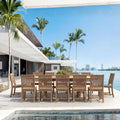
Cabana Pergola Design Ideas for a Resort Backyard
Share
A well-planned cabana pergola design does more than give a patio some shade. It creates a destination: the place where coffee lasts longer, guests naturally gather, and a bare stretch of pool deck starts to feel like a private resort retreat.
The difference is in the details. A pergola with four posts and an open roof can look beautiful, but it may not offer enough cover for a sunny afternoon or the privacy needed for true relaxation. A cabana-inspired pergola adds those layers deliberately - overhead shelter, softened side walls, comfortable seating, and a layout that gives the space a clear purpose.
Start With the Experience You Want Outside
Before choosing materials or measurements, decide what the cabana should do for your home. A poolside lounge needs a different setup than an outdoor dining room. A quiet reading corner can be more intimate than a structure designed for eight people and a weekend dinner party.
For lounging, prioritize deep seating, adjustable shade, and a view toward the pool, garden, or sunset. For dining, create enough clearance around the table for chairs to slide out comfortably and guests to move through the space without squeezing past one another. If the cabana will serve both purposes, consider a larger footprint with defined zones: a dining table beneath the most reliable cover and a conversational seating area at the open edge.
Think about how you use the backyard after dark, too. A cabana that feels inviting at 2 p.m. but disappears after sunset will not become the extension of your home it could be. Plan for warm overhead lighting, lanterns, or sconces from the start so the structure remains a destination worth lingering in after dinner.
Choose the Right Location and Orientation
Placement has more impact than almost any decorative choice. Begin by watching how sunlight moves across the patio or yard. In many US backyards, western exposure brings intense late-afternoon heat, while a structure that faces into prevailing breezes can feel noticeably more comfortable during warm months.
A poolside cabana often works best set slightly back from the water, leaving a clear circulation path for wet feet and pool activity. Near a house, a pergola can make a disconnected patio feel more intentional, especially when its roofline, finishes, or furniture colors relate to the home’s exterior.
Do not overlook sightlines. Position the structure to frame a favorite garden bed, mature tree, water feature, or pool rather than facing a fence, storage area, or neighbor’s windows. When an unavoidable view exists, privacy panels, curtains, or a planted screen can redirect the eye without making the area feel closed in.
Give the Structure Room to Breathe
A cabana should feel sheltered, not cramped. Allow open space around at least one or two sides so air can circulate and the structure feels connected to the yard. This is especially useful in humid climates, where fully enclosed walls can trap heat.
For a compact patio, a smaller pergola with one privacy wall may be more successful than an oversized structure that dominates every square foot. On a broad pool deck or lawn, a substantial freestanding design can anchor the landscape and make the outdoor area feel purpose-built.
Build Shade in Layers
The most successful cabana pergola design balances light and protection. The right roof choice depends on local weather, the structure’s orientation, and how often you want to use the space in light rain.
An open-slat pergola offers architectural definition and dappled sunlight. It is ideal where the goal is filtered shade rather than full coverage. A louvered roof offers greater control, letting you adjust for direct sun, airflow, or changing weather. A fabric canopy brings a softer, resort-inspired look, though it may need more seasonal care and should be selected for outdoor durability.
If dependable rain protection matters, look for a roof system designed to channel water away from the seating or dining area. That feature can turn a canceled cookout into an evening that continues comfortably outdoors. In regions with snow, high winds, or prolonged sun exposure, check the structure’s load and weather ratings rather than relying on appearance alone.
Side shade matters just as much as overhead cover. Outdoor curtains create an airy cabana feel and can be drawn when the sun drops low. Slatted wood or bamboo-style panels offer more permanence and visual warmth. Adjustable screens are practical for blocking glare without sacrificing the openness that makes a pergola appealing.
Make Privacy Feel Intentional, Not Closed Off
Privacy is often what changes an attractive pergola into a true retreat. Still, solid walls on every side can make a backyard structure feel heavy. The better approach is to identify the specific views, neighbors, or street exposure that need screening and address only those areas.
A single panel behind a sofa can create a strong visual backdrop while shielding the seating area. Two partial walls can form a protected corner for a daybed or pair of loungers. Sheer outdoor drapery adds softness and movement, but it works best as a complement to more reliable screening when privacy is a priority.
Plants can also do meaningful work. Tall planters with ornamental grasses, evergreen shrubs, or climbing vines soften hard lines and help the cabana settle naturally into the landscape. Leave enough distance between plants and the structure for maintenance, airflow, and healthy growth.
Select Materials That Match Your Climate and Home
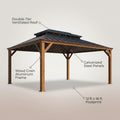
Your pergola and furnishings should look considered together, but their materials also need to work hard through every season. Aluminum offers a clean, contemporary profile and dependable resistance to rust, making it a strong choice for humid regions and pool environments. Wood brings richness and warmth, particularly in garden settings or alongside traditional architecture, but it requires appropriate care to preserve its finish.
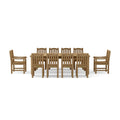
For furnishings, weather-resistant teak is an enduring option that develops character over time and pairs naturally with cabana-style spaces. Powder-coated metal frames, performance fabrics, and quick-drying cushions can also deliver the polished look of a resort lounge with less worry after rain or heavy use.
Color should support the feeling you want to create. Crisp white and sand-colored textiles feel coastal and bright. Charcoal frames with warm teak create a more tailored, contemporary setting. Earthy greens, clay tones, and textured neutrals can make a garden pergola feel grounded and calm. Keep the palette restrained, then add personality through pillows, pottery, and a patterned outdoor rug.
Furnish the Cabana for Real Life
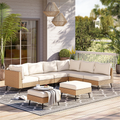
A cabana should invite people to stay, so choose furniture based on how bodies actually relax. A pair of loungers may be enough for a quiet poolside escape. For family time or hosting, a sectional with a low table encourages conversation and gives guests a place to set drinks. A swing bed makes a memorable focal point, but it needs generous clearance around it and a structure rated to support its use.
Avoid filling every corner. The most comfortable outdoor rooms have an easy path in and out, a place for towels or drinks, and enough negative space for the architecture to show. Add a side table beside each chaise or seat whenever possible. It is a small practical detail that makes the space feel immediately more hospitable.
An outdoor rug can define the lounge zone and soften stone, concrete, or decking underfoot. Choose one made for exterior use, and size it so the front legs of the main seating rest on it. For dining, a rug is optional near a pool or in areas with frequent debris, where easy cleanup may matter more.
Add the Details That Extend the Season
A ceiling fan can improve comfort under a covered cabana in hot climates, provided the structure and electrical plan support it. In cooler regions, a nearby fire pit or outdoor heater can make the space useful well into fall. Keep any heat source at the manufacturer-recommended distance from curtains, roof materials, cushions, and walls.
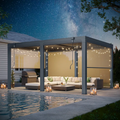
Lighting should be layered rather than harsh. Soft string lighting can add atmosphere, while a dimmable fixture over a dining table makes meals easier after sunset. Low landscape lighting around paths and steps improves safety without turning the backyard into a floodlit stage.
Plan for Installation, Drainage, and Maintenance
A beautiful design still has to perform. Confirm that the pergola can be safely anchored to the intended surface, whether that is a concrete patio, deck, or prepared ground. Large structures may require permits, HOA approval, or professional installation depending on local requirements and the design.
Pay close attention to drainage before placing outdoor cushions, rugs, or a dining set beneath the roof. Water should move away from the structure and never pool near posts or seating. If the cabana sits on a deck, consider how rainwater will pass through or around the roof system below.
Maintenance is usually manageable when materials are chosen honestly. Wash frames and panels periodically, clear leaves from roof channels, secure curtains before storms, and store or cover cushions during long periods of harsh weather. A little routine care protects the calm, polished appearance that made the space appealing in the first place.
The best cabana pergola does not need to imitate a hotel. It should reflect the way you want to live at home: unhurried mornings, spontaneous dinners, a shaded place to read, and an outdoor setting that makes an ordinary evening feel like a getaway.