Avoiding Cheap Patio Furniture Pitfalls: A 2026 Guide
Table of Contents
- The True Cost of Cheap Patio Furniture
- How to Spot Low-Quality Outdoor Furniture Before You Buy
- Best Weather-Resistant Patio Furniture Materials That Actually Endure
-
Seven Common Mistakes That Destroy Patio Furniture Value
- Ignoring Climate and Weather Conditions
- Choosing Materials Prone to Rust and Fading
- Prioritizing Looks Over Durability and Structural Integrity
- Skipping Furniture Covers and Weatherproofing
- Buying Flimsy Frames and Lightweight Construction
- Neglecting Proper Furniture Maintenance and Storage
- Ignoring Ergonomic Design and Comfort
- Patio Furniture Maintenance Tips for Longevity
- Calculating Total Cost of Ownership for Your Investment
- Frequently Asked Questions
Last Updated: October 2, 2026
The True Cost of Cheap Patio Furniture
Cheap patio furniture pitfalls often reveal themselves too late. You buy a set that looks perfect in the showroom, and for the first few months, it feels like a win. Then the first heavy rain arrives, or the summer heat intensifies, and the real problems surface: rust blooming across the frame, cushions fading to a dull gray, fasteners corroding until they won't tighten anymore.
When you calculate the actual cost of ownership, replacement cycles, repairs, and maintenance time, budget options often cost more over ten years than investing upfront in quality pieces. A $300 wicker set needing replacement every two seasons costs $1,500 over a decade.
The real cost of cheap patio furniture isn't the purchase price, it's the cumulative expense of repeated replacements and the opportunity cost of never actually enjoying a retreat that works year-round. Understanding what separates durable outdoor furniture from disposable options is the first step toward making a decision you won't regret.

How to Spot Low-Quality Outdoor Furniture Before You Buy
Frame Materials and Construction
The frame is where quality separates from compromise. Cheap frames use thin-wall aluminum or hollow steel that flexes under weight; quality frames use thicker-gauge materials with reinforced joints. Look for frames that feel solid when you push on them, minimal movement or flex indicates durability.
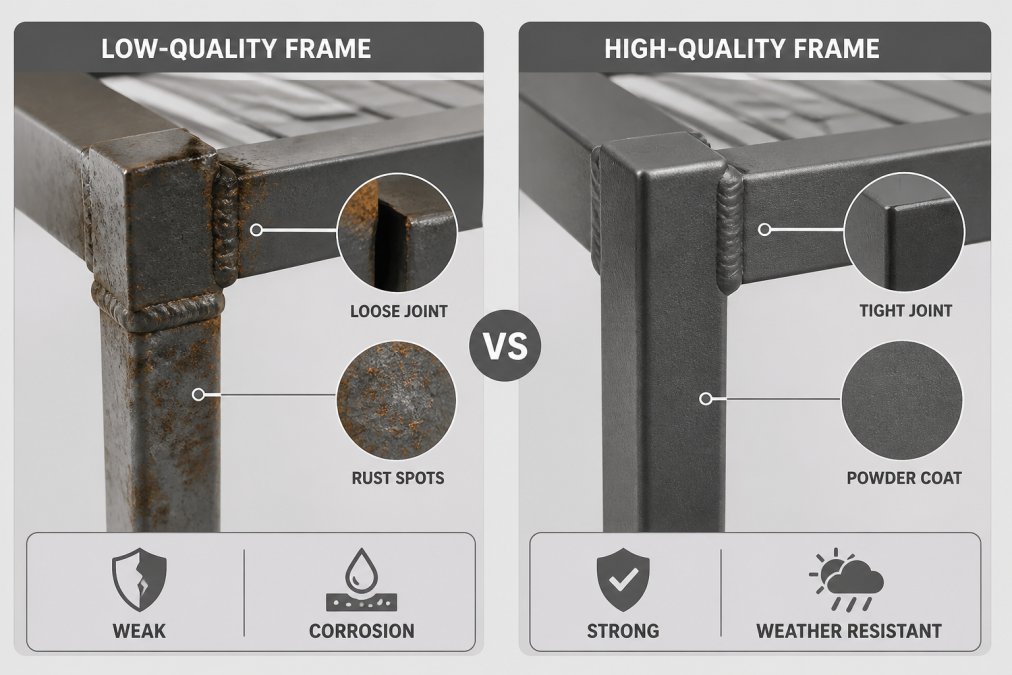
Check the welds carefully. Quality welds are continuous and smooth; poor welds look lumpy or have visible gaps. Stainless steel bolts resist corrosion far better than zinc-plated alternatives, which corrode quickly in humid or coastal environments.
Powder-coated aluminum is lighter than galvanized steel, won't rust, and maintains structural integrity across temperature swings.
Cushion and Fabric Quality
Press your hand into a cushion. If it bottoms out easily, it's low-density foam that will compress permanently within a season. Quality cushions use high-density foam that resists compression and maintains support year after year.
Solution-dyed acrylic fabrics (color dyed into the fiber itself) resist fading far better than surface-dyed alternatives. If the fabric tag doesn't mention UV protection or fade resistance, assume it will fade noticeably in direct sun within months.
Quality cushions use double-stitched seams with tight spacing. Zippers should move smoothly and be reinforced at stress points. Cheap zippers indicate the entire cushion will likely fail prematurely.
Hardware and Fasteners
Examine bolts, brackets, and connectors. Stainless steel hardware resists corrosion; zinc-plated hardware corrodes within months in wet climates. Verify lightweight aluminum hardware is anodized or coated, bare aluminum oxidizes and becomes brittle.
Bolts should be hex-head or Phillips, not proprietary fasteners. Nuts should lock securely without wobbling. If you can spin a bolt by hand after tightening, it's using a cheap nylon washer that won't hold tension long-term.
Best Weather-Resistant Patio Furniture Materials That Actually Endure
Aluminum and Powder-Coated Frames
Aluminum is the gold standard for outdoor furniture frames because it doesn't rust and handles temperature extremes without warping. Powder coating creates a hard, protective layer that resists fading, chipping, and corrosion far better than paint or anodizing alone.
Look for frames described as "powder-coated aluminum" with thicker-wall tubing (typically 1.5mm or 2mm) that resists denting and flexing. The powder coat should be thick enough that you can't easily scratch it with a fingernail.
Aluminum frames are lighter than steel and won't become uncomfortably hot in direct sun like steel or iron can. For most climates, aluminum is the smart choice for longevity.
High-Density Polyethylene and All-Weather Wicker
High-density polyethylene (HDPE) wicker resists moisture, UV rays, and temperature swings. Unlike natural wicker, which rots and splinters, HDPE wicker maintains its appearance and structural integrity across years of outdoor exposure.
Quality HDPE wicker is woven tightly over a sturdy frame. The weave should feel dense and uniform; loose weaving indicates inferior construction. All-weather wicker is ideal for humid or rainy climates.
HDPE wicker requires minimal upkeep beyond occasional cleaning and won't splinter, crack, or absorb water, making it practical for families or high-traffic outdoor spaces.
Solution-Dyed Acrylic and UV-Resistant Fabrics
Solution-dyed acrylic is woven from fibers colored before weaving, making the color integral to the material. Solution-dyed fabrics maintain color vibrancy for years under intense sun, while surface-dyed alternatives fade noticeably within months.
UV-resistant fabrics include additives that block ultraviolet light. Labels should explicitly state "UV-resistant" or "fade-resistant." Acrylic blends offer good durability and quick-drying properties, which matters in humid climates where moisture can promote mildew.
Heavier fabrics (measured in ounces per yard) resist abrasion and last longer than lightweight alternatives.
Seven Common Mistakes That Destroy Patio Furniture Value
Ignoring Climate and Weather Conditions
The biggest mistake homeowners make is buying furniture designed for one climate and using it in another. A wicker set that works in Arizona's dry heat will absorb moisture and develop mildew in the humid Southeast.
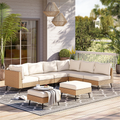
8 Pieces Outdoor Furniture Set, Patio Rattan Wicker Sectionals with 6 Chairs →
Before buying, assess your climate: intense sun, high humidity, freeze-thaw cycles, salt air, or heavy rain. Powder-coated aluminum handles all climates well. HDPE wicker excels in humidity.
Ask the retailer about climate suitability and verify claims with product documentation. Actual material specifications tell you what will endure in your specific conditions.
Choosing Materials Prone to Rust and Fading
Bare steel rusts within weeks of exposure to moisture. If you're drawn to wrought iron or steel, verify it's been galvanized or powder-coated. Without protection, you're buying a maintenance liability.
Fading happens fastest with surface-dyed fabrics in direct sun. Solution-dyed acrylic and UV-resistant fabrics cost more upfront but maintain appearance for years. The difference becomes obvious by summer's end.
Natural wood finishes require reapplication every season or two. Without regular maintenance, these materials gray, crack, and eventually rot.
Prioritizing Looks Over Durability and Structural Integrity
A set that photographs beautifully but uses thin frames and low-density cushions will disappoint you within a year. Structural integrity, the ability to support weight and resist flexing, is invisible in product photos but essential for long-term satisfaction.
Test furniture in person if possible. Sit on chairs and push on frames. Check for wobbling or flex. A seemingly solid-looking set might flex noticeably when you sit down, a sign that the frame will fatigue and fail within a few seasons.
A cushion that's 4 inches thick will compress to unusable thinness within months.
Skipping Furniture Covers and Weatherproofing
Protective covers are the cheapest insurance against premature deterioration. A $50 cover can extend the life of a $500 set by years.
Buying Flimsy Frames and Lightweight Construction
A frame that weighs almost nothing usually won't last. Quality outdoor furniture has substantial weight because it uses thicker materials. Lightweight frames often use thin-wall tubing that flexes under load and fails under stress.
Neglecting Proper Furniture Maintenance and Storage
Even quality furniture requires basic maintenance. Regular cleaning removes dirt and debris. Seasonal inspection catches small problems before they become major failures. Hardware should be checked and tightened periodically.
Ignoring Ergonomic Design and Comfort
Cheap furniture often prioritizes cost over comfort. Seats might be too shallow, backrests too upright, or cushions too thin. Ergonomic design determines whether you'll actually use your outdoor space.
Patio Furniture Maintenance Tips for Longevity
Seasonal Cleaning and Inspection
Spring and fall are ideal times for thorough cleaning and inspection. Rinse cushions and fabric with a hose, using mild soap for stubborn dirt. Inspect frames for loose fasteners, cracks, or corrosion.
Protective Covers and Storage Strategy
Invest in quality covers that fit properly and allow air circulation. Look for covers with ventilation or breathable materials that prevent moisture buildup while blocking UV rays and rain.
Hardware Maintenance and Sealant Reapplication
Stainless steel hardware requires minimal maintenance beyond occasional cleaning. Zinc-plated hardware should be inspected regularly for signs of corrosion and cleaned with a wire brush if needed.
Calculating Total Cost of Ownership for Your Investment
True cost of ownership extends far beyond the purchase price. Calculate the real expense by considering lifespan, maintenance costs, and replacement frequency.
| Furniture Type | Budget Option Cost | Quality Option Cost | Budget Lifespan | Quality Lifespan | 10-Year Total Cost |
|---|---|---|---|---|---|
| Wicker Set | $300 | $1,200 | 2 years | 10+ years | $1,500 vs. $1,200 |
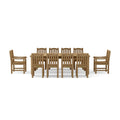
| Dining Set | $400 | $2,968 | 3 years | 12+ years | $1,333 vs. $2,470 |
| Sectional | $800 | $5,144 | 3 years | 15+ years | $2,667 vs. $3,429 |
Frequently Asked Questions
What materials should I avoid when buying outdoor furniture?
Avoid untreated wood, standard steel without rust protection, and low-grade plastics that crack under UV exposure. Steer clear of furniture with thin-walled aluminum frames, non-solution-dyed fabrics, and cushions with low-density foam that absorbs moisture. Look instead for powder-coated aluminum, high-density polyethylene wicker, stainless steel hardware, and solution-dyed acrylic upholstery that resist fading and corrosion.
How can you tell if patio furniture is high quality?
Check the frame weight and material, powder-coated aluminum and wrought iron provide structural integrity without rusting. Examine cushion density; quality outdoor pieces use high-density foam that resists moisture absorption. Look for stainless steel fasteners, and UV-resistant, solution-dyed fabric. Test stability by applying pressure; cheap furniture feels flimsy. Quality manufacturers provide weight capacity ratings and warranty details.
Is it worth spending more on outdoor furniture?
Yes, when you calculate total cost of ownership. A modular sectional set with galvanized steel framing and UV-resistant cushions may last with proper maintenance, while a $400 set often deteriorates within 2-3 years, forcing replacement. Premium pieces resist fading, rust, and structural failure, reducing maintenance costs and replacement frequency. Higher upfront investment typically saves money and frustration over the furniture's lifetime.
How do I protect my patio furniture from weather damage?
Use furniture covers during off-season storage and heavy rain to prevent moisture absorption and UV damage. Clean cushions monthly with mild soap and water, and store them indoors during winter in cold climates. Apply protective sealants to wood annually and inspect stainless steel hardware for corrosion. Position furniture away from direct afternoon sun when possible. Elevate pieces on adjustable feet to prevent water pooling underneath, which accelerates rust and frame degradation.